
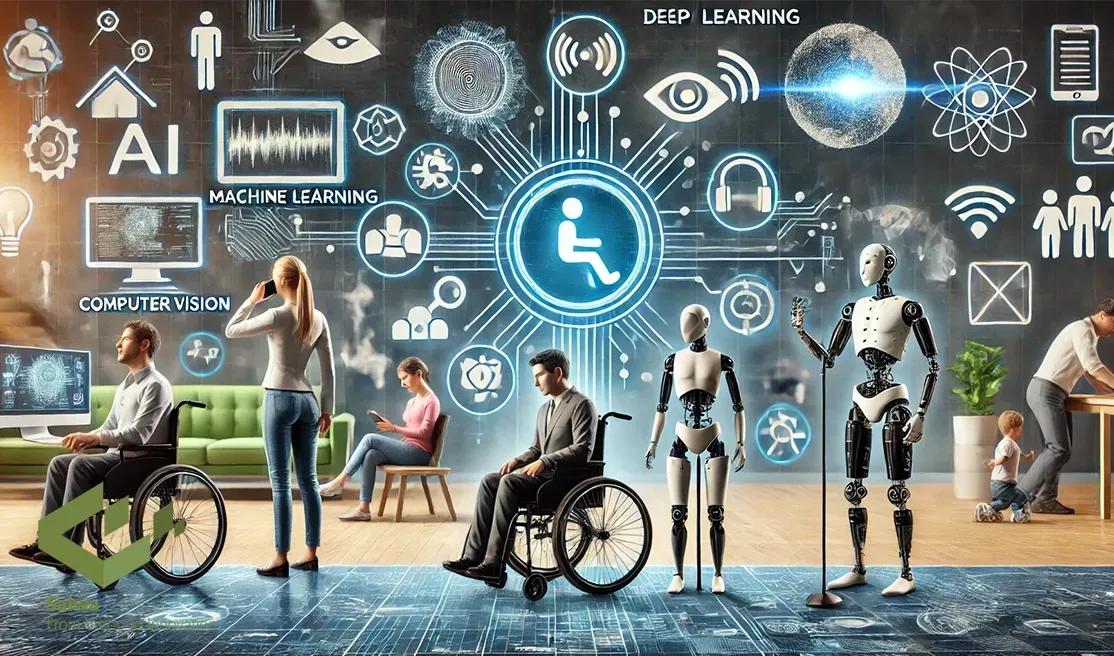
how AI Empowers Students with Disabilities: Transforming Learning and Accessibility
In today’s rapidly advancing digital landscape, Artificial Intelligence (AI) stands out as a game-changer in the field of education, especially for students with disabilities. With its ability to personalize learning, adapt resources, and break down accessibility barriers, AI is opening up unprecedented opportunities for inclusivity and equity in classrooms worldwide. In this article,we’ll explore how AI empowers students with disabilities,key benefits,practical applications,and inspiring real-world success stories,along with tips for implementing AI tools in educational settings.
Understanding the Challenges Faced by Students with Disabilities
Students with disabilities often face unique challenges in traditional and digital classrooms, such as:
- Difficulty accessing standard learning materials
- Communication barriers with teachers and peers
- A lack of personalized support tailored to individual needs
- Physical barriers in both physical and digital environments
AI-driven solutions are effectively addressing these issues, making learning more accessible and equitable for everyone.
The Role of AI in Special Education
AI in education fosters inclusion by:
- Providing assistive technologies for students with physical, cognitive, or sensory disabilities
- Automating tasks to reduce administrative burdens on educators
- Facilitating personalized learning experiences based on individual strengths, weaknesses, and preferences
- Enabling real-time communication, translation, and text-to-speech for diverse learners
Key AI Technologies Transforming Accessibility
- Speech Recognition Software: Helps students with mobility challenges or learning disabilities to interact with devices hands-free.
- Text-to-Speech & Speech-to-Text: Converts written text to spoken words, aiding students with visual impairments or dyslexia, and vice versa.
- AI-powered Translators: Break down language barriers for students who are deaf or hard of hearing with real-time captioning/subtitling.
- Predictive Text & Writing Support: Tools like Grammarly or Microsoft editor assist students with written expression difficulties.
- Image Recognition: Empowers visually impaired students to interpret images and visual content.
Top Benefits of AI for Students with Disabilities
The integration of AI in education brings forth numerous advantages for students with disabilities:
- Enhanced Accessibility: AI tools translate material into multiple formats (audio, visual, braille), ensuring everyone can access content in a way that works for them.
- Personalized Learning: Adaptive learning platforms analyze student progress and tailor lessons to individual needs and learning styles.
- Increased Engagement: Interactive AI tutors and gamified apps make learning more motivating and enjoyable.
- Greater Independence: Assistive tech fosters self-reliance, enabling students to learn and communicate on their own terms.
- Real-time Support: On-demand AI-powered tools offer instant feedback and help, bridging gaps between classroom support and independent study.
Practical Example: Personalized Learning for Dyslexic Students
Adaptive reading platforms like Lexplore use AI-powered eye-tracking to assess reading abilities and recommend tailored reading programs, supporting students with dyslexia at every step of their literacy journey.
Inspiring Case Studies: AI in Action
1. AI-Powered Captioning for Hearing-Impaired Students
At Arizona State University, AI-driven captioning tools were integrated into lecture halls.Real-time captions on student devices made lectures accessible to students who are deaf or hard of hearing, improving comprehension, participation, and academic performance.
2. Smart Assistive Tech in K-12 Classrooms
Schools in the UK have successfully implemented AI-based reading assistants for students with learning disabilities. These tools provide personalized, on-the-spot reading guidance, increased engagement, and measurable betterment in literacy outcomes.
3. AI for Visual Impairment Support
Microsoft’s Seeing AI app leverages computer vision and natural language processing to describe people, text, and objects to visually impaired users. Used in classrooms, it helps students independently access visual details and actively participate in lessons.
Firsthand Experience: The Impact of AI on students’ Lives
“Using dictation and AI-powered grammar tools transformed how I write essays, making me more confident in sharing my ideas. I no longer feel left behind.”
— Jordan, high school student with dyslexia
“The real-time captioning solution gives me access to every word my professor says. It’s changed my experience at university.”
— Sara, college student with a hearing impairment
Practical Tips: Integrating AI Accessibility Tools in Education
- Assess Student Needs: Collaborate with students and specialists to identify the most valuable AI tools for specific disabilities.
- Involve Teachers: Provide training and resources so staff can effectively utilize AI-powered technologies in the classroom.
- Ensure device Compatibility: Select AI tools that work across multiple devices and are compatible with assistive software.
- prioritize Data privacy: Choose reputable platforms with robust privacy policies to safeguard student information.
- Start Small: Pilot AI solutions with a small group before large-scale adoption, collecting feedback and making adjustments as needed.
Best AI Tools Supporting Students with Disabilities
| Tool | Primary Function | Disability Supported |
|---|---|---|
| Microsoft Immersive Reader | Text-to-speech, language translation, visual formatting | Dyslexia, ADHD, vision impairments |
| Kurzweil 3000 | Reading, writing, study skills | Learning disabilities |
| TalkBack | Screen reader | Visual impairments |
| Otter.ai | Real-time transcription | Hearing impairments |
| lexplore | AI-based reading assessment | Dyslexia, general reading difficulties |
The Future of AI in Accessibility and Inclusive Education
As AI technologies evolve, so does their potential to make education more inclusive for all. Future developments could include:
- Smarter, more intuitive AI tutors capable of recognizing and adjusting to complex learner needs
- Greater integration with mainstream classroom tools for seamless inclusion
- AI-driven analytics to inform educators about effective individualized strategies
- More robust privacy and ethical safeguards for vulnerable learners
Advocates, teachers, and families are optimistic that ongoing collaboration between technologists and educators will continue to drive innovation and accessibility.
Conclusion: Empowering Every Learner Through AI
Artificial Intelligence is fundamentally reshaping education for students with disabilities by transforming accessibility, personalizing instruction, and fostering independence. With the thoughtful integration of AI-driven educational tools and assistive technologies, schools and universities can provide equal opportunities for all students to succeed. The future holds even greater possibilities as AI platforms mature and become more intuitive—truly empowering every learner, regardless of ability. As we move forward, embracing these innovations ensures a more accessible, equitable, and inspiring educational experience for everyone.
Want to learn more? Stay up-to-date with the latest AI in education breakthroughs by following our blog.