
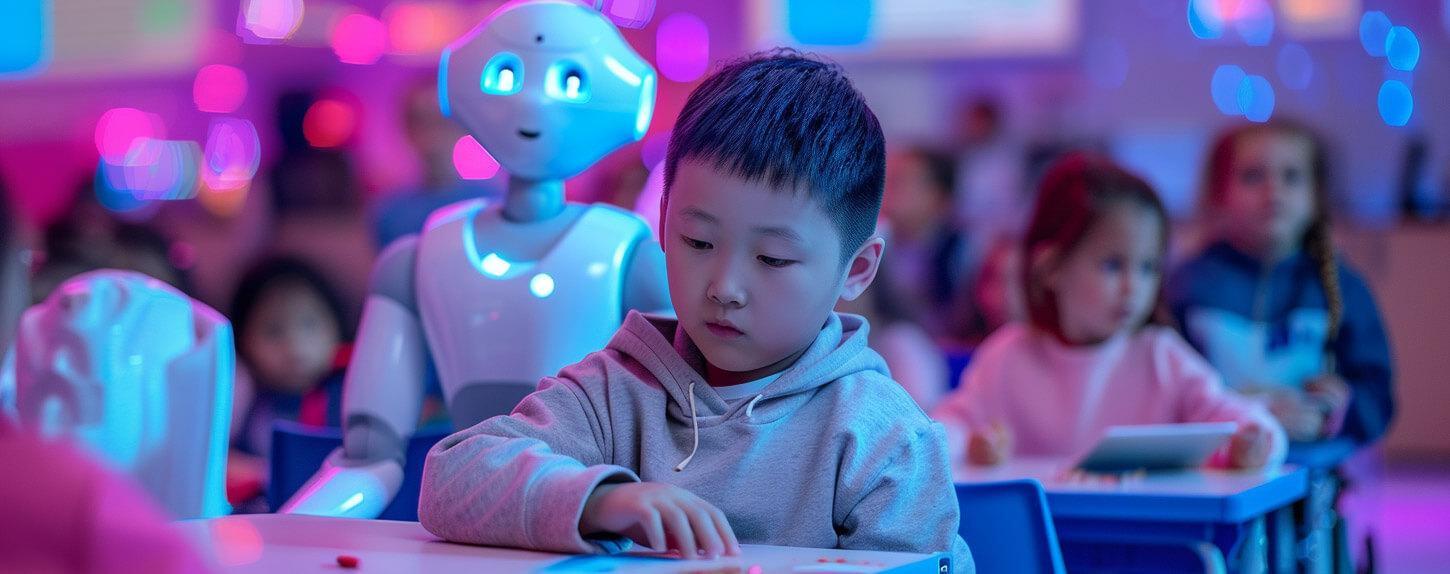
How AI Empowers students with Disabilities: Transforming Support and Accessibility in Education
Innovative technologies are rapidly reshaping accessible learning. Discover how Artificial Intelligence (AI) is transforming support and accessibility for students with disabilities and paving the way for truly inclusive education.
Introduction: AI and Educational Accessibility
The integration of AI in education has opened unprecedented opportunities for students living with disabilities. Conventional learning environments frequently enough struggle to accommodate diverse needs,but today’s AI-powered tools and assistive technologies are rewriting the story. From personalized learning supports to real-time accessibility aids, Artificial Intelligence is at the forefront of building inclusive classrooms where students with disabilities can thrive.
The Challenges: Barriers Faced by Students with Disabilities
Students with disabilities often encounter unique challenges in mainstream educational settings, including:
- Limited access to course materials in appropriate formats
- Difficulty with reading, writing, or communication
- Lack of timely personalized support
- Physical barriers within learning environments
- Social isolation and exclusion
Accessible education is not just an ethical obligation—it’s the foundation for all learners to achieve their full potential.this is where AI-driven accessibility and support solutions make a vital difference.
how AI Empowers Students with Disabilities
AI-powered educational technologies can address barriers head-on, offering practical and transformative solutions. Here’s how AI is making a difference:
1. Personalized Learning Support
- Adaptive learning platforms adjust content difficulty and format based on student responses, ensuring all learners remain engaged and challenged.
- Real-time feedback helps students track progress, while AI-driven tutoring can provide tailored guidance for specific concepts.
- Speech-to-text and text-to-speech technologies convert spoken words to text and vice versa,assisting those with reading or writing difficulties.
2. Enhancing Communication and Social Inclusion
- AI-powered communication apps and augmentative communication devices (AAC) give a voice to students with speech impairments or non-verbal learners.
- Natural Language Processing (NLP) tools help students understand and produce written and spoken language more effectively.
- Real-time language translation supports students from diverse linguistic backgrounds, bridging communication gaps in inclusive classrooms.
3. Improved Accessibility of Educational Materials
- Automatic captioning and transcription of lectures, videos, and live sessions help deaf and hard-of-hearing students participate fully in class activities.
- AI-driven image recognition and screen readers make digital content accessible for students with visual impairments.
- Document conversion tools powered by AI transform textbooks and handouts into accessible formats such as Braille or audio.
4.Early Intervention and Assessment
- Predictive analytics identify students who may need additional support based on learning analytics and engagement data.
- AI can aid teachers in developing Individualized Education Plans (IEPs) by providing insights drawn from student performance and progress.
Benefits of AI for Students with Disabilities
- Increased independence and confidence—Students can access learning and communicate needs without relying solely on others.
- Equity in the classroom—AI removes barriers, ensuring all students can participate in lessons and activities.
- More engaging learning experiences—Interactive, personalized tools keep students motivated and involved.
- Improved educational outcomes—Greater accessibility leads to better academic performance and social inclusion.
- Empowered teachers and parents—Teachers gain actionable insights, allowing for better-targeted support; parents see improved progress and communication.
Real-life Examples and Success Stories
Case Study 1: AI Speech Recognition for Dyslexic Students
in several US school districts, AI-powered speech recognition and dictation tools have enabled students with dyslexia to complete writing assignments independently, improving both their confidence and academic performance.Teachers report that such students show increased participation in class discussions.
Case Study 2: AI Captioning in Mainstream Classrooms
A university in the UK uses real-time AI-generated captions for all live lectures. Deaf and hard-of-hearing students benefit from immediate access to spoken content,while non-disabled peers use captions to reinforce learning,highlighting how AI-driven accessibility advantages everyone.
First-Hand Experience: Inclusive Robotics
“Before using AI-powered educational robots, group projects felt isolating for me,” says Jaya, a high school student with cerebral palsy. “Now, I can program the robot and participate fully. My classmates see what I can do, not just my disability.”
Practical Tips for Implementing AI in Accessible Education
- Choose AI tools with accessibility in mind: Ensure products comply with established web accessibility standards, like WCAG.
- Provide training for staff and students: Effective use of AI tools requires understanding their capabilities and limitations.
- Foster collaboration: Involve students, families, special education staff, and IT specialists in selecting and evaluating AI solutions.
- Monitor and evaluate outcomes: Use data from AI analytics to track student progress and adjust support as needed.
- Stay informed about privacy and ethics: Ensure that student data is handled securely and ethically.
The Future: AI and the Path Toward Inclusive Education
As AI in education continues to evolve, its capacity to democratize learning will only grow. Future advancements, such as emotionally clever AI tutors, immersive mixed-reality environments, and even more elegant personalized support systems, promise an education system where accessibility for students with disabilities is not an afterthought, but a core feature.
Ongoing collaboration between educators, technologists, and the disability community will be essential to ensure that new solutions are effective, ethical, and truly inclusive.
Conclusion: AI as a Catalyst for Educational Equity
Artificial Intelligence is reshaping the educational landscape for students with disabilities, breaking down barriers to communication, access, and participation. By embracing AI in education, educators and policymakers can ensure that no student is left behind, paving the way for more inclusive, equitable, and empowering learning environments.
With thoughtful implementation and ongoing innovation, AI can fulfill the promise of accessibility in education—fostering not just academic achievement, but lifelong independence and success for all learners.