
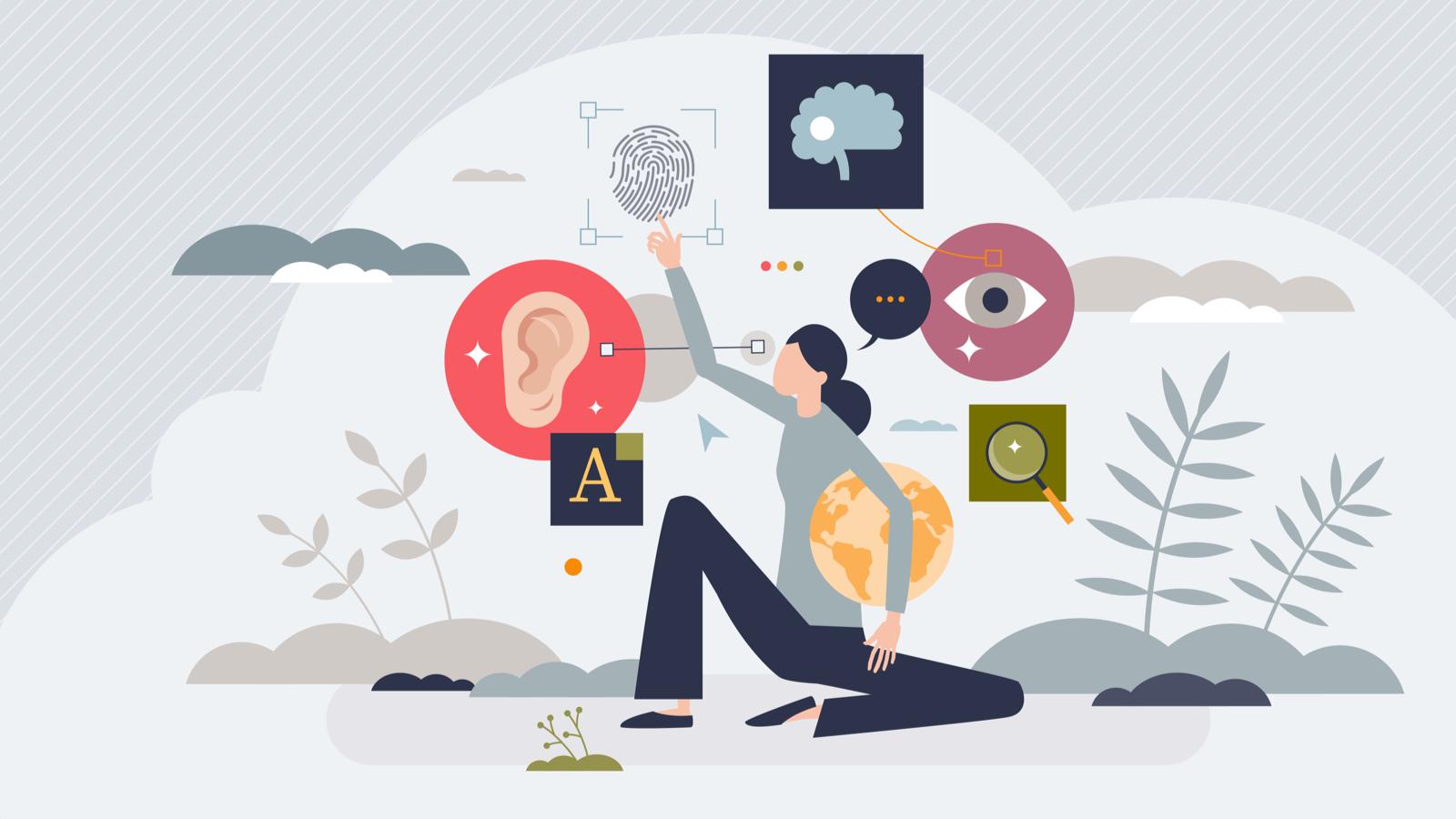
How AI Empowers Students with disabilities: Transforming Support and Accessibility
Unlocking new possibilities in inclusive education through artificial intelligence
Introduction: AI’s Game-Changing Role in Inclusive Education
Today, technology is revolutionizing education — and artificial intelligence (AI) stands at the forefront of this conversion. For students with disabilities, accessibility and tailored learning support are not just helpful; they are essential for educational equity. AI is rapidly reshaping how we approach accessible education, not only by providing essential tools but also by fostering independence and confidence in learners with diverse needs.
in this thorough article, we’ll explore how AI is empowering students with disabilities, the benefits and practical tips for implementing AI-driven educational technologies, and share real-world experiences of AI transforming support and accessibility.
How AI Supports Students with Disabilities
AI-powered tools and applications are opening up opportunities in education for students with disabilities — ranging from physical, auditory, and visual impairments to learning differences like dyslexia and ADHD. Here’s how AI is breaking down barriers:
- Personalized learning: Adaptive AI algorithms can tailor content, pacing, and feedback to match each student’s abilities and learning style.
- Augmented interaction: AI-driven speech recognition and text-to-speech (TTS) make communication accessible, especially for those with speech, hearing, or language impairments.
- Accessible content: AI automatically generates captions, audio descriptions, and translations, making educational materials more inclusive.
- Assistive technology integration: AI seamlessly connects with braille displays, screen readers, and other assistive devices.
- real-time feedback: Bright tutoring systems provide instant guidance, which is especially valuable for students who need extra support.
Key Benefits: AI in Accessible Education
Leveraging artificial intelligence in special education offers transformative benefits for students, educators, and institutions:
1. Enhanced Accessibility
AI-driven tools can convert text to speech, generate subtitles, describe images, and even provide interactive learning experiences via voice assistants. These features make educational content accessible to students with visual, auditory, or motor disabilities.
2. Personalized Support
No two students learn the same way. AI enables customized lesson plans and adaptive assessments. For example, a student with dyslexia can receive text that’s reformatted for easier readability and benefit from instant audio support.
3. Promoting Independence
By reducing reliance on human aides and offering on-demand support, AI empowers students to work independently, boosting confidence and digital literacy.
4. Data-Driven Insights for Educators
AI analytics track student progress, identifying strengths and areas that require attention. Teachers can intervene earlier and refine instruction based on actionable insights.
5. Inclusive Classrooms
With accessible digital tools, classrooms become more welcoming to all learners, fostering a culture of inclusion and respect for diversity.
Popular AI Tools Empowering Students with Disabilities
- Microsoft Immersive reader: Offers text-to-speech, picture dictionary, and translation features.Ideal for students with dyslexia or visual impairments.
- Voiceitt: Helps people with speech disabilities communicate clearly by translating non-standard speech into text or synthesized speech.
- ClaroRead & Kurzweil 3000: Convert written content into spoken words, support organizational skills, and offer dictation and highlighting tools.
- Seeing AI: A free Microsoft app that narrates the world for visually impaired users. It can describe objects, people, and read documents.
- Google Lookout: Uses AI to provide auditory descriptions of objects, text, and environments for users with low vision.
- EquatIO: Makes digital math accessible to students with learning disabilities and visual impairments by reading math aloud and providing voice input.
The continual emergence of new AI applications and updates ensures that education keeps pace with the evolving needs of students with disabilities.
real-World Case Studies: AI in Accessible Education
Case Study 1: AI-powered Reading for Dyslexic Students
At Oakwood Elementary, educators introduced AI reading tools like Immersive Reader in classrooms with a high prevalence of dyslexia. Teachers reported:
- Increased reading confidence among students
- Improved comprehension scores over two semesters
- Positive engagement from both students and parents
case Study 2: Speech Accessibility in Higher education
Sarah, a college student with cerebral palsy, uses Voiceitt on her tablet to communicate during classes and discussions. Thanks to AI-powered voice recognition, Sarah is able to participate fully and independently, eliminating the need for an in-class translator.
Case Study 3: Visually Impaired Learners in STEM
A group of high school students with visual impairments leveraged EquatIO and Seeing AI for science and math lessons. Teachers observed:
- Enhanced understanding of complex mathematical concepts
- Greater participation in group activities
- Higher test scores across STEM subjects
practical Tips for Educators and Parents
Maximizing the benefits of AI accessibility tools requires thoughtful implementation. Here’s how to make the most out of AI in your classroom or at home:
- Assess individual needs: Collaborate with students and specialists to choose AI tools that address specific challenges.
- Prioritize privacy and security: ensure that the chosen technology complies with data protection laws and respects student privacy.
- Provide ongoing training: Equip staff, students, and families with guidance on using new technologies confidently and safely.
- Encourage feedback: Collect input from students with disabilities to continuously improve technology integration.
- Stay updated: The AI landscape evolves rapidly. Regularly review new software and updates to deliver the best support possible.
Frist-Hand Experience: Empowerment Through AI
“Before I started using Screen Reader and text-to-speech tools, I struggled to keep up in class. Now, I can read and research at my own pace—and I don’t feel left out anymore.”
— David, high school student with visual impairment
Testimonials like David’s highlight the profound impact of AI-powered assistive technology on learners’ independence, inclusion, and academic achievement.
Challenges and Considerations for the Future
While AI has tremendously improved accessibility in education for students with disabilities, ongoing challenges persist:
- High costs of advanced AI solutions
- Digital divide and access to reliable internet or devices
- Need for continuous updates and user training
- Ensuring content diversity and cultural sensitivity in AI models
- Potential overreliance on AI over human support and connection
Bridging these gaps calls for collective action from educators, technologists, school administrators, and policymakers to guarantee equitable access to AI-enabled education.
Conclusion: Shaping a More Inclusive Future with AI
Artificial intelligence is more than just an innovation; it’s a transformative force for leveling the educational playing field. For students with disabilities, AI empowers, enables, and amplifies their right to learn, participate, and achieve.
As we continue to champion AI accessibility tools in education, schools and communities must commit to thoughtful integration, continuous improvement, and inclusive practices. Together, we can ensure that no learner is left behind, and that the future of education shines brightly for all.