
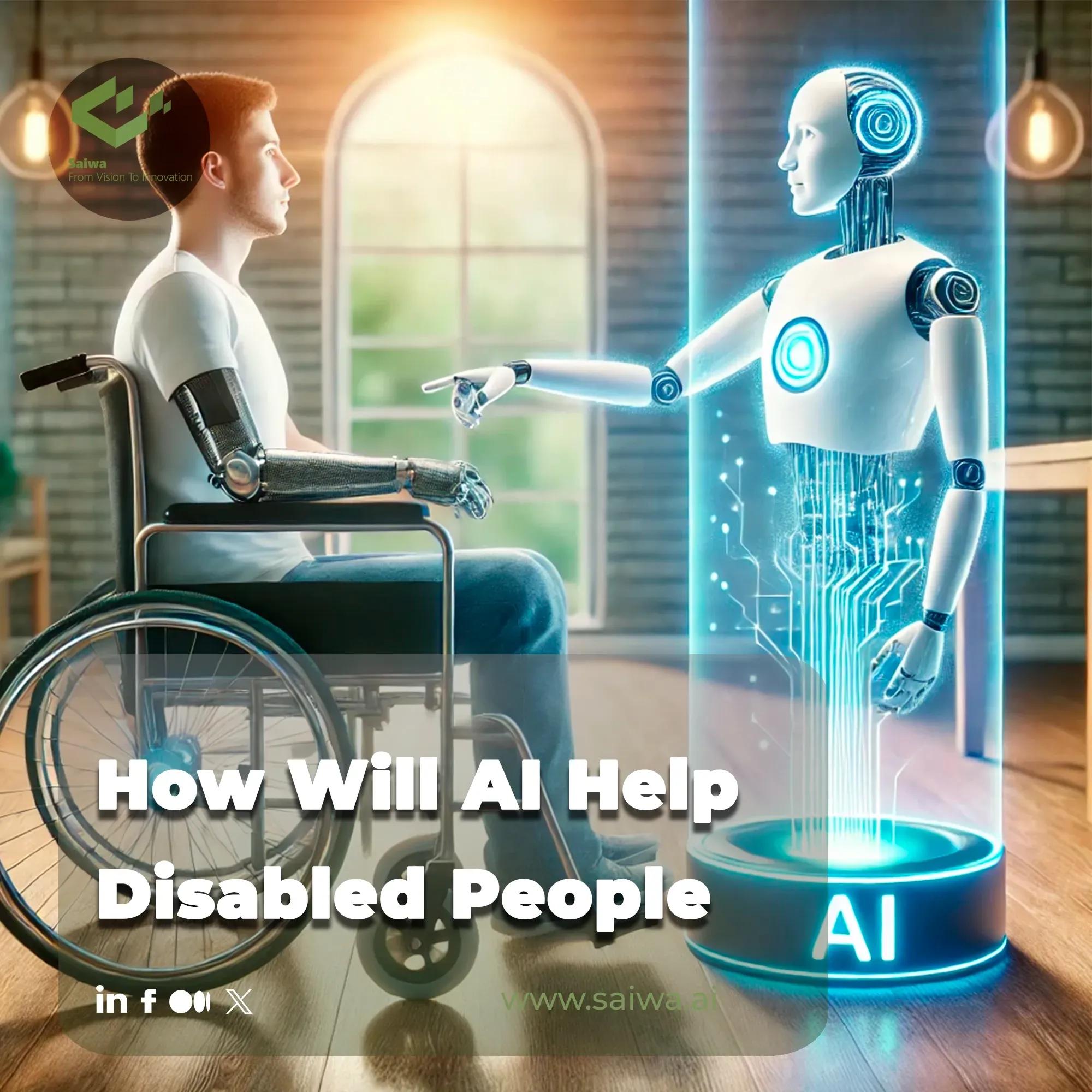
How AI Empowers Students with Disabilities: transforming Support and Inclusion
Artificial intelligence (AI) is rapidly reshaping education, breaking barriers for students with disabilities and paving the way for a more inclusive, supportive, and personalized learning habitat. From real-time text-to-speech conversion to customized learning materials, AI tools are revolutionizing both special education and mainstream classrooms. In this article, we’ll explore how AI empowers students with disabilities, examine real-world case studies, and provide practical tips for leveraging AI to drive educational inclusion.
The importance of Inclusion for Students with Disabilities
Inclusion is more than a buzzword—it’s a fundamental human right and a crucial component of educational equality. Worldwide, millions of students face learning, sensory, or physical challenges. Inclusive education means providing these learners access to high-quality teaching and suitable accommodations. However, traditional tools often fall short. Here’s where artificial intelligence in education comes in, offering customizable, scalable, and innovative solutions tailored to individual needs.
How AI Empowers Students with Disabilities: Key Benefits
AI is unlocking new possibilities in education. Let’s look at some of the primary benefits of AI for students with disabilities:
- Personalized Learning Paths: Adaptive AI-powered platforms analyze each student’s strengths, challenges, and learning pace to create tailored study plans.
- Assistive Technology Integration: AI enhances traditional assistive devices, such as screen readers, speech-to-text, or text-to-speech software, for greater accuracy and usability.
- Real-Time Language Translation: Students who are deaf or hard of hearing benefit from AI-driven captioning tools and sign language recognition for classroom discussions and online lessons.
- Visual and Auditory Aids: AI transforms written content into accessible formats—audio, braille, or simplified visual layouts—for students with visual impairments or dyslexia.
- Emotional and Behavioral Support: Machine learning models can detect signs of stress, frustration, or disengagement, alerting educators and caregivers to intervene proactively.
- Enhanced Communication Tools: AI-powered communication devices let non-verbal students express themselves through voice synthesis, predictive text, or symbol boards.
AI tools Transforming Support for Students with Disabilities
Here’s a closer look at several AI-driven tools revolutionizing inclusive education:
1.Microsoft Immersive Reader
Widely used in schools, Immersive Reader leverages AI to help students with dyslexia, ADHD, and other learning disabilities. It reads text aloud,changes font sizes,and highlights grammar structures,making reading more accessible and engaging.
2. Google Lookout and Seeing AI
These mobile apps use advanced AI to describe photos, objects, and environments in real time, offering crucial support to blind or visually impaired students both inside and outside the classroom.
3. Real-Time Speech-to-Text & Captioning Tools
AI technologies such as Otter.ai and Google Live Caption instantly transcribe spoken words during lectures, enabling hard-of-hearing students to follow along without delays.
4. AI-Powered Augmentative and Option Communication (AAC) Devices
Devices like Tobii Dynavox harness AI for predictive texting and intuitive communication interfaces, empowering non-verbal students to participate in classroom dialog.
Case Studies: Real-Life success Stories
To truly understand how AI empowers students with disabilities, let’s highlight real-world examples:
- Inclusive Classrooms in California: an elementary school in Los Angeles integrated AI-driven reading platforms. Students with dyslexia improved their reading comprehension by over 40% within a year, according to school data.
- University Accessibility Initiatives: A major East Coast university rolled out automatic captioning via AI for all online lecture content. This led to a 70% increase in course completion rates for hearing-impaired students.
- empowering Non-Verbal Students: A student diagnosed with cerebral palsy in Texas began using an AI-driven AAC app. In just a few months, their social engagement and in-class contributions improved dramatically, making participation more meaningful.
First-Hand Experiences: Voices from the Classroom
“The speech-to-text app gave my son a voice in class discussions for the first time. He’s more confident and feels included.”
— Parent of a middle school student with cerebral palsy
“AI captioning tools allowed me to keep pace with my lessons without needing a note-taker. I’m more independent now.”
— University student who is hard of hearing
Practical Tips for Schools and Educators
Ready to embed AI in special education to support inclusion? Here are some actionable steps:
- Assess Needs: Start with an accessibility audit of your school’s digital materials and infrastructure.
- Staff Training: Offer regular training on AI tools and accessible teaching practices.
- Student Voice: Involve students with disabilities in choosing the AI tools that best suit their preferences.
- Collaborate: Partner with parents, therapists, and technology specialists to personalize learning plans.
- Continuous Evaluation: Monitor outcomes and make data-driven adjustments to maximize impact.
Overcoming Challenges and Ethical Considerations
While AI for students with disabilities offers new opportunities, it’s vital to stay mindful of potential pitfalls:
- Data Privacy: Protect student data rigorously by using secure platforms and following best privacy practices.
- Bias and Fairness: Ensure AI tools are trained on diverse datasets to minimize bias and ensure equitable support.
- Digital Divide: Advocate for broad technology access so all students benefit, nonetheless of socioeconomic status.
Future Trends: What’s Next for AI and Accessibility?
The field of AI-driven accessibility in education continues to advance. Exciting trends on the horizon include:
- emotion AI: Tools that sense emotional states and adapt learning accordingly.
- Wearable Technologies: AI-powered exoskeletons and smart glasses to enhance mobility and access for physical disabilities.
- Smarter Learning analytics: Advanced analytics for early identification of learning difficulties and highly tailored interventions.
Conclusion: Fostering Inclusion with AI
Artificial intelligence is redefining what’s possible in inclusive education. By empowering students with disabilities,AI breaks down physical,sensory,and cognitive barriers,ensuring every learner has the prospect to shine. Whether you’re a teacher, parent, student, or education leader, embracing AI means taking a powerful step towards an equitable future.
By understanding the transformative power of AI and implementing it responsibly, we can build an educational landscape where support and inclusion are not just ideals—but daily realities for all.