
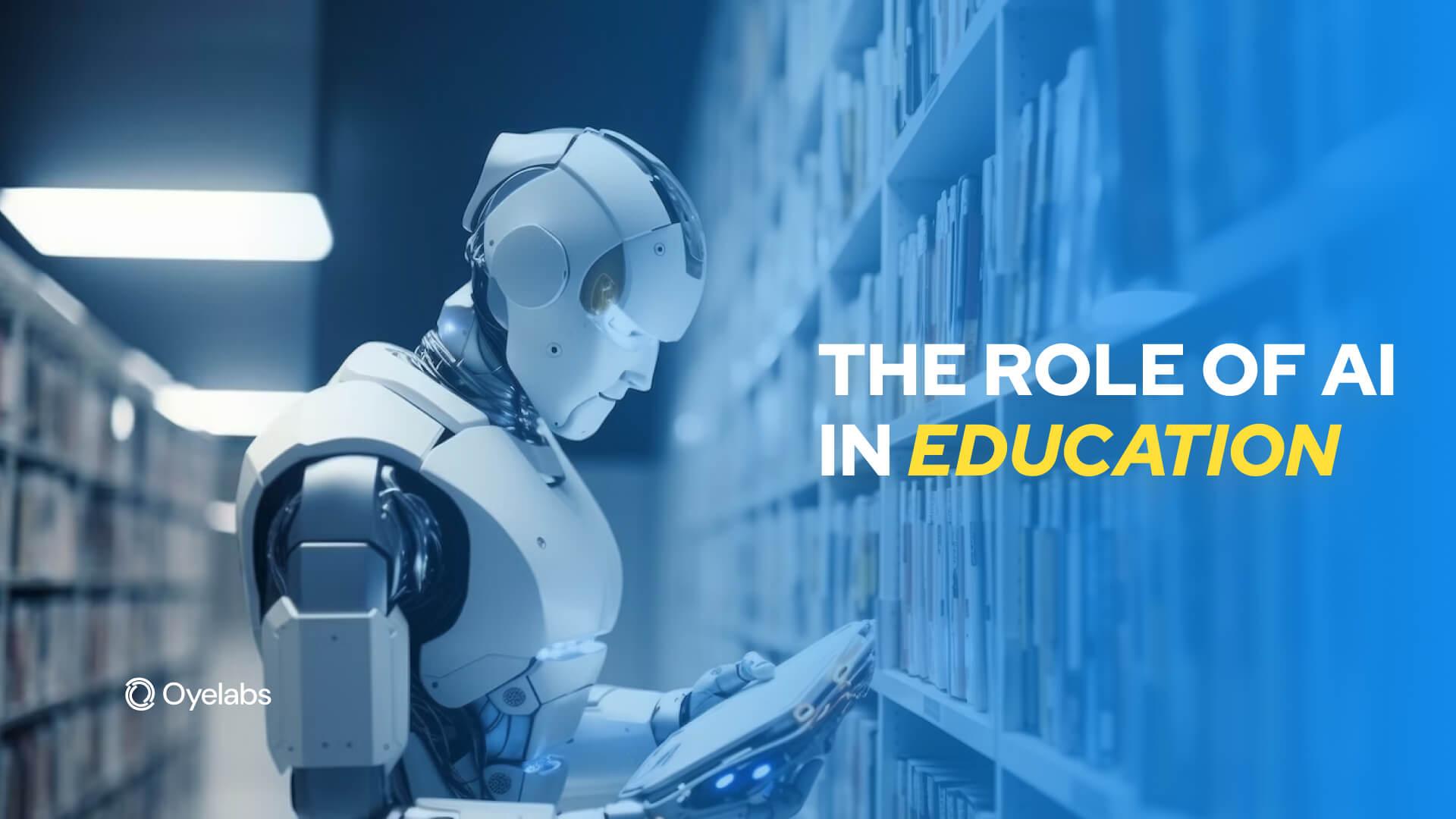
How AI Engineers Are Revolutionizing Educational Applications: Roles, Skills, and Impact
The landscape of education is rapidly transforming as artificial intelligence (AI) becomes increasingly integrated into learning environments.Universities, colleges, and schools worldwide are leveraging cutting-edge AI technologies to enhance teaching and learning processes. At the forefront of this transformation are AI engineers—innovators responsible for designing, developing, and maintaining educational technology solutions powered by AI. if you’re seeking a career in education technology, understanding the pivotal role of AI engineers is essential for aligning your skills and ambitions with one of the fastest-growing sectors in EdTech.
Introduction to AI Engineering in Educational Technology
Educational applications have moved far beyond simple quiz apps or digital textbooks. Today, AI engineers in education technology are developing sophisticated tools and platforms that personalize learning, automate administrative tasks, and provide data-driven insights to educators and administrators.These advancements not only improve learning outcomes but also revolutionize the way institutions operate on a daily basis.
The Role of AI Engineers in EdTech
AI engineers working at universities, colleges, and schools serve critical roles in modern educational technology projects. Some key responsibilities include:
- Designing Adaptive Learning Systems: building algorithms that customize coursework and assessments based on individual student needs.
- Developing Bright Tutoring Systems: Creating virtual tutors capable of offering real-time support, feedback, and remediation.
- Natural Language Processing (NLP): Implementing technologies like automated essay grading, chatbots for student queries, and language learning apps.
- Predictive Analytics: Using AI to identify students at risk, predict performance, and inform targeted interventions.
- Data Security and Privacy: Ensuring all AI-driven solutions meet the highest standards for safeguarding sensitive student and institutional data.
- Administrative Automation: Streamlining tasks such as enrollment, scheduling, and resource allocation through smart workflows and robotic process automation (RPA).
In essence, AI engineers are the architects and builders of the intelligent systems that educators and students increasingly depend on.
Essential Skills for AI Engineers in Educational Technology
To thrive as an AI engineer in the education sector, professionals should focus on a blend of technical prowess, educational insight, and soft skills. Here’s a breakdown of the most significant competencies:
Technical Skills
- programming Languages: Proficiency in Python, Java, or C++ is essential for developing AI algorithms and applications.
- Machine Learning & Deep Learning: Extensive knowledge of ML and deep learning frameworks such as TensorFlow, PyTorch, or Keras.
- Data Science & Analytics: Experience with data wrangling, feature engineering, and statistical analysis tailored to educational datasets.
- Natural Language Processing (NLP): Ability to implement and refine NLP models for tasks like sentiment analysis, translation, or content summarization.
- Database Management: Familiarity with SQL and NoSQL databases, as well as large-scale data storage solutions.
- Cloud Computing: Competence in deploying AI solutions on cloud platforms such as AWS, Azure, or Google Cloud.
- Cybersecurity: Understanding of encryption protocols and data protection best practices.
Educational and Domain Knowledge
- Learning Theories: Recognition for pedagogical models helps AI engineers create solutions aligned with real instructional needs.
- EdTech Standards: Familiarity with standards like SCORM, LTI, and xAPI ensures smoother integration with existing educational systems.
- Accessibility: Designing AI applications that are inclusive and meet accessibility guidelines (such as WCAG).
Soft Skills
- Problem-Solving: The creative ability to navigate complex educational challenges.
- Collaboration: Working efficiently with educators, instructional designers, and multidisciplinary teams.
- Continuous Learning: Keeping up with the fast-evolving AI and EdTech landscape.
The Impact of AI Engineers on Educational Applications
The influence of AI engineers in the educational sector is profound.Here are some major ways they are reshaping learning and administration:
- Personalized Learning: AI-powered platforms adapt lesson plans, assignments, and feedback to fit each student’s pace, strengths, and interests. This individualization boosts engagement and retention.
- Scalable Tutoring: With intelligent tutoring systems, students receive instant support anytime, overcoming resource limitations within classrooms.
- Enhanced assessment: Automated grading systems save educators time and provide objective, consistent evaluation of student work.
- data-Driven Decision making: Predictive analytics help educators intervene before students fall behind and optimize resource allocation based on real usage data.
- Efficient Administration: Automating operational tasks allows institutions to direct more focus and budget toward educational outcomes.
- Improved Access and Equity: AI tools can triage and personalize interventions to help close achievement gaps, making high-quality education more accessible.
Benefits of Working as an AI Engineer in Educational Technology
For job seekers with a passion for both technology and education, AI engineering roles in EdTech offer compelling advantages:
- Purpose and Impact: Directly contribute to shaping future generations and advancing society through enhanced education.
- Continuous Innovation: The fusion of AI and education is constantly presenting new challenges and opportunities.
- Career Growth: Increasing demand for AI expertise in education means strong job prospects and advancement potential.
- interdisciplinary Collaboration: Work alongside experts in teaching, psychology, policy, and technology.
- Job Stability: The ongoing digital transformation of education ensures long-term relevance and security for AI engineers.
How to Break Into the Field: Practical Tips for Job Seekers
If you’re eager to pursue a career as an AI engineer in educational technology, consider these actionable steps:
- Build a Robust Portfolio: Create projects that showcase your abilities in machine learning, NLP, and educational applications. Open-source contributions and case studies are excellent portfolio additions.
- Stay Industry-Informed: Follow EdTech trends, participate in relevant webinars or conferences, and engage in online communities focusing on AI in education.
- Upskill Regularly: take specialized courses in AI, data analysis, and educational technology standards. Certifications from reputable platforms can boost credibility.
- Network Effectively: Connect with current edtech professionals through university events, online forums, or industry meetups.
- Showcase Soft Skills: Highlight your ability to communicate complex technical concepts to non-experts,as this is invaluable in academic settings.
- Target the Right Employers: Research universities, colleges, and schools investing in digital transformation and emerging technologies to find your ideal fit.
Conclusion: AI Engineers at the Heart of Education’s Future
As technology continues to revolutionize the education sector,AI engineers are at the heart of this wave of change. Their unique blend of technical expertise, educational understanding, and innovation is driving the creation of smarter, more effective learning environments across universities, colleges, and schools. For job seekers excited about making a tangible impact, the pathway to a rewarding and future-proof career in educational technology has never been clearer. By equipping yourself with the right skills, continuously learning, and actively engaging with the EdTech community, you can become one of the key drivers of progress in education’s next chapter.