
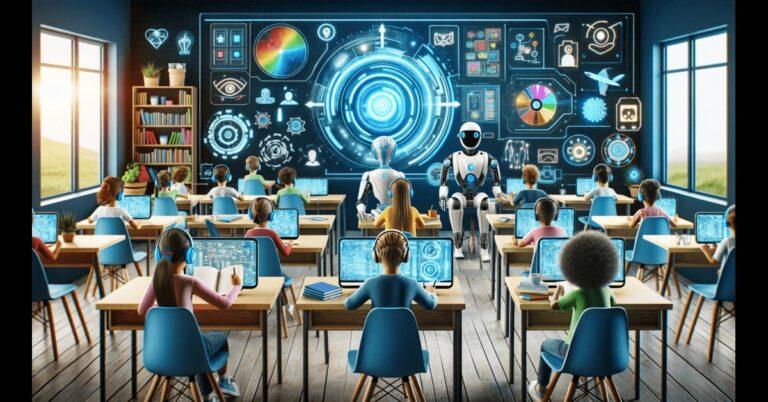
How AI Engineers Are Revolutionizing Educational applications: Transforming Learning with Advanced Technology
As technology rapidly evolves, educational institutions are increasingly seeking innovative ways to enhance student learning experiences. At the heart of this change are AI engineers, whose expertise in artificial intelligence and advanced technology is shaping the future of education. If you’re interested in securing a job in the field of education technology at universities, colleges, or schools, understanding the impact of AI engineers in educational applications can give you a competitive edge and help you prepare for this dynamic career path.
Introduction: The Rise of AI in Education
Artificial intelligence has become a major driving force in the modernization of educational environments. Universities, colleges, and schools are investing in educational technology to provide personalized learning, automate administrative tasks, and empower educators with powerful tools. AI engineers are at the forefront of this movement, leveraging machine learning algorithms, data analysis, and intelligent systems to create transformative educational experiences. In this article, we’ll explore how AI engineers are revolutionizing educational applications, the benefits for students and teachers, key responsibilities in education technology roles, and practical tips for job seekers looking to enter this exciting field.
How AI Engineers Are Shaping Educational Applications
AI engineers play a critical role in developing and implementing educational technology solutions that improve both teaching and learning in academic institutions.Their work spans across several domains:
- Personalized Learning: AI-driven systems can analyze student performance data and adapt content delivery to individual needs, maximizing learning outcomes.
- Intelligent Tutoring Systems: Virtual tutors powered by machine learning provide real-time feedback and assistance, supplementing classroom instruction and supporting students with diverse learning styles.
- Predictive Analytics: By leveraging large datasets, AI engineers develop applications that identify at-risk students, forecast academic trends, and optimize resource allocation.
- Administrative Automation: AI applications streamline tasks like enrollment, scheduling, and grading, allowing educators and staff to focus on core teaching activities.
- Accessible Learning: AI enhances accessibility for students with disabilities,such as tools for voice recognition,translation,and adaptive content presentation.
Key AI Technologies Driving Innovation
Modern educational platforms in universities,colleges,and schools integrate several advanced AI technologies:
- Natural Language Processing (NLP): Enables chatbots,essay grading,and language translation tools.
- Computer Vision: Assists in automating attendance, monitoring classroom engagement, and interpreting visual data.
- Proposal Systems: Suggests courses, reading materials, or learning paths tailored to students’ interests and achievements.
- Speech Recognition: Supports voice-based commands and accessibility for students with special needs.
- Machine Learning Algorithms: Power intelligent tutoring and data-driven decision making.
The Benefits of AI Engineering in Educational Technology
Employing AI engineers in educational technology roles brings a host of benefits for academic institutions, instructors, and learners:
- Enhanced Student Engagement: Adaptive technologies foster interactive and dynamic learning experiences.
- Improved Efficiency: Automating routine administrative tasks reduces human error and frees up educators’ time for meaningful interactions.
- Individualized Support: Personalized feedback and learning plans help every student reach their full potential.
- Data-Driven insights: Analytics inform curriculum progress and instructional strategies, leading to better outcomes.
- Greater Accessibility: AI-driven tools make education inclusive for students regardless of physical or cognitive abilities.
Roles and Responsibilities of AI Engineers in Education Technology
If you are considering a career in education technology as an AI engineer, here are some typical responsibilities you may encounter:
- Designing AI-Powered solutions: Building applications for personalized learning, assessment, and administration.
- Collaborating with Educators: Working closely with teachers, instructional designers, and IT staff to understand needs and translate them into technical solutions.
- Managing Data: Handling sensitive student data with robust privacy and security measures while ensuring system integrity.
- Research and Development: Staying updated with the latest AI technologies to propose innovative applications for educational settings.
- Testing and Optimization: Continuously monitoring performance, collecting feedback, and refining software applications for optimal results.
Required Skills for AI Engineering Jobs in Education
Landing a job as an AI engineer at a university, college, or school involves a blend of technical expertise and a passion for education. Essential skills include:
- Machine Learning and Deep Learning: Proficiency in designing predictive models and neural networks using frameworks like TensorFlow and PyTorch.
- Programming Languages: Superior coding skills in Python,Java,or R,with an emphasis on clean,efficient code.
- Data analysis and Visualization: Strong competency in handling datasets, interpreting results, and translating findings into actionable insights.
- Development of Educational Applications: Experience building or maintaining edtech platforms, learning management systems (LMS), or quiz software.
- Communication Skills: Ability to explain complex technology to educators and collaborate with multidisciplinary teams.
- Problem-Solving Mindset: Innovative approaches to overcoming technical and educational challenges.
- Understanding of Educational Principles: Familiarity with pedagogical theories, curriculum development, and assessment strategies is a definite advantage.
Practical Tips to Secure a Job as an AI Engineer in Educational Technology
Preparing for a role in education technology requires targeted effort. Here are some practical steps to help job seekers position themselves for success:
1.Build a Strong Foundation in AI
- Complete relevant degrees or certifications in computer science, artificial intelligence, or data science.
- Engage in hands-on projects using educational datasets or platforms to showcase your skills to prospective employers.
2. Gain Experience in Education Settings
- Collaborate on edtech projects, volunteer in teaching workshops, or intern with academic institutions to understand real-world challenges.
- Network with educators and administrators to learn about their pain points and share your technical expertise.
3. Stay Updated with Latest Trends
- Follow breakthroughs in AI and machine learning, especially those affecting the education sector such as adaptive learning and intelligent tutoring systems.
- Attend conferences, webinars, or online forums focused on education technology innovation.
4. Tailor Your Resume and Portfolio
- Highlight AI engineering accomplishments directly related to education technology.
- display projects relevant to learning analytics, personalized education, or accessibility improvements.
5. Prepare for Interviews Strategically
- Familiarize yourself with common educational platforms and how AI is integrated.
- Be ready to discuss how your AI solutions can address practical problems in academic settings.
The Future of AI Engineering in Educational Institutions
As universities, colleges, and schools continue to invest in digital learning, the demand for skilled AI engineers will only grow. With advancements like generative AI, adaptive assessments, and immersive virtual classrooms, the educational landscape is evolving at unprecedented speed.AI engineers will play a pivotal role in crafting responsive, inclusive, and effective learning experiences—and institutions will need passionate professionals who can harness technology to empower both teachers and students.
Conclusion: AI Engineers – Shaping Tomorrow’s Learning Experiences
The revolution in education technology led by AI engineers is transforming how knowledge is delivered, managed, and accessed in schools, colleges, and universities. By embracing advanced AI skills and engaging with the latest trends in educational applications, job seekers can contribute to this meaningful evolution and enjoy rewarding careers at the intersection of technology and learning. If you aspire to be an AI engineer in education technology, now is the perfect moment to equip yourself with the necessary expertise and join this exciting journey in shaping the future of education.