
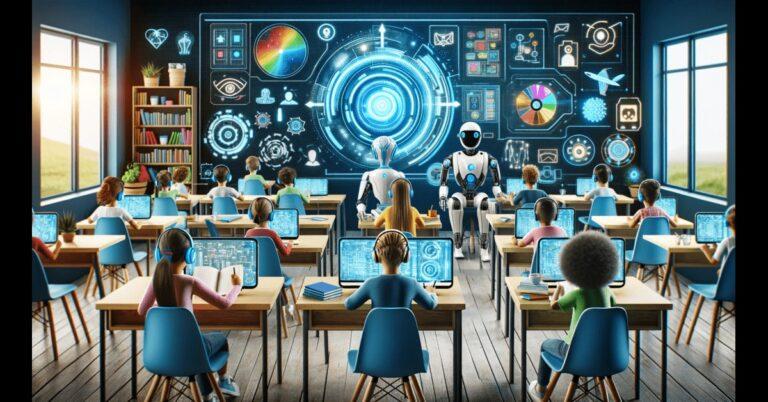
How AI Engineers Are Transforming Educational Applications: Skills, Roles, and Future Trends
Artificial Intelligence (AI) is rapidly reshaping the landscape of education technology, offering new possibilities in teaching, learning, and management across universities, colleges, and schools. As demand for AI-driven educational applications grows,so does the need for skilled AI engineers who can create innovative solutions. If you’re considering a career in this dynamic sector, understanding the unique skills, job roles, and future trends is essential. In this extensive guide, we’ll explore how AI engineers are transforming EdTech, what qualifications you need, and how you can tap into emerging opportunities in educational institutions.
Introduction: The Rise of AI in Education Technology
The integration of AI into educational applications has revolutionized how institutions deliver and manage learning experiences. From personalized learning platforms to adaptive assessments and smart classroom tools, AI engineers are at the heart of this transformation. Universities, colleges, and K-12 schools are increasingly seeking professionals who understand both artificial intelligence and the nuances of educational environments.
This article aims to inform job seekers about the exciting roles available for AI engineers in education technology, highlighting essential skills, typical job responsibilities, industry benefits, and forward-looking trends.
Why Educational Institutions Need AI Engineers
in the modern education sector, data-driven decision-making, personalized learning, and efficient administrative processes are critical to success. AI engineers contribute by:
- Developing smart tutoring systems that cater to individual student needs
- Building predictive analytics tools for student retention and performance
- Automating grading and feedback to enhance teaching efficiency
- Designing chatbots and virtual assistants for student support services
- Creating secure and scalable educational software
In this very way, the demand for AI engineers in universities, colleges, and schools continues to grow, offering diverse and rewarding career opportunities.
Key Skills Required for AI Engineers in Educational Technology
If you’re aiming for a job as an AI engineer in the education sector, certain technical and soft skills are vital:
Technical Skills
- Machine Learning Algorithms: Understanding of supervised, unsupervised, and reinforcement learning.
- Deep Learning: Skill in using neural networks for natural language processing (NLP),computer vision,and advice systems.
- Programming Languages: Proficiency in Python, R, Java, or C++, especially with libraries like TensorFlow and PyTorch.
- Data Engineering: Aptitude for managing, processing, and analyzing large educational datasets.
- Cloud Computing: Experience with AWS, Azure, or Google Cloud for deploying scalable AI solutions.
- Cybersecurity: Awareness of privacy and security challenges in educational data management.
Soft Skills
- Collaboration: Ability to work with educators, administrators, and other tech specialists.
- Problem-Solving: Creative approach to addressing complex educational challenges.
- communication: Skill in explaining AI concepts to non-technical stakeholders.
- Adaptability: Capacity to learn new technologies and respond to changing educational needs.
Desirable Qualifications
- Degree in Computer Science, Artificial Intelligence, or Related Field
- Experience in Education Technology or Instructional Design
- Portfolio of AI-driven projects related to education
Typical job Roles for AI Engineers in Universities, Colleges, and Schools
The specific responsibilities of AI engineers vary by institution, but common positions include:
- EdTech AI Developer: Designs and implements AI features for learning management systems, classroom apps, and digital libraries.
- AI Research Scientist: Conducts cutting-edge research to improve adaptive learning and educational data analytics.
- Machine Learning Engineer: Focuses on building and refining ML models for student performance predictions, automated grading, and content recommendation.
- Data Scientist: Analyzes educational outcomes, optimizes processes, and drives data-driven initiatives.
- AI Solutions Architect: Designs end-to-end AI systems for institutions, overseeing integration with existing platforms.
- Educational App Developer: Builds student- and teacher-facing applications powered by AI.
Benefits of Working as an AI Engineer in Education Technology
Pursuing a career as an AI engineer in an educational environment offers numerous advantages:
- Impactful Work: Directly influence teaching quality, student engagement, and learning outcomes.
- Professional Growth: Opportunities to advance through research, leadership, or specialized technical paths.
- Job Security: Increasing demand for AI talent in educational institutions ensures promising career prospects.
- Interdisciplinary Collaboration: Work alongside educators and policy makers to solve real-world problems.
- Innovative Environment: Be part of shaping the future of digital education and learning technologies.
Practical Tips for Job Seekers Aspiring to Become AI Engineers in Education
- Build a Strong Foundation: Focus on AI, machine learning, and data science courses, ideally with submission to education.
- Gain Hands-on Experience: Contribute to EdTech projects, internships, or freelance work related to educational software.
- Create a Portfolio: Develop demonstrable projects such as personalized tutoring systems, chatbots, or assessment analytics tools for students and teachers.
- Understand educational Contexts: Learn about teaching methodologies, curriculum standards, and learner diversity.
- Stay Updated: Regularly explore new research papers, attend EdTech conferences, and subscribe to industry newsletters.
- Network: Engage with AI and EdTech communities through online forums and professional associations.
- Tailor Your Resume: Highlight AI skills, relevant educational experience, and impact-driven projects when applying to universities, colleges, or schools.
Future Trends: The Evolving Role of AI Engineers in edtech
The future is shining for AI engineers seeking opportunities in educational technology, with several emerging trends reshaping the sector:
1. Enhanced Adaptive Learning Systems
AI engineers are enabling hyper-personalized content delivery that adapts to each student’s pace, style, and progress, making learning more engaging and effective.
2. Intelligent Virtual Assistants
Chatbots and AI-powered support agents are becoming commonplace, providing real-time help to students and administrative staff while reducing operational costs.
3. Predictive Analytics for Student Success
advanced machine learning models will identify at-risk students early, allowing educators to intervene proactively and improve retention rates.
4. Automated Assessment & Feedback
AI-driven grading and feedback systems help educators save time and ensure consistent, unbiased evaluation of student work.
5. Immersive Learning with AI
Integration of AI with AR/VR technologies will create interactive, simulation-based learning environments in universities and schools.
6. Data Privacy and Ethical AI
AI engineers will play a crucial role in ensuring ethical use of AI, protecting student data, and adhering to privacy regulations.
Conclusion: Building a Fulfilling Career as an AI Engineer in Education Technology
As AI continues to revolutionize educational applications, skilled engineers are more essential than ever. Whether you’re a recent graduate or a seasoned professional, developing the right mix of technical skills, educational insight, and real-world experience will open doors at top universities, colleges, and schools. By staying ahead of trends and nurturing a passion for innovation,you can not only advance your career but also make a lasting impact on learners and educators worldwide. The future of education technology is bright, and as an AI engineer, you can be at the forefront of shaping it.
Ready to take the next step? Start building your expertise, connect with EdTech leaders, and prepare to transform educational experiences through the power of AI.