
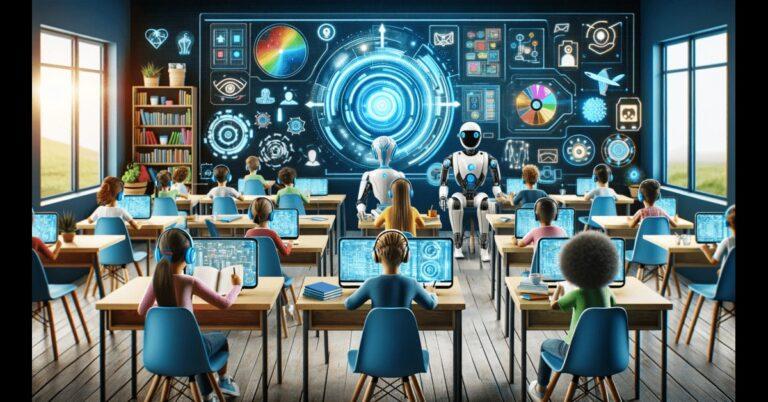
How AI Engineers Revolutionize Educational Applications: Key Roles and Impact
In today’s rapidly evolving academic landscape, artificial intelligence (AI) is reshaping how students learn and educators teach. At the heart of this transformation are AI engineers—tech professionals who apply their knowlege of machine learning, data science, and software development to design smarter educational applications. For job seekers aspiring to work in education technology (EdTech), understanding the critical role of AI engineers in universities, colleges, and schools can open doors to exciting career opportunities, meaningful contributions, and long-term growth. this article explores how AI engineers revolutionize educational applications, highlights their key roles, details their impact, and provides practical tips for landing a job in this dynamic sector.
The Vital Role of AI Engineers in EdTech
AI engineers are much more than just coders. They are architects of smart systems that personalize learning,enhance administrative efficiency,and foster innovative teaching methodologies. In the context of educational institutions, AI engineers collaborate closely with educators, instructional designers, and IT teams, serving as the technical backbone for a variety of educational technologies.
key Responsibilities of AI Engineers in Education
- Developing Adaptive Learning Platforms: AI engineers design algorithms that tailor coursework to each student’s learning pace, preferences, and skill gaps, making education more effective and inclusive.
- Implementing Intelligent Tutoring Systems: They build virtual tutors and chatbots that provide instant feedback and 24/7 support, helping students overcome academic challenges outside classroom hours.
- Automating Administrative Tasks: From streamlining admissions to grading assignments, AI-driven automation saves educators time and reduces errors, allowing them to focus on core teaching responsibilities.
- Analyzing Educational Data: Drawing insights from large datasets, AI engineers help institutions track student progress, predict at-risk learners, and make data-informed decisions to improve educational outcomes.
- Enhancing Learning Accessibility: By creating solutions such as real-time language translation and speech-to-text tools, AI engineers make educational resources accessible to a broader and more diverse student body.
How AI Engineers Are Transforming Educational Applications
the fusion of artificial intelligence and education technology is yielding groundbreaking applications that redefine the educational experience for both students and faculty. Here are some ways AI engineers are driving this change:
1. Personalized Learning Experiences
AI algorithms can assess a learner’s strengths and weaknesses, adjusting content difficulty and recommendations in real time. This ensures each student receives a personalized curriculum designed for optimal learning efficiency, motivation, and retention.
2.Intelligent Content Creation and Assessment
AI engineers are building systems that generate high-quality educational content automatically and curate resources according to curriculum standards. Automated grading,plagiarism detection,and personalized feedback further streamline the assessment process and provide immediate value to both students and teachers.
3. Enhanced Online and Blended Learning
Through AI-powered platforms, institutions are offering interactive online courses with adaptive modules, gamified elements, and real-time student engagement analytics. These features support both remote and hybrid learning environments, ensuring students remain engaged regardless of geography.
4. Student Success Prediction and Intervention
by leveraging machine learning models, AI engineers enable early identification of students at risk of underperforming or dropping out. Timely interventions—tailored recommendations, counseling, or academic support—can then be triggered, improving student retention and success rates.
The Benefits of AI Engineering in education Technology
Pursuing a career as an AI engineer in the education technology sector offers numerous professional and societal rewards:
- Meaningful Impact: AI engineers directly contribute to improving learning outcomes and accessibility on a global scale.
- High Demand and Job Security: With educational institutions increasingly adopting smart technologies, skilled AI professionals are in high demand.
- Cutting-Edge Innovation: AI engineering roles in universities, colleges, and schools often involve working at the forefront of technology—experimenting with natural language processing, neural networks, computer vision, and more.
- Collaborative Work Surroundings: AI engineers in EdTech frequently collaborate with educators, policy makers, and other technologists, fostering continuous learning and personal development.
- Opportunities for Advancement: Exposure to a range of technical and pedagogical challenges enables professionals to develop niche expertise, frequently enough paving the way to leadership roles such as EdTech product manager, chief technology officer, or AI research lead.
Key Skills Required for AI Engineers in EdTech
Educational technology employers are on the lookout for professionals with a specific blend of technical and interpersonal skills. aspiring AI engineers in this field should cultivate the following:
- technical Proficiency: Mastery of programming languages like Python, experience with machine learning frameworks (such as TensorFlow or pytorch), and knowledge of cloud computing are essential.
- Understanding of Educational Pedagogy: familiarity with learning theories, curriculum design, and educational psychology helps align technical solutions with instructional goals.
- Data Analysis and Visualization: The ability to interpret educational data, visualize insights, and communicate findings to non-technical stakeholders is key for impactful decision-making.
- problem-Solving and Creativity: Innovative thinking allows AI engineers to develop practical solutions to unique challenges in educational environments.
- Collaboration and Communication: Effective teamwork and clear articulation of complex concepts are necessary for working with multidisciplinary teams in academic settings.
Practical Tips for Landing an AI Engineering Job in Education Technology
As competition for AI roles in EdTech intensifies, job seekers should adopt strategies to stand out:
Build a Strong Portfolio
- Create projects showcasing adaptive learning algorithms, advice systems, or chatbots tailored for educational settings.
- Contribute to open-source EdTech repositories or publish research articles on educational applications of AI.
Pursue Relevant Certifications and Courses
- Consider advanced certifications in machine learning, data science, or cloud platforms commonly used in educational infrastructure.
- Participate in workshops or online courses focused on the pedagogy of technology integration in classrooms.
Network with Education and Technology professionals
- Engage in EdTech conferences, academic seminars, and professional online communities to build connections and stay updated on industry trends.
- Seek mentorship from experienced AI engineers or faculty members involved in technology-driven projects.
Tailor Your Resume and Prepare for Interviews
- Highlight relevant technical skills, practical experience, and any collaboration with educational teams in your resume.
- Be prepared to discuss how your expertise can address specific challenges faced by educational institutions, such as personalized learning, equity, or remote teaching.
Future Outlook: AI Engineers Shaping the Next Era of Learning
With the accelerated adoption of AI in education,the landscape for AI engineering jobs within universities,colleges,and schools is bright. Cutting-edge developments such as immersive virtual classrooms, augmented reality learning modules, and predictive analytics are continually expanding the scope of EdTech. AI engineers will remain in high demand as institutions prioritize equity, efficiency, and innovation in delivering educational services.
Conclusion
The role of AI engineers in educational technology is becoming indispensable to universities, colleges, and schools striving for excellence and inclusivity. Whether by developing adaptive learning platforms, automating administrative workflows, or unlocking new possibilities through data-driven insights, these professionals are at the forefront of the educational revolution. For job seekers looking to embark on a meaningful and future-proof career, transitioning into AI engineering within the EdTech sector offers the perfect blend of technical challenge and social impact. By developing the right skills, building a strong portfolio, and networking effectively, you can position yourself to make a lasting difference in the world of education technology.