
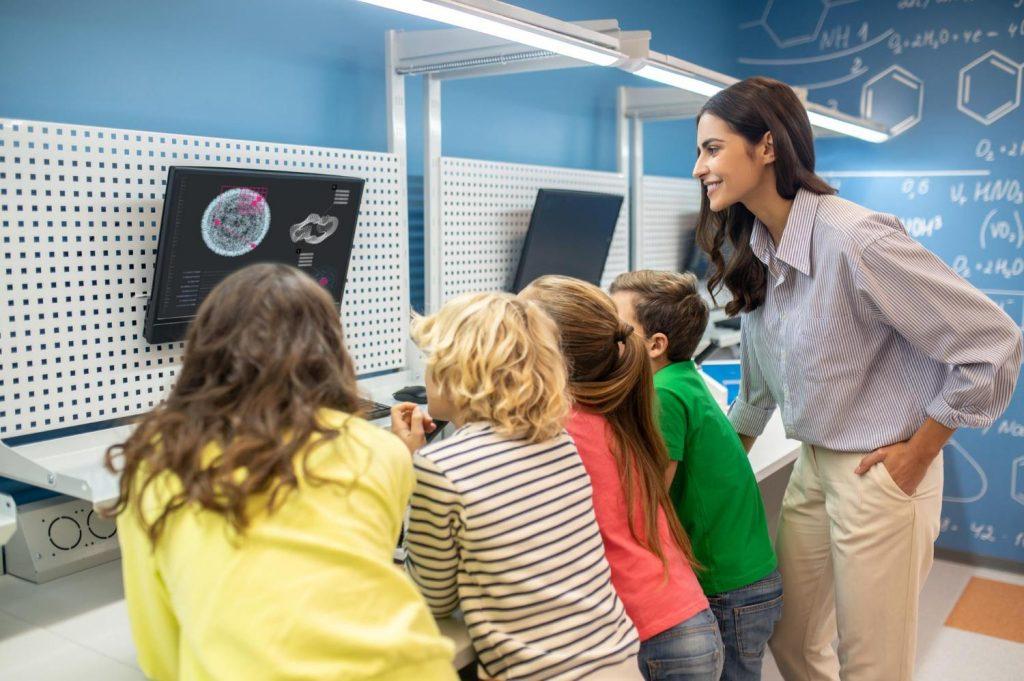
How AI in Classrooms Is Revolutionizing Teaching and Learning by 2025
The future is now—artificial intelligence (AI) is no longer just a futuristic concept; it’s transforming classrooms across the globe. By 2025, AI in classrooms is set to revolutionize both teaching and learning, making education more personalized, efficient, and engaging than ever before.In this complete guide, we’ll delve into the impact of AI in education, explore its key benefits, showcase real-life case studies, and offer practical guidance for educators and institutions looking to harness the power of AI for student success.
Table of Contents
- Why AI Is Transforming Education
- key benefits of AI in Classrooms
- Real-World Case Studies
- Practical Tips for Educators Integrating AI
- Firsthand Experiences: The Teacher and Student Perspective
- conclusion
Why Artificial Intelligence Is Transforming Education
Education is at a pivotal turning point. With the advent of AI-powered tools, classrooms are evolving into adaptive, dynamic environments that accommodate various learning styles and needs. Here’s why AI in education is essential by 2025:
- Personalized Learning: AI algorithms analyze student data,providing customized lesson plans,resources,and assessments tailored to individual strengths and weaknesses.
- Efficiency for Teachers: Routine tasks such as grading, attendance, and administrative work are streamlined, freeing educators to focus on meaningful interactions with students.
- Data-Driven Decision Making: Instant insights and analytics help educators understand progress, identify at-risk students, and adapt teaching strategies on the fly.
- Accessibility: AI-powered tools can translate languages, provide speech-to-text support, and personalize pacing, ensuring inclusivity for students with diverse needs.
- Engagement through Innovation: AI makes learning more interactive through clever tutoring systems, gamification, and real-time feedback.
Key Benefits of AI in Classrooms
The integration of artificial intelligence in K-12 and higher education is unlocking new possibilities for students, teachers, and schools alike. below are the most impactful benefits of embracing AI-driven education:
1. Personalized and Adaptive Learning Pathways
- AI analyzes individual learner performance and predicts areas needing enhancement.
- adaptive learning platforms modify content difficulty and pacing for optimal learning outcomes.
- Students receive instant, constructive feedback, allowing for continuous growth.
2. Automated Administrative Tasks
- AI reduces teacher workload by automating grading, scheduling, and reporting.
- Teachers gain valuable time to dedicate to lesson planning and student interaction.
3. Enhanced Student Engagement
- Interactive AI tools like chatbots, virtual tutors, and immersive simulations boost participation.
- Gamified experiences and real-time quizzes make learning fun and dynamic.
4. Actionable Insights and Early Intervention
- Real-time data helps teachers recognize learning gaps and intervene early.
- AI-based learning analytics guide tailored instruction and ensure no student is left behind.
5. Improved Accessibility and Inclusivity
- AI-powered translation, text-to-speech, and assistive technologies support students with diverse backgrounds and abilities.
Real-World Case Studies: AI in Education by 2025
Case Study 1: Squirrel AI in China
squirrel AI,an adaptive learning platform,personalizes mathematics instruction for millions of students across China.Leveraging advanced algorithms, it delivers real-time, individualized tutoring, resulting in important improvements in test scores and student confidence. Teachers rely on AI’s insights to refine lesson plans and track student progress efficiently.
Case Study 2: Carnegie Learning in the United States
Carnegie Learning integrates AI-driven software to deliver math curricula in schools nationwide. The program adapts to each student’s learning patterns, offering targeted feedback and recommendations. Many districts report increased math proficiency and decreased dropout rates as adopting AI-powered tools.
Case Study 3: Kanakia International School in India
Kanakia International implemented AI-powered language translation and speech recognition systems to help ESL (English as a Second Language) students.With instant translations and personalized practice, students now bridge language gaps more quickly and engage confidently in class discussions.
Practical Tips for Educators Integrating AI in the Classroom
Bringing AI into the classroom doesn’t have to be overwhelming. Here are some practical strategies for educators and school leaders:
- Start Small: Pilot one AI tool—such as an automated quiz generator or virtual tutor—before rolling out more comprehensive solutions.
- Collaborate: Connect with other teachers and share findings about AI-based platforms that enhance instruction and engagement.
- focus on Professional Growth: Attend AI-in-education workshops or webinars to stay updated on best practices and emerging tools.
- Emphasize Ethical AI Use: Teach students about digital citizenship, privacy, and the responsible use of AI and data.
- Measure Impact: Regularly assess how AI tools improve learning outcomes and adjust approaches based on data and feedback.
Recommended AI Tools for Schools
- Quizizz: Gamified quizzes with AI-driven analytics.
- Khan Academy: Personalized AI-powered lessons and progress tracking.
- Otter.ai: Real-time transcription for note-taking and accessibility.
- Classcraft: Educational gamification and engagement insights.
Firsthand Experiences from the Classroom
A Teacher’s Perspective
“Implementing AI in my 6th-grade math class entirely transformed the learning habitat. Students who previously struggled are now thriving with personalized feedback and interactive practice sessions. AI tools do more than automate tasks—they empower educators to reach every student.”
—Ms. Angela Martinez, Middle School Teacher, California
A Student’s Perspective
“I used to find it hard to keep up with my classmates, but after my school brought in AI-based learning apps, I felt more confident. The lessons adapt to my pace and help me understand concepts better. learning feels more fun and less stressful now.”
—sophia Lee,Grade 8 Student,Singapore
Conclusion: Future-proofing Learning with AI
By 2025,AI in classrooms isn’t just an exciting possibility—it’s a necessary evolution in education. Through personalized pathways, enhanced engagement, actionable insights, and automation, AI is empowering teachers and enabling students to achieve thier fullest potential.embracing artificial intelligence in education means preparing learners for a rapidly changing world,building resilience,adaptability,and lifelong skills.
For educators, students, and policymakers, the message is clear: now is the time to invest in the systems, skills, and strategies that will define the classroom of tomorrow. Let AI help you revolutionize teaching and learning—as the future of education starts today.