
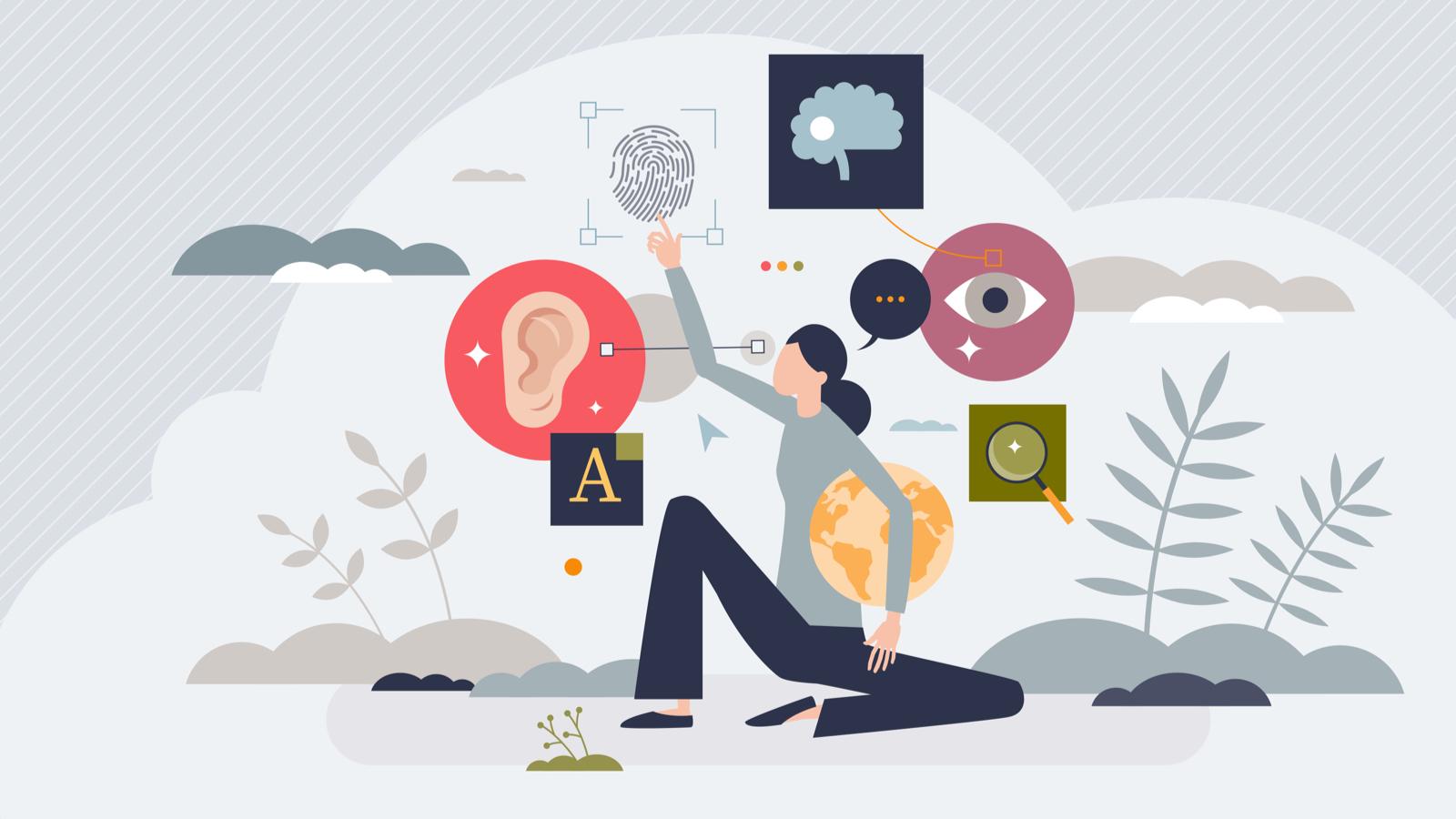
How AI Is bridging the Gap in Special Education: Enhancing Support for Diverse Learning needs
The intersection of artificial intelligence (AI) and special education is opening new horizons for millions of students with unique learning challenges. As digital conversion accelerates, AI technology is empowering educators, parents, and students alike, making learning more accessible, engaging, and personalized than ever before. In this article, we’ll explore how AI is bridging the gap in special education, the benefits it brings to diverse learning needs, and practical ways it’s being implemented in classrooms worldwide.
The Role of AI in Special Education
Special education is designed to address the individual needs of students with disabilities and learning differences. Though,challenges such as limited resources,large class sizes,and evolving educational standards can hinder effective support. This is where AI in special education steps in, offering innovative solutions tailored to each student’s unique abilities and requirements.
- Personalized learning paths based on real-time data and progress tracking.
- Assistive technologies for students with physical,cognitive,or sensory impairments.
- Automated assessment tools that monitor growth and suggest targeted interventions.
- Language processing applications for students with reading and communication difficulties.
By incorporating AI-driven tools, educators can more effectively address the diverse learning needs present in today’s inclusive classrooms.
Key Benefits of AI for Students With diverse Learning Needs
The integration of AI in special education unlocks significant benefits for students,teachers,and educational institutions. Some of the moast notable advantages include:
1. Personalized Learning Experiences
AI platforms can analyze individual learning styles, strengths, and weaknesses to create adaptive lesson plans. Whether a student needs visual aids, interactive exercises, or audio instructions, AI systems adjust content delivery for personalized special education.
2. Improved Accessibility
AI-driven tools—such as text-to-speech readers, captioning services, and predictive text applications—remove barriers for students with visual impairments, dyslexia, or speech disorders. This ensures that learning materials are readily accessible to everyone.
3. Early Intervention & Predictive Analytics
AI can detect subtle patterns in student performance, flagging potential learning gaps or developmental delays earlier than conventional methods. this enables timely interventions, minimizing long-term educational setbacks.
4. Enhanced teacher Support
With AI handling routine assessments and administrative tasks,teachers have more time to deliver hands-on,personalized instruction. AI also offers data-driven insights, supporting educators in making informed decisions about instructional strategies.
5. Greater Inclusion and Confidence
Inclusive AI tools foster a sense of belonging and boost self-confidence among students who previously struggled with traditional educational approaches.
Real-World Applications: AI in Action
Let’s explore some real-world examples demonstrating how AI is enhancing special education outcomes.
- AI-powered reading assistants like Microsoft’s Immersive Reader help students decode and comprehend text, with features that break down syllables, provide picture dictionaries, and read aloud.
- Speech recognition apps allow students with speech impediments to communicate more easily, transcribing spoken words into text in real-time.
- Autism-focused educational platforms such as Brain Power employ AI to help children read facial expressions and develop social skills.
- behavioral tracking software uses machine learning to monitor patterns and suggest interventions for students facing behavioral or emotional challenges.
- Customizable digital workspaces like Google classroom integrate AI plugins that adapt interfaces for users with motor or visual disabilities.
These solutions not only boost academic achievement but also expand opportunities for independence and self-advocacy among learners.
Case Study: AI’s impact on a Student With Dyslexia
To illustrate the power of AI in special education, consider Sarah—a middle school student diagnosed with dyslexia. Traditional classroom instruction left her feeling frustrated and left behind. When her school introduced an AI-based literacy tool, her progress transformed:
-
The platform identified specific phonetic weaknesses and adjusted lessons in real-time.
- Reading passages were supplemented with interactive audio, ensuring comprehension at Sarah’s pace.
- Immediate feedback and encouragement from the AI assistant boosted Sarah’s confidence.
-
Teachers received detailed analytics, enabling more focused interventions.
Within one academic year,Sarah’s reading level improved by nearly two grades—a testament to the impact of AI-driven learning in special education for students with diverse learning needs.
Practical Tips for Schools and Educators Embracing AI in Special Education
Interested in harnessing AI in special education? Here are actionable steps to get started:
- Assess Existing Technologies: Identify current tools and platforms compatible with your school’s infrastructure.
- Prioritize Accessibility: Choose AI solutions with robust features for students with varying needs, from screen readers to customizable text displays.
- Professional Development: Invest in teacher training on AI tools, focusing on effective integration and troubleshooting.
- Collaborative Planning: involve special educators, parents, and students in selecting and evaluating tech solutions.
- Monitor and Evaluate: Regularly collect feedback to refine usage and maximize benefits.
Remember,while AI can significantly enhance special education,it should always complement—not replace—the essential role of dedicated teachers and support staff.
Challenges and Considerations
while the advantages of AI in special education are compelling, there are challenges to consider:
- Data Privacy: Safeguarding the sensitive information of students is paramount.
- Equity of Access: Technology gaps between schools and communities can perpetuate inequalities.
- Bias and Accuracy: AI algorithms require ongoing testing to avoid bias and ensure valid recommendations.
- Human Touch: No AI can replace the nuanced understanding and empathy brought by skilled educators.
Focusing on continuous improvement, ethical implementation, and inclusivity will help maximize the potential of AI in special education.
Conclusion: the Future of Special Education Is Here
AI is redefining what’s possible in special education, bridging gaps and enhancing support for learners with diverse needs. By personalizing instruction, improving accessibility, and empowering educators with actionable insights, artificial intelligence is making high-quality education a reality for all. As technology continues to evolve, schools, parents, and policymakers must collaborate to ensure that these innovations are accessible, ethical, and truly student-centered.
Are you ready to explore how AI can transform special education in your school or community? The future of learning is here—innovative, inclusive, and inspiring for every student.