
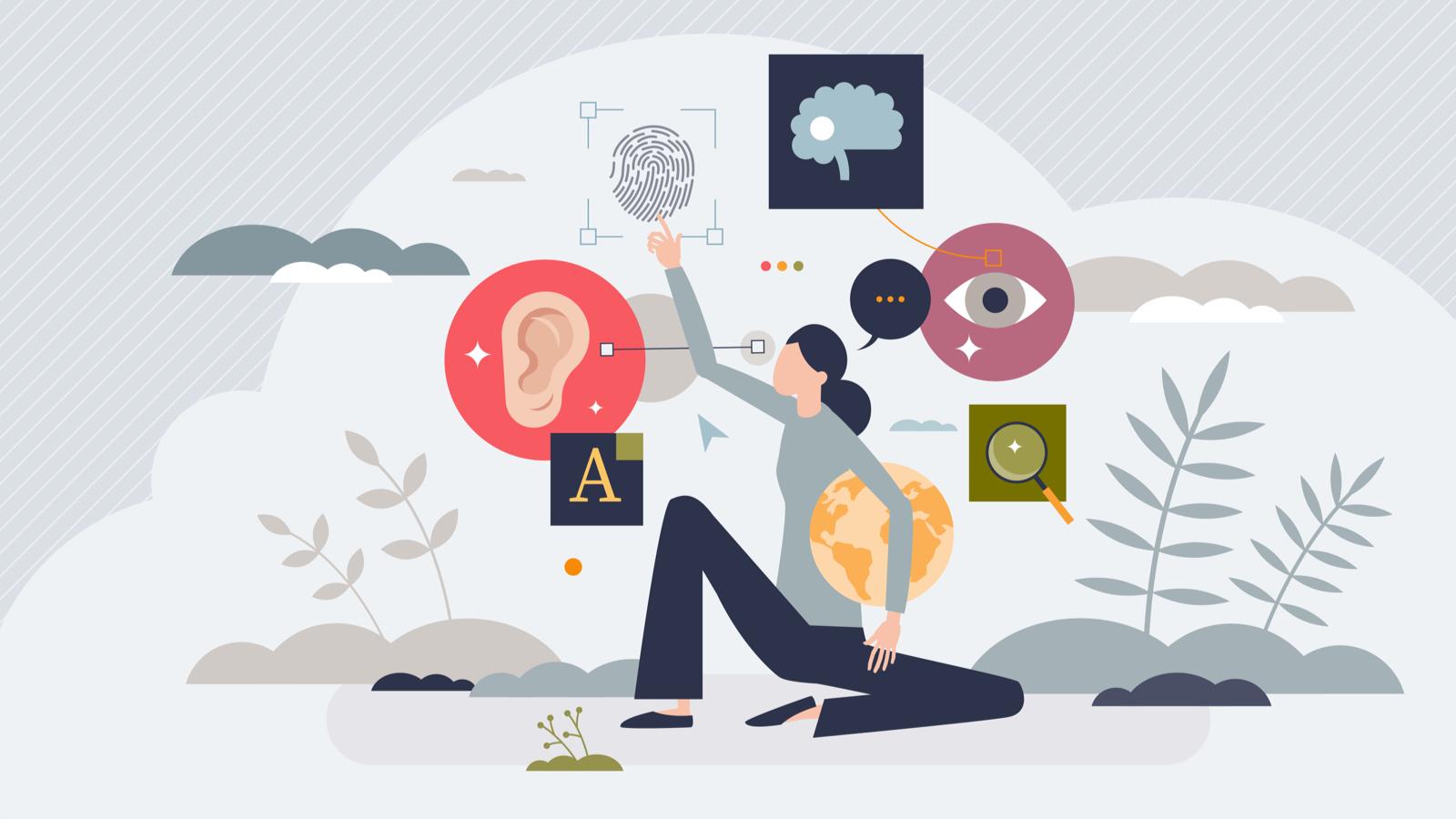
How AI Is bridging the Gap in Special Education: Enhancing Support for Students with Special Needs
the evolution of artificial intelligence (AI) is revolutionizing numerous industries, and education is no exception. Nowhere is this transformation more impactful than in special education, where the needs of students are as varied as they are unique. AI-powered solutions are empowering educators and students alike, helping to bridge longstanding gaps in support, accessibility, and individualized instruction. In this in-depth article, we’ll explore how AI in special education is breaking barriers, offering innovative ways to enhance learning outcomes for students with special needs.
- The Role of AI in Special education
- Key Benefits of AI for Students with Special Needs
- Real-World Applications: How AI Is Used in Special Education
- Practical Tips for Integrating AI in Special Education Classrooms
- Case studies: success Stories of AI in Special Education
- Challenges and Considerations
- The Future of AI in Special Education
- Conclusion
The Role of AI in Special Education
AI,at it’s core,is about creating systems that can perform tasks previously requiring human intelligence.In the realm of special education, AI technologies like machine learning, natural language processing, computer vision, and personalized learning algorithms are being leveraged to support differentiated instruction, streamline administrative processes, and deliver highly customized learning experiences.
Consider, for example, a student with dyslexia. AI-driven tools can adapt text presentations, provide real-time feedback on reading, or even turn written content into spoken words. This individualization makes learning more accessible, reducing frustration for both students and educators.
Key Benefits of AI for Students with Special Needs
AI is proving to be a game-changer for students with disabilities, providing them a more equitable and inclusive learning environment. Here’s how:
- Personalized Learning: AI-powered platforms analyze each student’s strengths, challenges, and learning pace—adapting curricula, assignments, and feedback accordingly.
- Accessibility Tools: text-to-speech,speech-to-text,and visual recognition tools help students with dyslexia,autism,or visual/auditory impairments engage more easily with classroom materials.
- Task Automation: AI assists teachers by automating grading and administrative tasks, allowing educators to focus more on individualized instruction and support.
- Behavior and Emotion Recognition: AI-enabled systems can monitor and interpret student behaviors and emotions, providing real-time insights into situations where a teacher’s intervention might potentially be required.
- Enhanced Communication: Augmentative and option communication (AAC) devices powered by AI help non-verbal students communicate effectively with peers and instructors.
Real-World Applications: How AI Is Used in Special Education
AI is reshaping the special education classroom through innovative applications, including:
1. Intelligent Tutoring Systems
AI-powered tutoring platforms (such as DreamBox or Carnegie Learning) offer differentiated learning pathways, immediate feedback, and constant adjustment of difficulty to match each student’s needs. For special education, this is especially crucial, as it reduces the stigma of falling behind while allowing advancement at a student’s individual pace.
2.Speech and Language Processing
Text-to-speech and speech-to-text tools are invaluable for students with reading and writing difficulties. AI-driven language models can also provide grammar suggestions,identify misunderstood concepts,and support language development for students with speech or language impairments.
3. Vision and Hearing Assistance
For visually or hearing-impaired students, AI-driven captioning, object recognition, and screen readers facilitate access to classroom content. Solutions like microsoft’s Seeing AI or Google’s Live transcribe are making educational materials more universally accessible.
4. Behavioral and Emotional support
AI analytics platforms can analyze facial expressions, tone of voice, and engagement patterns to help teachers identify when students are experiencing frustration, boredom, or anxiety—allowing early and targeted intervention.
5. Collaborative and Social Skill Tools
AI is also behind social robots and gamified learning environments, which help students with autism spectrum disorder (ASD) practice social skills, recognize emotions, and build communication confidence in a safe environment.
Practical Tips for Integrating AI in Special Education Classrooms
If you’re an educator, parent, or administrator interested in leveraging AI for special education, here are actionable tips:
- Start Small: Pilot one or two AI-based tools—such as an accessible reading app or automated grading assistant—to evaluate their impact before scaling up.
- Professional Development: Ensure staff are trained not just on technical use, but also on best practices for ethical, effective integration of AI in the classroom.
- Prioritize Privacy: Review data privacy and security policies of any AI vendor. Protecting students’ data—especially in vulnerable populations—is paramount.
- Involve Stakeholders: Collaborate with students, parents, and specialists when selecting and implementing tools, ensuring solutions are truly supportive and tailored to students’ needs.
- Regular Assessment: Collect feedback systematically and measure the impact of AI-assisted learning on student outcomes. Adjust as needed.
case Studies: Success Stories of AI in Special Education
Case study 1: AI Tutoring for Dyslexia Support
A public elementary school in California introduced AI-driven reading tutors for students with dyslexia. Within one academic year, those students scored 20% higher in reading comprehension than their peers who used traditional remediation methods.
Case Study 2: Emotion Recognition for Students with ASD
In texas, an AI-powered app was piloted to help students on the autism spectrum identify emotions via facial recognition and prompt-conversational cues. The result was a marked improvement in peer engagement and classroom participation.
Case Study 3: Speech-to-Text Accessibility
A high school in the UK implemented speech-to-text software for non-verbal students with cerebral palsy. This allowed them to contribute to classroom discussions and assessments independently, improving their confidence and academic performance.
Challenges and Considerations
While AI in special education offers extraordinary promise, some challenges persist:
- Accessibility and Cost: Not all schools have the resources or infrastructure needed to integrate advanced AI tools.
- Ethical Use: There are legitimate concerns regarding student data privacy, algorithmic bias, and dependency on digital solutions.
- Adaptability: AI must be customized to the specific, often complex, needs of each individual—not all “off-the-shelf” solutions deliver truly personalized support.
- Teacher Roles: AI should enhance, not replace, the essential human element in special education, especially in building trust and empathy with students.
The Future of AI in Special Education
As AI technology continues to evolve, future prospects for students with special needs are brighter than ever. We can anticipate:
- Greater integration of AI tools in IEP (Individualized Education Program) development, making goal-setting and tracking more dynamic and responsive.
- Context-aware virtual assistants providing real-time help—customized to each student’s emotional state and learning environment.
- Increased use of virtual reality (VR) and AI combined, immersing learners in multidimensional, interactive educational experiences.
- Continuous collaboration among educators, developers, and disability advocates to ensure AI remains ethical, inclusive, and accessible.
Conclusion
AI is not just a technological trend—it’s a catalyst for meaningful progress in special education. By providing personalized support, breaking down accessibility barriers, and enhancing both independence and engagement, AI is helping educators deliver truly inclusive learning environments. As schools, families, and policymakers embrace these solutions, it is crucial to do so thoughtfully and ethically, ensuring every student receives the support and opportunities they deserve.
Ready to transform your special education classroom? Explore new AI-powered tools, involve your wider community, and stay informed about the latest advances—as every child’s potential is worth unlocking.