
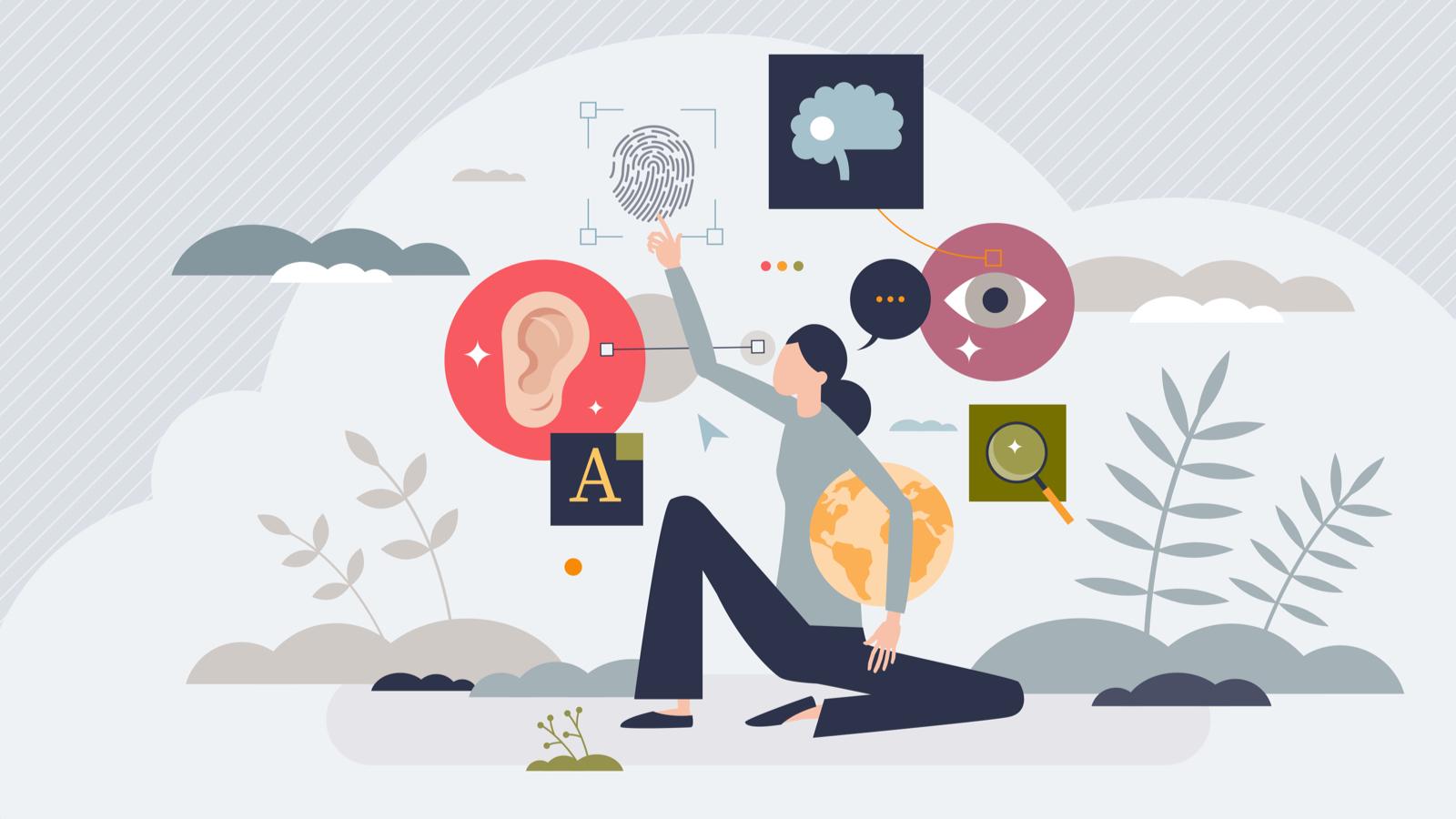
How AI is Bridging the Gap in Special Education: Innovations and Impact
In an increasingly digital world,technology is transforming the way we teach,learn,and connect.Nowhere is this evolution more evident—and more impactful—than in special education.For decades, educators and parents have sought tools that offer equitable learning opportunities for students with diverse needs. Today, Artificial Intelligence (AI) is emerging as a powerful ally, bridging gaps and propelling inclusive education to new heights. In this article, we delve deep into how AI is revolutionizing special education, exploring innovations, benefits, and real-world impact for students, teachers, and families alike.
Understanding the Challenges in Special Education
Students with disabilities often face obstacles that hinder their learning experiences. These challenges can include:
- Communication barriers due to speech or language disorders
- Difficulty accessing customary curriculum materials
- Need for individualized learning paths and support
- Limited resources and specialized educators
Traditionally, special education relies heavily on human expertise, but the sheer diversity of needs can overwhelm available resources.This is where AI-driven tools offer significant promise.
Innovative Ways AI is Transforming Special education
The integration of AI in special education is unlocking new possibilities:
1.Personalized and Adaptive Learning
- custom Learning Plans: AI tailors curriculum and lessons based on a student’s strengths, weaknesses, and learning style, ensuring every learner progresses at their own pace.
- Real-Time Feedback: Bright platforms like AI tutors provide immediate feedback on tasks, identifying areas for improvement and adjusting difficulty levels.
2. Speech and Language Technologies
- Speech Recognition: AI-powered speech recognition applications help students with dyslexia, autism, or other communication disorders interact and participate more comfortably.
- Text-to-Speech & Speech-to-Text: These tools convert spoken language to text and vice versa, making reading and writing more accessible to students with visual or cognitive challenges.
3.Assistive Technologies for Accessibility
- Visual Aids: AI-enabled devices such as smart glasses or screen readers assist students with visual impairments, translating images or text to audio in real-time.
- Augmentative and Alternative Communication (AAC) devices: AI enhances AAC devices,offering predictive text,context-aware suggestions,and voice synthesis for non-verbal students.
4. Data-Driven Insights and Behavior Analysis
- Progress Monitoring: AI analytics platforms track student performance, engagement, and behavior, empowering educators to make data-informed decisions.
- Early Intervention: Machine learning detects patterns suggesting when students need extra support, enabling timely, targeted interventions.
Benefits of AI in special Education
The adoption of AI technologies in special education settings offers numerous advantages:
- Increased Accessibility: Breaking down physical and cognitive barriers for students with disabilities.
- Personalization: One-on-one learning that adapts to the pace and preferences of each student.
- Teacher Empowerment: Freeing educators from repetitive tasks, allowing them to focus on emotional and creative support.
- Parent Collaboration: AI platforms facilitate real-time reporting and communication between teachers and families.
- Scalability: Solutions that can be deployed across classrooms and districts,reaching more students efficiently.
- Enhanced Social Inclusion: Encouraging participation and interaction in classroom and online environments.
Case Studies: AI Success Stories in Special Education
Case Study 1: AI-Powered Reading support at Henry Elementary
Henry Elementary,a public school in Arizona,introduced an AI-driven reading companion for students with dyslexia and learning disabilities. The tool offered real-time pronunciation feedback, personalized reading levels, and motivational badges. After just six months, students demonstrated a 25% improvement in reading comprehension and reported greater enjoyment while reading independently.
Case Study 2: Virtual Classrooms Empower Non-Verbal Students
In an inclusive classroom in the UK, AI-powered augmentative and alternative communication devices enabled non-verbal students to participate in group discussions through predictive text and instant translation. Teachers observed significant increases in student engagement, peer interaction, and self-confidence.
Case study 3: Behavioral Analytics for Early intervention
A school district in California adopted an AI-based monitoring tool that flagged early signs of anxiety and behavioral changes among students with autism spectrum disorder (ASD). This early detection allowed teachers and therapists to intervene promptly, preventing potential meltdowns and ensuring students felt safer and more supported.
Practical Tips for Implementing AI in Special Education
- Start Small: Pilot AI tools with individual students or small groups before scaling up.
- Prioritize Accessibility: Choose technologies that are user-friendly and designed with various disabilities in mind.
- Train Staff: Offer continuous professional development so educators can make the most of AI resources.
- Engage Families: involve parents and caregivers in the selection and implementation process to maximize student support.
- Ensure Data Privacy: Choose vendors who comply with FERPA, GDPR, and other privacy standards to protect sensitive student data.
- Regularly Assess Impact: Evaluate the effectiveness of AI tools and adapt strategies as needed.
First-hand Experience: Voices from the Classroom
“using AI-driven speech-to-text in my classroom has been nothing short of transformative. My students feel empowered to express their ideas without the barrier of writing, and their confidence has soared. It’s made inclusion not just a goal, but a reality.”
— Sarah L., Special Education Teacher, Texas
“The personalized lessons provided by our school’s AI platform helped my son, who has autism, stay engaged and progress at his own pace. It’s like having a teacher who truly understands him.”
— Mark R., Parent
Future Trends: What’s Next for AI in Special Education?
- Emotion Recognition: AI systems detecting emotional cues to adapt instruction and support mental health.
- Gamified Learning: Game-based AI platforms to motivate and engage students with developmental disabilities.
- Worldwide Design for Learning (UDL): AI tools supporting UDL frameworks to create more flexible, accessible learning environments.
- Real-Time Translation: AI-powered instant language translation widening inclusion for students with linguistic barriers or multicultural backgrounds.
Conclusion
The fusion of AI and special education is proving to be a game-changer for educators, families, and—most importantly—students. By delivering personalized, accessible, and inclusive learning experiences, AI is not just bridging the educational gap; it is indeed redefining what’s possible for learners of all abilities.As technology continues to evolve, the commitment to ethical implementation, teacher training, and student-centered design will be crucial.
The journey towards complete inclusion is ongoing, but with AI leading the way, every learner has a brighter future within reach.For educators and schools considering the leap, the time to start is now—embracing AI-powered education means opening the doors to true equity, engagement, and excellence for every student.
Ready to explore how AI can support your special education program? Start small, stay informed, and don’t hesitate to share your success stories with the global education community!