
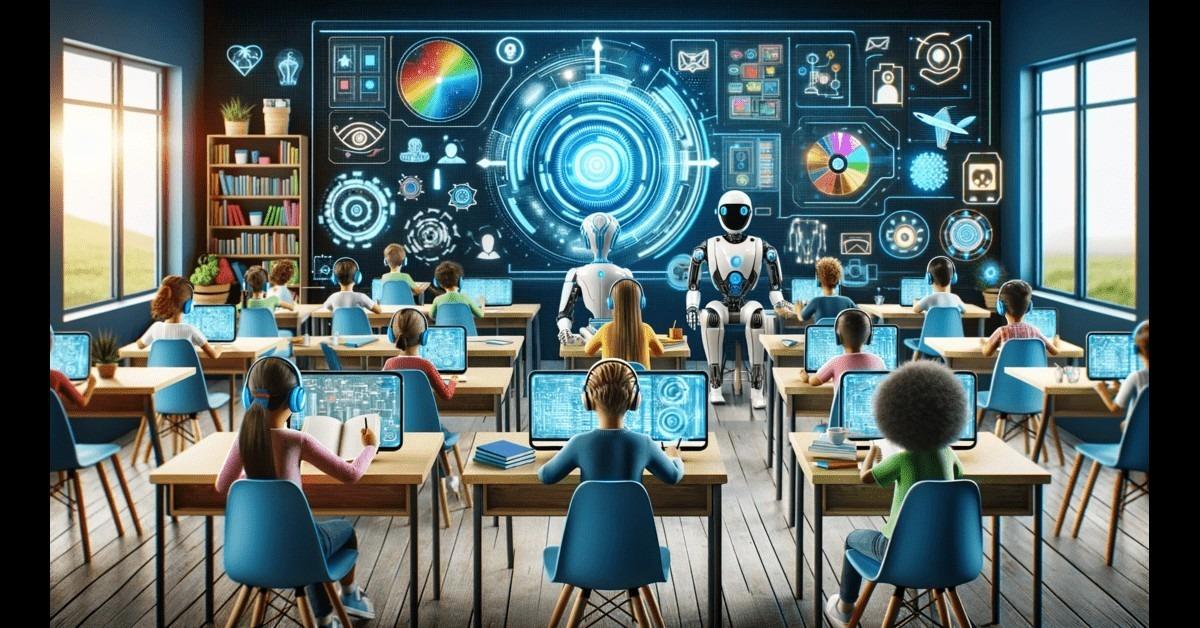
How AI Is Bridging the Gap in Special Education: Innovative Solutions for Diverse Learners
Special education has always aimed to provide tailored support so that every child can reach their full potential. However, the challenge of meeting the individual needs of diverse learners has persisted for decades. Today,artificial intelligence (AI) in special education is poised to revolutionize how educators,parents,and students experience learning. From personalized content and communication tools to accurate assessment and seamless classroom integration, innovative AI solutions for special education are making inclusive, equitable education possible like never before.
Understanding the Unique Challenges in Special Education
Before delving into high-tech solutions, it’s vital to understand the complexities faced by students with special needs, such as:
- Cognitive and learning disabilities (dyslexia, ADHD, intellectual disabilities)
- Communication challenges (autism spectrum disorder, speech impairments)
- sensory impairments (hearing or vision loss)
- Physical disabilities impacting mobility or interaction with standard educational materials
- Emotional and behavioral differences
Conventional teaching often struggles to accommodate this amazing diversity. AI-powered assistive technologies are changing the landscape, supporting teachers in creating adaptive, engaging, and personalized learning experiences.
Innovative AI Solutions for Diverse Learners
AI in special education is not futuristic — it’s happening now! Here are some of the most effective and exciting ways AI is transforming the learning journey for students with special needs:
1. Personalized Learning Platforms
- Adaptive Content Delivery: AI algorithms assess each student’s skill level and learning style, then deliver appropriate reading materials, exercises, and activities.
- Stepwise Scaffolding: Complex tasks are broken down into manageable steps, with hints or reinforcement provided as needed.
- Real-Time Progress Tracking: educators and parents receive data-driven insights on strengths, challenges, and suggested interventions.
2. AI-Powered Communication Tools
- speech-to-Text and Voice Recognition: Students with speech or language impairments can express themselves using voice-to-text applications or AI chatbots designed for alternative communication.
- Text-to-Speech and Reading Support: AI converts written materials into spoken language, helping students with dyslexia or visual impairments access curriculum content.
3. Vision and Hearing Assistance
- Visual recognition: AI-powered apps can translate images and text into Braille or spoken descriptions for students with low vision or blindness.
- Real-Time Captioning: AI generates instant captions for videos and live discussions, supporting hard-of-hearing students.
4. Predictive Analytics for Early intervention
- Learning Analytics: By analyzing patterns in student participation and performance, AI can identify learning difficulties early, allowing for prompt support.
5. Classroom Automation and Task Management
- Automated Scheduling: AI tools streamline class schedules,IEP meetings,and accommodate therapy appointments efficiently.
- Resource Matching: AI matches students with the most beneficial educational resources, apps, or professionals based on their unique profiles.
Case Studies: AI Making a Difference in Special Education
Case Study 1: CogniToys and learners with Autism
CogniToys, a startup developing AI-powered conversational toys, partnered with special education classrooms. These AI companions engage learners on the autism spectrum with adaptive, language-rich conversations. Teachers reported:
- Meaningful improvements in verbal skills
- Greater willingness to participate in guided group activities
- Reduced social anxiety around peer-to-peer interactions
Case Study 2: Microsoft’s Seeing AI
Microsoft’s Seeing AI app combines object recognition, text reading, and facial expression description to empower students with visual impairments. In one suburban school district, visually impaired students reported rising confidence and independence navigating the cafeteria, reading class handouts, and engaging in classroom discussions.
Case Study 3: AI-Based IEP management at a California School
Pacific Grove Unified School District in California implemented an AI-assisted Individualized Education Program (IEP) management system. This platform automatically tracked student progress, flagged potential setbacks, and delivered at-a-glance reports for staff and families, saving hours of manual paperwork.
Benefits of AI in Special Education
Deploying AI solutions for diverse learners isn’t just a trend—it’s a transformation with real-world impact. Key benefits include:
- Personalization: Every student receives tailored instruction maximizing their unique strengths and addressing their specific challenges.
- Accessibility: Barriers from reading, speech, hearing, or mobility impairments are reduced, leading to greater engagement and outcomes.
- Empowerment: AI fosters independence, giving students more control over their learning experience.
- Efficiency: Teachers spend less time on repetitive administrative tasks and more time building meaningful connections with students.
- data-Informed Decisions: Actionable analytics promote early intervention and targeted instruction.
- Scalability: Schools can meet the needs of more students without costly one-on-one interventions for every challenge.
Practical Tips for Implementing AI in Special Education
Ready to explore AI in your classroom, school, or district? Here are some practical steps for educators, administrators, and IT teams:
- Start Small: Pilot a single AI tool with clear objectives before broader rollout.
- Engage Stakeholders: Collaborate with parents, students, support staff, and IT professionals for smooth implementation.
- Prioritize Accessibility: Choose AI-powered special education platforms certified for accessibility and data privacy.
- Professional Development: Provide hands-on training and ongoing support for educators.
- Monitor and Assess: Use analytics to evaluate what works, make adjustments, and celebrate successes.
- Advocate for Equity: Ensure AI solutions are available to all students, nonetheless of socioeconomic status or learning environment.
Real Voices: first-Hand Experience Using AI in Special Ed
“As an elementary special education teacher, introducing voice-enabled AI reading apps transformed my classroom. Students who rarely participated are now reading aloud with confidence. It’s not just technology—it’s a lifeline for so many of my kids.” – Mrs. Jessica Lam, Special Education Teacher, Ohio
“our son, who is nonverbal and on the autism spectrum, uses an AI communication device daily. For the first time, he can tell us what he wants to eat or how he’s feeling. It has changed our lives.” – Parent of a 9-year-old, Texas
Conclusion: Bridging the Gap with AI-Powered Special Education
The integration of AI in special education is more than a technical breakthrough—it’s a movement toward equity, accessibility, and empowerment for every learner. From classroom toolkits to assistive communication devices and advanced data analytics, AI solutions for diverse learners are driving dramatic improvements in student engagement, educator effectiveness, and family satisfaction.
While challenges remain—such as ensuring privacy, avoiding bias in algorithms, and scaling access—AI represents a powerful ally for educators and families alike. As we continue to embrace innovative technologies, the future of special education looks increasingly brighter, more inclusive, and filled with possibility.
Are you a school leader, educator, or parent looking to implement AI-powered assistive technology in your program? Join the conversation in the comments below or contact our team for personalized guidance on selecting the best AI solutions for special education in 2024 and beyond.