
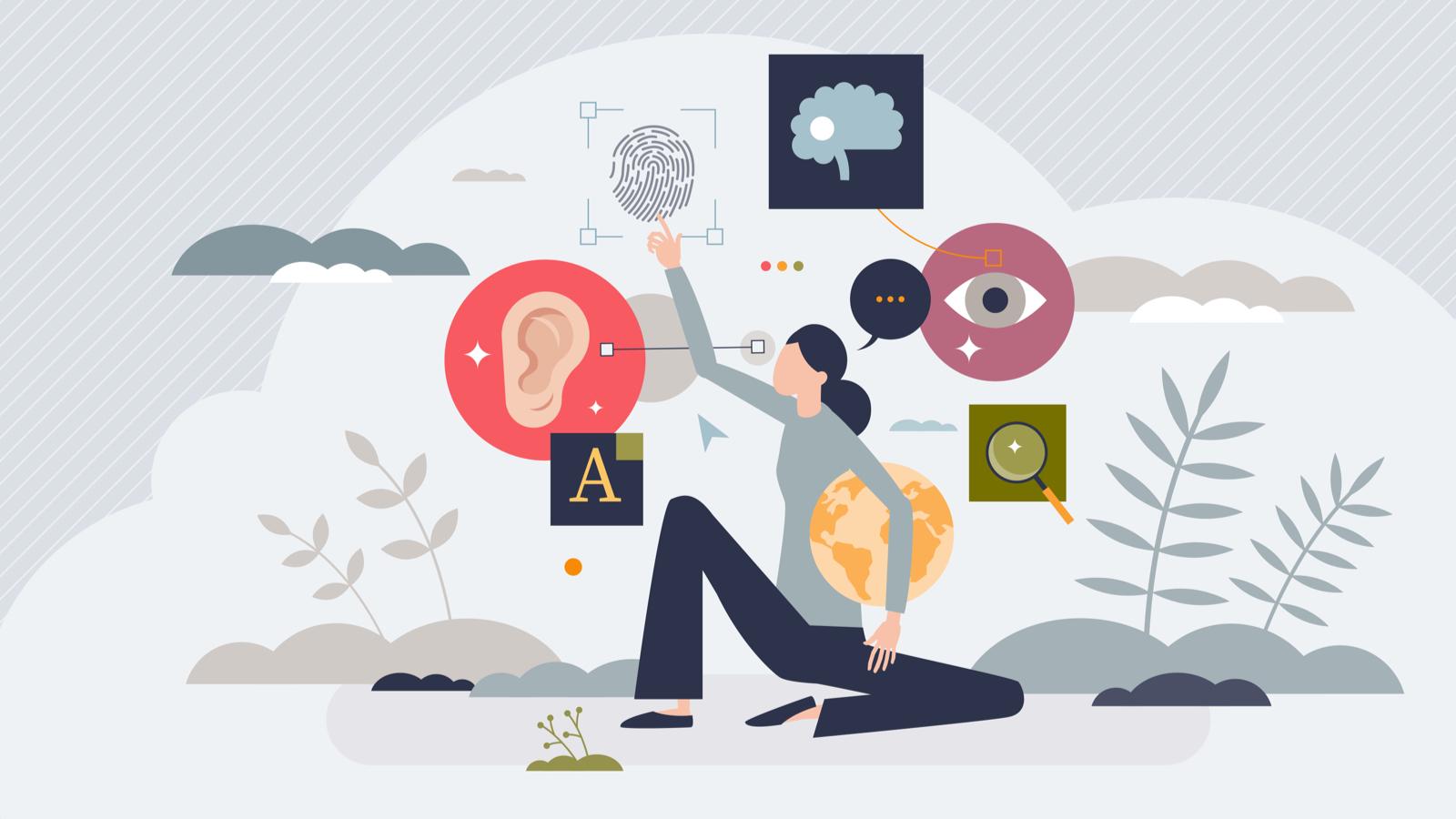
How AI Is Bridging the Gap in Special Education Needs: Innovations and Impact
Introduction
in recent years, the role of Artificial Intelligence (AI) in special education has evolved rapidly. The integration of AI technologies is not just improving accessibility, but genuinely bridging the gap in special education needs by making learning more individualized, engaging, and effective. Whether you are a parent,educator,or policymaker,understanding these innovations is crucial to supporting diverse learners in modern classrooms.
The Role of AI in Special Education
AI in special education refers to the use of clever systems and learning algorithms to address unique learning barriers faced by students with disabilities. These systems leverage data-driven insights to adapt content, pacing, and delivery style to each student’s strengths and areas for growth. The result is a more personalized learning environment where students with special needs receive the support they deserve.
innovations Transforming Special Education
- Adaptive Learning Platforms: AI-powered platforms such as DreamBox and Smart Sparrow analyze student responses in real-time, adjusting the complexity and format of tasks to align with individual abilities and learning styles.
- Speech and Language Processing: Tools like Google’s Look to Speak and Grammarly utilize natural language processing (NLP) to help non-verbal or speech-impaired students communicate and compose text efficiently.
- Image Recognition and Augmented Reality: AI-driven apps such as Seeing AI or Be My Eyes allow visually impaired learners to navigate classroom materials, recognise objects, and access text in real time.
- Predictive Analytics for Early Intervention: Advanced AI algorithms identify patterns that could indicate learning difficulties or behavioral concerns, enabling educators to intervene earlier and tailor teaching strategies accordingly.
- Automated IEP (Individualized Education Plan) Management: AI tools can streamline the lengthy process of IEP creation,monitoring progress and suggesting targeted learning goals for students based on continually updated data.
Benefits of AI in Special Education Needs
The application of AI in special education is transforming the teaching and learning experience for students with special needs. Here are some compelling benefits:
- Personalized Learning: AI customizes materials and lessons to accommodate each student’s pace and preferred learning modality, ensuring that no learner is left behind.
- Enhanced Accessibility: From text-to-speech to sign language avatars,AI makes curriculum accessible to students with visual,auditory,or cognitive impairments.
- Progress Monitoring: Continuous data collection allows educators to assess student progress and make real-time instructional adjustments.
- Teacher Empowerment: Automated administrative tasks give teachers more time to focus on building relationships and delivering high-quality instruction.
- Inclusivity and Independence: With AI-powered assistive technologies, students gain greater autonomy in expressing themselves and accessing data.
- Scalable Interventions: AI solutions make it possible to scale individualized interventions across classrooms and schools,bridging resource gaps.
Case Studies: Real-World Impact of AI in Special Education
1. AI in Autism Spectrum Disorder (ASD) Education
Schools implementing AI-powered social robots, like NAO and Kaspar, have seen remarkable progress with students on the autism spectrum. These robots can model social behavior,respond to emotional cues,and serve as non-judgmental companions—resulting in improvements in social interaction,emotional regulation,and classroom participation.
2. Supporting Dyslexic Learners
AI-based reading platforms, such as Microsoft’s Immersive Reader, adapt text presentation (font, spacing, color) and provide personalized reading aloud, dramatically increasing reading comprehension and confidence in dyslexic students.
3. Breaking Barriers for Non-Verbal Students
Grid 3 and other AI-augmented communication boards dynamically predict and suggest relevant words or phrases based on context, enabling non-verbal students to communicate fluidly and participate in social and academic activities.
Firsthand Experience: The Voice of Educators and Learners
“With text-to-speech and adaptive quizzes, several of my students with dyslexia no longer feel isolated or frustrated. AI helps me tailor lessons daily—something I simply couldn’t do before!”
— jessica B., Special Education Teacher, California
“The communication app on my son’s tablet predicted what he wanted to say and even read it aloud. It’s been life-changing for him and our family.”
— Olivia M., Parent of a non-verbal elementary student
These stories highlight how the impact of AI in special education is not theoretical—it’s practical, immediate, and deeply transformative.
Challenges and Considerations
while AI brings revolutionary potential, some challenges must be addressed to ensure equitable and ethical use of AI in special education:
- Data Privacy: Protecting sensitive student information from misuse is paramount. Solutions should meet stringent privacy and security standards.
- Bias and Portrayal: Developers must ensure that AI systems are trained on diverse datasets to avoid perpetuating biases against students from marginalized backgrounds.
- Teacher Training: Ongoing professional development is crucial for educators to effectively integrate AI tools in lesson planning and classroom management.
- Accessibility and Cost: Some AI solutions may still be expensive or require high-tech infrastructure, possibly limiting access for under-resourced schools.
By addressing these challenges,stakeholders can maximize the positive impact of AI in bridging special education gaps.
Practical Tips for Implementing AI in Special Education
- Start small: Begin with a pilot program or a single AI tool to evaluate impact before scaling up.
- Involve All Stakeholders: Seek input from teachers, parents, students, and IT professionals to ensure smooth adoption and relevant choices.
- Prioritize Accessibility: Ensure the chosen AI solutions comply with accessibility standards and can be personalized for diverse learning needs.
- Monitor Progress: Use AI’s reporting features to track academic and social progress,adjusting interventions as needed.
- Continuous Training: Invest in regular training for staff to maintain effective and ethical use of AI technologies.
Conclusion: The Future of AI in Special Education Needs
AI is truly bridging the gap in special education needs by offering tools, support systems, and personalized approaches that were once unimaginable. These innovations are empowering students with disabilities to reach their full potential and fostering more inclusive classrooms across the globe. As technology advances and challenges are addressed, AI’s role in special education will only become more integral—and its impact even more profound.
For educators, parents, and decision-makers, staying informed about AI innovations in special education is essential. By leveraging the power of AI responsibly and collaboratively, we can ensure that every learner has the opportunity to succeed.