
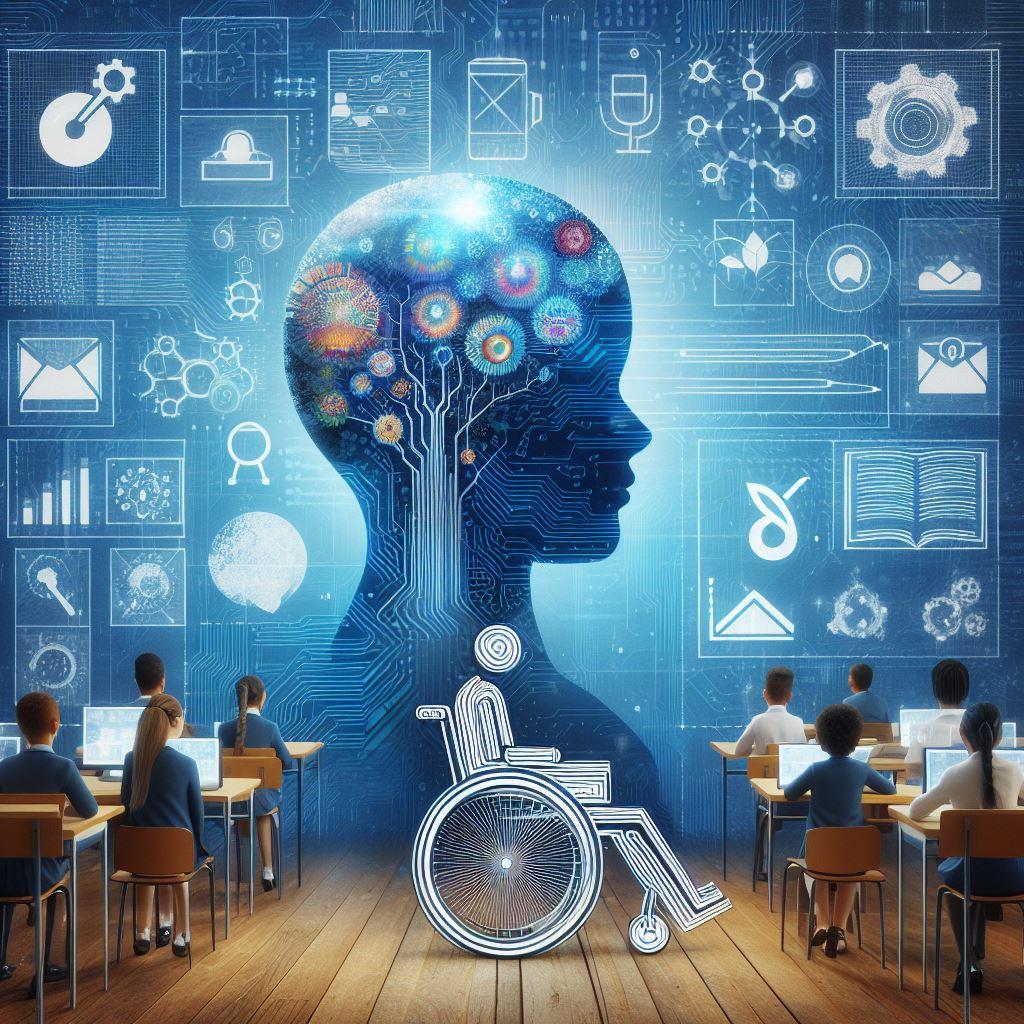
How AI Is Bridging the Gap in Special education Needs: Innovations Transforming Learning
Artificial intelligence (AI) is rapidly reshaping education, but its impact is especially profound in special education. Learn how AI technologies are breaking down learning barriers, empowering students with special needs, and transforming special education for a more inclusive future.
Introduction
For decades, educators and families alike have grappled with the challenge of ensuring accessible, equitable, and effective learning experiences for students with special education needs. Special education demands tailored approaches, individualized support, and innovative tools. Enter artificial intelligence (AI)—a technology uniquely positioned to bridge the special education gap, offering solutions that empower students, parents, and teachers alike.
In this article, we explore how AI is transforming special education, delving into groundbreaking innovations, real-world case studies, the multitude of benefits, and practical tips for embracing these technologies.
AI in Special Education: Key Innovations Transforming Learning
AI-powered solutions are moving beyond one-size-fits-all approaches. Here are the top innovations harnessing AI to support students with special education needs (SEN):
- Personalized Learning Platforms: AI algorithms adapt content, pace, and methods to individual learning styles, needs, and progress, from K-12 to higher education.
- Speech and Language Assistive Tools: Speech recognition, text-to-speech, and language analysis enable greater participation for students with speech impairments or dyslexia.
- Visual and Augmentative Interaction Apps: AI-driven applications convert text to symbols, provide visual feedback, and enable choice communication methods for non-verbal learners.
- predictive Analytics for Early Intervention: Machine learning detects early warning signs of learning challenges, helping educators design timely intervention strategies.
- Sensory-Amiable Virtual Environments: AI customizes virtual classrooms to minimize overstimulation, personalize environments, and accommodate sensory processing disorders.
- Real-Time Translation & Accessibility Features: AI-driven translation and captioning make content accessible to students with hearing impairments and non-native speakers.
Benefits of AI for Special Education Needs
Integrating AI in special education isn’t just about new technology—it’s about fostering equity,empowerment,and a brighter future for all learners. Explore the far-reaching benefits:
1. Personalized Learning Paths
No two students are alike. AI-powered adaptive learning tailors content, activities, and assessments, ensuring each student follows a path suited to thier abilities and goals.
2. Enhanced Accessibility
Students with visual, auditory, or motor impairments gain improved access through AI tools such as screen readers, braille translation, real-time captioning, and voice command interfaces.
3. Empowered Educators
AI provides teachers with data-driven insights, automates routine assessments, and identifies gaps—freeing up more time for meaningful, personalized instruction.
4. Boosted Student Engagement
Gamified AI platforms, interactive simulations, and virtual reality experiences enhance motivation, making learning enjoyable and accessible.
5. Early Detection and Intervention
Predictive models analyse student data, flagging potential challenges and supporting early, evidence-based interventions—crucial for lifelong progress.
Real-World Case Studies: AI Empowering Special Education
Case Study 1: AI-Powered Reading Support at Riverside School
Riverside School, serving a diverse population of learners, implemented an AI reading companion tailored for students with dyslexia and reading difficulties. The platform offered:
- Text-to-speech and speech-to-text functionalities
- Real-time feedback on pronunciation and fluency
- Adaptive questioning to check comprehension and retention
Results: Reading fluency scores improved by 25% within a single semester, and students reported higher reading confidence and engagement.
Case Study 2: Communication Breakthroughs for Non-Verbal learners
Beacon Academy piloted an AI-driven augmentative and alternative communication (AAC) app designed to support non-verbal students with autism. How it helped:
- Machine learning-based symbol selection for faster communication
- Context-aware suggestions,reducing cognitive load
- Voice output tailored to student preference and age
Results: Students became substantially more engaged in group activities,while parents and teachers reported greater ease in daily communications.
First-Hand Experience: Voices from the Classroom
“AI-powered adaptive assessments allow me to spot learning gaps early, so I can design individualized lesson plans—not just for my special education students, but for every learner in the class.It’s not just a tool—it’s a game changer.”
– Sarah M., Special Education Teacher
“Communication used to be a huge barrier for my son, but his AAC app gave him a voice. now, he can tell us what he needs, share his thoughts, and even make jokes. We finally feel connected.”
– Angela R., Parent of a student with Autism
Practical Tips for Schools and Educators Adopting AI in Special Education
- Prioritize Accessibility: Choose AI tools that meet WCAG accessibility standards and can adapt to multiple disabilities.
- Engage Stakeholders: Involve educators, specialists, parents, and students in selecting and rolling out AI solutions.
- Start Small, Scale Up: Pilot a tool with a small group, gather feedback, and incrementally expand based on real-world effectiveness.
- Emphasize Data Privacy & Security: Ensure all AI vendors comply with privacy laws (such as FERPA or GDPR) and offer clear data usage policies.
- Invest in Ongoing Training: Provide teachers and support staff with the resources and professional development needed to maximize AI’s benefits.
Challenges and Responsible AI Use in Special Education
while the promise of AI in special needs education is tremendous, it demands ethical considerations and thoughtful implementation:
- Bias in Algorithms: Ensure datasets are representative and regularly audited to prevent AI bias against marginalized groups.
- Human Oversight: AI must augment, not replace, the human relationships and expertise at the heart of special education.
- Equitable Access: Address the digital divide by providing technology and connectivity to all students, nonetheless of background.
- Continuous Evaluation: Regularly review and adapt AI solutions to ensure they meet evolving educational and accessibility needs.
Conclusion: The Future of Special Education Needs and AI
As AI technologies continue to advance, they offer hope for a more inclusive and personalized future in education. By bridging the longstanding gap in special education, AI is not only transforming the learning experience but also empowering students with special needs to thrive academically, socially, and emotionally.
When thoughtfully implemented, AI can unlock every learner’s potential, regardless of their abilities. The next chapter of special education is here—and it’s more accessible, adaptive, and inspiring than ever before.
Ready to embrace the future? Explore AI-powered special education tools today and be part of the transformation.