
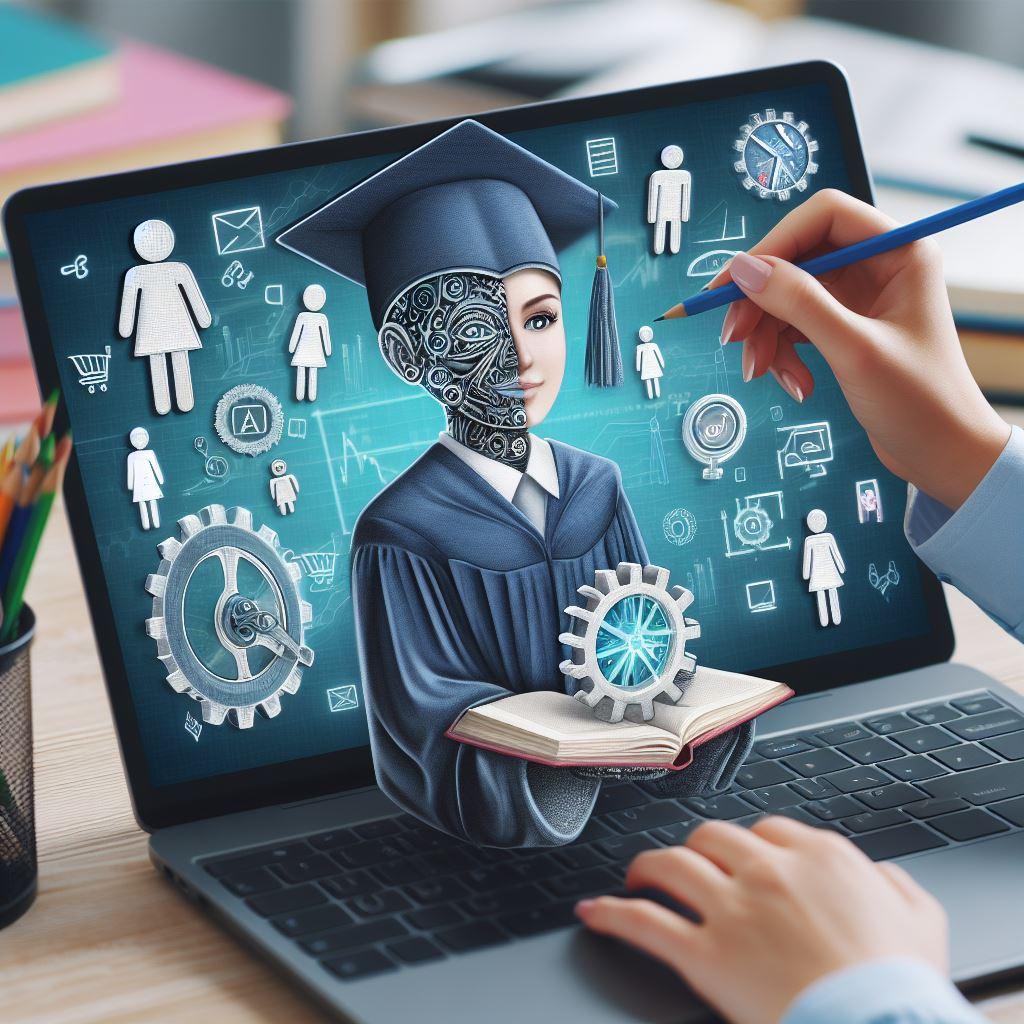
How AI Is Bridging the Gap in Special Education Needs: Revolutionizing Inclusive Learning
In recent years, artificial intelligence (AI) has become a game-changer in many sectors, and education is no exception. For students wiht special education needs (SEN), AI is not just a buzzword—it’s a powerful tool reshaping the educational experience. How is AI bridging the gap in special education? this article explores how AI-driven technologies are revolutionizing inclusive learning, promoting equity, and unlocking brighter futures for all learners.
The Evolution of Inclusive Learning and Special Education
Inclusive learning aims too ensure every student, nonetheless of their abilities or disabilities, receives a high-quality education tailored to their needs.Traditionally, special education relied heavily on one-on-one support from educators and specialists. While effective,this approach frequently enough stretched resources thin and limited personalized interventions.
Today, the integration of AI in special education is transforming this landscape. With adaptive technologies and bright software,students with diverse learning needs receive more customized support than ever before.
How AI Is Transforming Special Education Needs
Let’s dive into the multifaceted ways Artificial Intelligence is driving positive change in inclusive classrooms and special needs education:
- Personalized Learning Paths: AI-powered platforms analyze students’ strengths, weaknesses, and learning styles to deliver lessons and exercises tailored to individual needs, allowing every child to progress at their own pace.
- Real-Time Feedback and Assessment: Machine learning algorithms can monitor student performance and provide immediate, targeted feedback.This continuous assessment helps educators adjust instruction instantly.
- Assistive Technologies: Speech recognition, text-to-speech, and AI-driven interaction tools help non-verbal students, those with dyslexia, or visual impairments access curriculum content independently.
- Behavioral and Emotion Recognition: AI can analyze facial expressions, voice tones, or interaction patterns to detect signs of frustration, excitement, or confusion, enabling timely interventions.
- Collaboration & Accessibility: Advanced AI tools, such as automated captioning and multi-language translation, make learning resources more accessible to students with different backgrounds and needs.
Key Benefits of AI in Inclusive Learning Environments
AI-enabled solutions are opening doors for students with special education needs in several transformative ways:
1. Empowerment Through Customization
- every learner receives resources and assignments suited to their abilities.
- Reduces frustration and builds confidence among SEN students.
2. Supporting Educators
- AI automates administrative and assessment tasks, giving teachers more time for individualized attention.
- Predictive analytics help educators anticipate learning challenges and proactively address them.
3. Fostering Independence
- AI tools encourage students to engage with learning materials at their own pace, fostering self-reliance.
- Assistive technology empowers non-verbal or mobility-impaired learners to communicate and participate actively.
4. Ensuring Equity and Inclusivity
- AI helps bridge gaps for students from various backgrounds, ensuring equitable access to quality instruction.
- Language barriers, physical disabilities, or cognitive challenges are less likely to impede learning progress.
Real-Life Case Studies: AI in Special Education
The success stories of AI in special education are both inspiring and informative. Below are a few standout examples:
AI-Powered Reading Companions for Dyslexia
In the United States, several school districts have adopted platforms like microsoft’s Immersive Reader. this AI-driven reading tool converts text into audio, highlights syllables, and breaks down sentences for better comprehension, offering significant improvements for students with dyslexia.
Speech-to-Text Solutions for Non-Verbal Students
Tools like Google’s Speech Recognition API are being used to help non-verbal children communicate more efficiently. One notable case involved a student with cerebral palsy who could express complex needs and participate in class discussions using an AI-supported device.
AI-Based Early Intervention for Autism
Startups like rethink Ed are integrating AI in early intervention programs for autism. Their platforms use artificial intelligence to track social and emotional cues, delivering personalized activities that promote key skills.
First-Hand Experience: Educators’ and Learners’ Perspectives
Many teachers express excitement about AI’s potential to alleviate burnout and meet diverse needs, but also emphasize the importance of thoughtful implementation. consider these insights from the frontlines:
“Using AI tools in my inclusion classroom has allowed me to give each student the attention they need, even when working with large groups.”
— jessica M., Special Education Teacher, UK
“I love that AI lets me learn at my own speed.I don’t feel left behind anymore.”
— Samir, 12, SEN Student
Practical Tips for Implementing AI in Special Education
Adopting AI in inclusive learning environments can seem daunting. Here are actionable steps for schools,educators,and parents:
- Start Small: Introduce one AI tool at a time,such as a reading assistant or speech-to-text application.
- Focus on Accessibility: Choose solutions certified for accessibility and compatibility with existing assistive devices.
- Train Staff and Students: Ongoing professional advancement ensures everyone benefits from new technologies.
- engage Parents/Guardians: Keep families informed and involved in the integration of AI, ensuring transparency and ethical use of data.
- Monitor Outcomes: Regularly assess the effectiveness of AI tools and adjust strategies based on evidence and feedback.
Ethical Considerations & Challenges
While AI holds immense promise, stakeholders must address potential concerns:
- Data Privacy: Ensure student information is secure and complies with data protection regulations.
- Bias and Equity: Guard against algorithmic bias by using diverse datasets for training AI models.
- Human Touch: AI should complement—not replace—the empathy, expertise, and intuition of skilled educators.
The Future of AI and Inclusive Education
As AI technologies continue to evolve, their role in transforming special education needs will expand, leading to even more inclusive, responsive, and effective learning environments. Expect to see advances in natural language processing, adaptive curriculum design, and personalized assessment tools.
By fostering partnerships between technology firms, educators, and advocacy groups, the education sector can ensure AI-powered solutions are accessible, affordable, and adaptable to any classroom’s unique needs.
Conclusion: Embracing AI as an Ally in Inclusive Learning
AI is rapidly bridging the gap in special education needs, redefining what’s possible within inclusive learning environments. By personalizing education, enhancing communication, and empowering both teachers and learners, AI is setting the stage for a more equitable future.
While challenges remain, thoughtful adoption and ongoing collaboration between stakeholders will ensure that AI serves as a powerful ally for every student, regardless of their abilities. The revolution in special education is here—and its potential is boundless.