
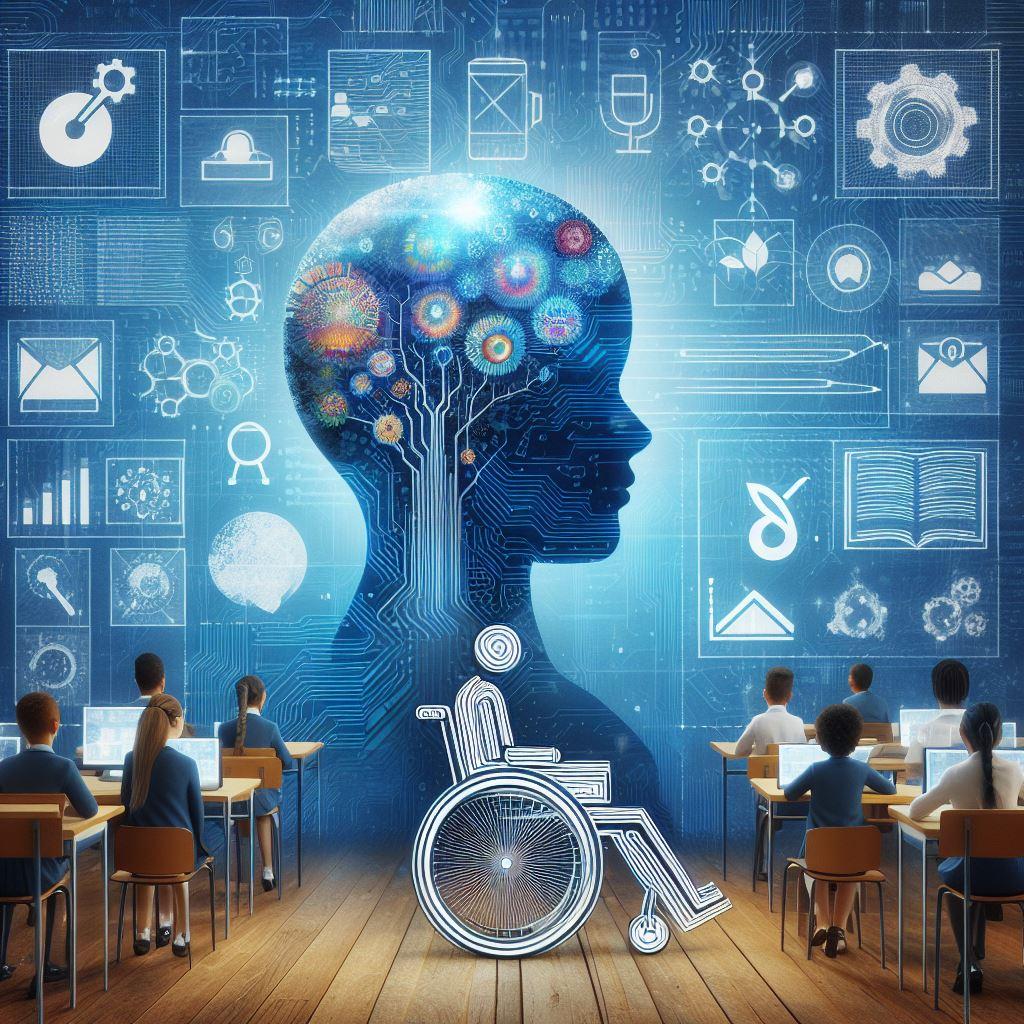
How AI Is Bridging the Gap in Special Education Needs: Transforming Learning and Support
Introduction
Special education has long faced challenges in providing individualized support to diverse learners. The emergence of Artificial Intelligence (AI) in special education is transforming the landscape—enabling personalized learning,improving accessibility,and offering innovative support for students with special educational needs (SEN). Whether it’s through adaptive learning platforms, speech recognition tools, or custom communication devices, AI is bridging the gap for students, educators, and caregivers. In this article, we’ll explore how AI is revolutionizing special education, examine real-world case studies, outline key benefits, and share practical strategies for implementation.
AI in Special Education: An Overview
The integration of AI in education technology has opened new avenues for assisting students with learning disabilities, autism spectrum disorders, ADHD, and physical impairments. AI-based applications utilize data, machine learning, and smart algorithms to adapt content and instruction to each learner’s unique needs and pace.
- Adaptive Learning Platforms: Automatically tailor content, questions, and feedback based on the student’s progress and comprehension.
- Speech-to-Text & Text-to-Speech Tools: Help students with reading difficulties, visual impairments, or language disorders communicate and learn more effectively.
- Predictive Analytics: Identify students at risk, gauge the effectiveness of interventions, and inform educators’ strategies.
- Assistive Communication Devices: AI-powered apps and hardware enable non-verbal students to communicate with peers and teachers.
These advancements have improved both academic performance and student engagement, making inclusion in mainstream classrooms more feasible then ever.
Key Benefits of AI for Special Education Needs
The use of AI in special education delivers numerous tangible advantages. Hear are some of the most impactful benefits of AI for SEN learners:
- Personalized Learning Paths: AI algorithms analyze students’ responses, strengths, and challenges, creating tailored learning experiences that maximize retention and growth.
- Enhanced Accessibility: Tools like screen readers, real-time subtitles, and language translation ensure all students can access curriculum materials.
- Instant Feedback: Immediate, constructive feedback enables faster correction of misconceptions, accelerating learning.
- Data-Driven Decision making: Extensive analytics allow educators and parents to monitor progress and adjust support strategies as needed.
- Teacher Support: Automated grading, resource recommendations, and behavioral insights reduce administrative burden and help teachers focus on individual learner needs.
- Increased Confidence & Independence: Adaptive tools enable students to complete tasks independently, boosting self-esteem and encouraging participation.
How AI Is Transforming Learning and Support
To better understand the impact, let’s dive into ways AI is transforming special education:
1. Individualized Education Programs (IEPs)
AI-driven platforms help develop, track, and refine IEPs based on real-time performance data, making the process more dynamic and responsive to each student’s evolving needs.
2. Augmentative and Alternative Communication (AAC)
AI-powered AAC tools interpret gestures, facial expressions, or even eye movements, allowing non-verbal students to communicate effectively and participate in classroom discussions.
3. Support for Emotional and Behavioral Needs
AI systems analyze student behaviour patterns and emotional cues, offering personalized strategies to manage anxiety, attention deficits, and social challenges.
4. Real-Time Classroom Adaptation
Advanced AI applications monitor student engagement and understanding,providing instant adjustments—such as breaking down concepts further or introducing interactive elements.
5. Collaboration with Parents and Caregivers
Secure online dashboards powered by AI keep parents updated on progress and suggest enrichment activities, fostering a holistic support network.
Case Studies: AI in Action for SEN Learners
Let’s look at some real-world examples of AI in special education:
- Microsoft’s Immersive Reader: Used widely in schools, this tool leverages AI to break down complex texts, offer visual cues, and convert written content into speech, helping students with dyslexia and other reading difficulties.
- Lexplore: This AI-powered platform assesses children’s reading ability via eye-tracking and AI analysis, quickly identifying areas of struggle and informing intervention approaches.
- Ghotit Real Writer: designed for students with dyslexia and dysgraphia, this application offers advanced grammar, spelling, and word prediction based on AI, enabling clearer written communication.
- AI Chatbots: Deployed in some inclusive classrooms, AI chatbots answer student questions, practice social conversations, and provide emotional support, fostering independence and social skill development.
Practical Tips: Implementing AI in Special Education Classrooms
Ready to explore AI tools for SEN support? Here are actionable tips for educators, administrators, and caregivers:
- Start Small: Pilot one or two AI-based resources targeting yoru students’ primary needs.
- Invest in Training: Provide ongoing professional development so staff can effectively utilize and integrate AI solutions.
- Prioritize Data Security: Use reputable tools that comply with data privacy laws (such as FERPA, GDPR) to safeguard sensitive student facts.
- Customize and Monitor: Adjust settings and content regularly, and use built-in analytics to monitor progress and adapt teaching strategies.
- Encourage Family Involvement: Share access to dashboards and resources with parents, encouraging a consistent support system across school and home.
- Focus on Accessibility: Ensure chosen resources support varied access needs—speech recognition, magnification, high-contrast text, etc.
Challenges and Considerations
While the potential is immense, implementing AI in special education isn’t without hurdles:
- Digital Divide: Not all schools or families have equal access to technology and reliable internet.
- Training Gaps: Effective use of AI tools requires ongoing training and support.
- Bias and Data Limitations: AI models can reflect biases present in training data and may not account for cultural and linguistic diversity.
- Over-reliance Risk: AI should complement—not replace—the human connection and expertise of special education teachers.
Addressing these challenges requires thoughtful implementation, inclusive design, and continuous evaluation.
Conclusion
The intersection of AI and special education heralds a new era of possibility for students with diverse learning needs. Through personalized learning, adaptive technologies, and smart support systems, AI is breaking down barriers, enhancing confidence, and enabling all students to reach their full potential. As educators, families, and technologists continue to collaborate and innovate, the future of special education looks brighter and more inclusive than ever.
By thoughtfully leveraging AI-powered tools and platforms, schools can empower learners of every ability, truly bridging the gap in special education needs and transforming lives in the process.