
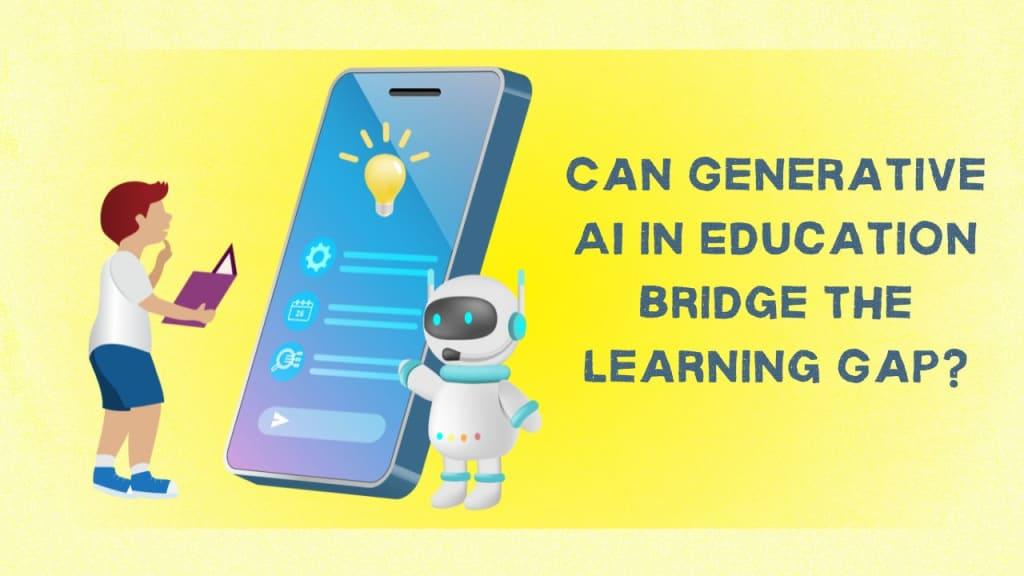
How AI Is Bridging the Gap in Special Education Needs: Transforming Learning for All
The integration of Artificial Intelligence (AI) is revolutionizing every aspect of modern life, and education is no exception.In particular, AI in special education has emerged as a transformative force, helping educators create more inclusive, accessible, and tailored learning experiences for students with Special Education Needs (SEN). From smart tutoring systems to speech recognition tools, AI-powered technologies bridge gaps and empower all learners—irrespective of their abilities.
Understanding Special Education Needs and the Role of AI
Special Education Needs refer to learning difficulties or disabilities that make it harder for students to learn compared to their peers. These can span physical, intellectual, emotional, or cognitive challenges. Customary approaches often struggle with personalization, scalability, and the complexities of individualized care. Here’s where AI in special education comes into play.
- AI solutions can personalize lesson content for diverse abilities.
- They automate labor-intensive tasks like progress tracking or adaptive assessments.
- AI-powered systems support educators to better meet individual student goals and outcomes.
Key Benefits of AI in Special Education
Employing artificial intelligence for special needs education brings powerful advantages. Let’s examine some of the top benefits of AI in special education:
1. Personalized and Adaptive Learning
- Individualized Instruction: AI analyzes performance data to personalize lesson plans, assignments, and assessments. This helps address specific learning gaps or strengths.
- Real-Time Feedback: AI systems provide instant feedback, allowing for on-the-spot support, whether a student is experiencing challenges with reading, math, or motor skills.
2. Accessibility for Diverse Learners
- Speech-to-text and Text-to-speech: Students with hearing or visual impairments benefit from AI tools that convert speech to written text and vice versa.
- Alternative Communication: AI-powered augmentative and Alternative Communication (AAC) devices facilitate communication for non-verbal or speech-impaired learners.
3. Empowering teachers and Staff
- Efficient IEP Management: AI can help create, track, and refine Individualized Education Programs (ieps) by automatically collecting learning insights and suggesting targeted strategies.
- Reduced Administrative Burden: Automating routine assessments and reporting lets educators devote more time to direct interaction with students.
4. Fostering Social and Emotional Support
- AI Social Robots: Interactive robots help students with autism or social challenges practice social cues, empathy, and conversational skills in safe, supportive ways.
- Emotional Recognition: some AI apps can detect emotional states from voice or facial expressions, alerting educators when students may need additional support.
Real-World Case Studies: AI in Special Education Success Stories
The following case studies highlight how AI-driven tools are already delivering positive outcomes in schools around the world:
Case Study 1: AI Reading Assistants Boost Literacy
Schools in the United States have piloted AI literacy platforms that assess reading levels and adjust material in real time. Such as, Microsoft’s Immersive Reader breaks down syntax and phonics for students with dyslexia, enabling autonomous reading and comprehension. The result? Higher reading fluency, confidence, and academic success, especially among students with diagnosed learning disabilities.
Case Study 2: Autism & Social Skills Robots
In Japan, the NAO Robot has been deployed in special needs classrooms to help children with autism spectrum disorders. These robots model appropriate social behaviors and provide a non-judgmental space for practice,leading to observable improvements in communication,collaboration,and social understanding.
Case Study 3: AI-Powered assessment tools in the UK
Some British schools utilize AI-based assessment systems to monitor learning progress. The technology helps educators tailor teaching for students with ADHD and cognitive impairments, ensuring interventions are timely and effective.
Practical Tips for Implementing AI in Special Education
Successfully integrating AI in special education involves careful planning,collaboration,and ongoing evaluation.Here are some practical tips for educators, administrators, and parents:
- Start Small: Pilot AI tools in one subject or classroom before scaling up.
- Engage Stakeholders: Involve students, families, and staff in selecting and adapting AI platforms.
- Prioritize Data Privacy: Choose solutions compliant with student data protection laws (like FERPA and GDPR).
- professional Advancement: Invest in ongoing training for teachers to use AI effectively.
- Monitor Progress: Regularly assess how AI interventions affect student outcomes, and be willing to adapt.
- Accessibility First: Ensure all tools meet accessibility guidelines so students of all abilities can benefit.
First-Hand Insights: Special Educators and AI
“Using AI-powered reading apps changed the game for my students with dyslexia. The personalized pace and immediate feedback built both their skills and their confidence.”
— Maria Lo, Special Education Teacher, California
“Robotic social partners allowed my students with autism to practice conversations without fear. We saw a huge reduction in anxiety during peer interactions.”
— James Barnes, Autism Support Specialist, London
Overcoming challenges and Ensuring Equity
While the promise of AI in special education is vast, several challenges remain:
- Digital Divide: Not all communities have equal access to technology or high-speed internet.
- Bias in AI Algorithms: AI systems must be carefully tested to ensure they don’t amplify existing inequalities.
- Human Touch: AI should enhance—not replace—the personal relationships and expertise of educators.
To ensure equitable benefits,policymakers,educators,and industry leaders must collaborate on ethical AI design,accessible deployment,and regular outcome monitoring.
The Future of AI in Special Needs Education
As AI technologies continue to evolve, so will their capacity to support learners with special needs. Emerging fields like emotion AI, virtual reality, and multimodal learning analytics promise even more personalized, engaging, and effective experiences for students who have historically faced significant educational barriers.
- Greater global access to assistive technology via affordable digital platforms.
- Increasing use of multilingual AI tools for diverse communities.
- Continuous innovation in adaptive learning and classroom robotics.
Conclusion: AI Is Creating More Inclusive Classrooms
Artificial intelligence is bridging the gap in special education needs by providing tailored support, opening up communication, and removing barriers to learning. While challenges remain, the collaboration between technology and human educators is paving the way for truly inclusive classrooms—where every learner, no matter their abilities, can flourish.
As we move forward, embracing AI in special education is not just about technology; it’s about creating a more equitable and empowering future for all students.