
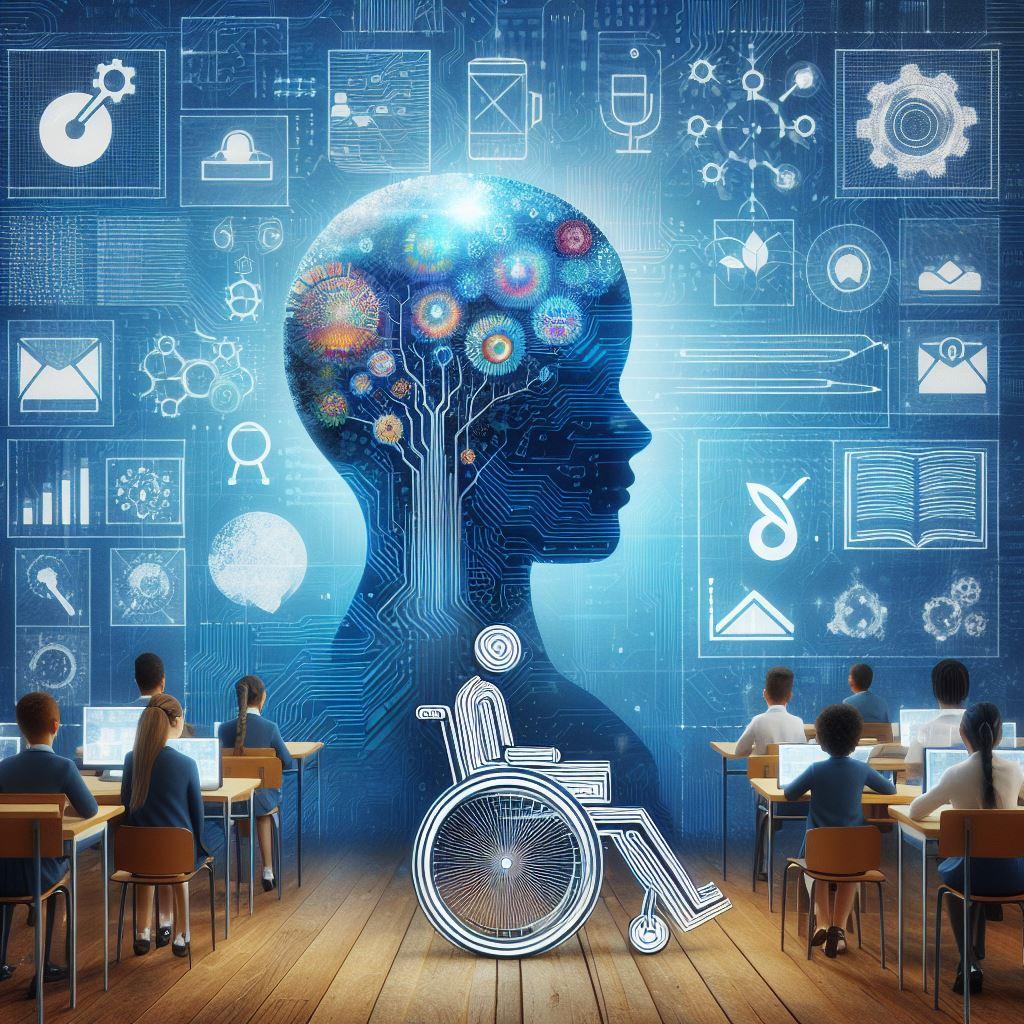
How AI Is Bridging the Gap in Special Education: Transforming Support for Diverse Learning Needs
Keywords: AI in special education,artificial intelligence,diverse learning needs,inclusive education,assistive technology,personalized learning,education technology
introduction: The Dawn of AI in Special Education
Special education has always sought innovative ways to support students with diverse learning needs. the integration of artificial intelligence (AI) in special education marks a seismic shift in personalized learning, accessibility, and inclusive education. Today, educators, parents, and students are witnessing AI bridging the gap in special education, enabling tailored support and optimized teaching strategies that empower every learner to thrive, irrespective of their abilities.
Understanding the Challenges in Special Education
For decades, special education faced importent hurdles:
- Limited access to specialized resources
- One-size-fits-all teaching approaches
- Insufficient time for personalized instruction
- Barriers in communication for students with complex needs
- Lack of real-time progress monitoring
These challenges often lead to learning disparities and hinder the potential of students with disabilities. AI-powered education technology is now transforming these longstanding obstacles into opportunities for equity and inclusion.
How AI Is Transforming Support for Diverse Learning Needs
AI in special education leverages smart algorithms,natural language processing,and machine learning to personalize educational experiences. Here’s how:
Personalized Learning pathways
AI analyzes each student’s strengths,weaknesses,and learning preferences. With this data, educational platforms can:
- Create individualized lesson plans
- Adjust the difficulty and delivery of content in real-time
- Provide targeted feedback and adaptive exercises
Intelligent Assistive Technologies
Modern assistive tools use AI to support students with physical, sensory, or cognitive disabilities:
- Speech-to-text and text-to-speech technology for students with dyslexia, visual impairments, or speech difficulties
- AI-powered communication devices for non-verbal students
- Automated captioning and language translation for diverse classrooms
Enhanced Access and Inclusivity
AI-driven platforms can break down barriers in conventional learning environments, ensuring greater access for all:
- Multi-modal content (visual, auditory, and interactive formats)
- Real-time translation and transcription
- Language customization to match student needs
Real-time progress Monitoring and Early Intervention
Machine learning algorithms continuously track student performance, quickly identifying areas of struggle. This enables:
- Timely, data-driven interventions
- Actionable insights for teachers and caregivers
- Ongoing measurement of individual learning growth
Key Benefits of AI-Powered Special Education Tools
- Increased Personalization: Students receive instruction tailored to their unique learning profile.
- Improved Independence: Accessible tools help students work autonomously, enhancing self-confidence and motivation.
- Teacher Support: AI automates administrative tasks, analyzes data, and provides insights, freeing educators to focus on meaningful interactions.
- Scalability: AI bridges resource gaps, making specialized instruction more accessible to schools facing teacher shortages.
- Equity and Inclusivity: All students, regardless of ability, have equal access to high-quality education experiences.
Case Studies: Real-World Impact of AI in Special Education
AI Enhances Reading Interventions
At a primary school in California, AI-powered reading software helped students with dyslexia improve reading fluency. Teachers reported:
- 40% betterment in reading scores after one semester
- Increased engagement through gamified, adaptive content
- Ongoing personalized feedback for parents and educators
Supporting Communication for Non-Verbal Students
Using AI-driven Augmentative and Option Communication (AAC) devices, a special education classroom in Texas enabled non-verbal students to express complex needs and emotions, resulting in:
- Enhanced participation in classroom activities
- Greater independence in daily tasks
- Stronger relationships with peers
Reducing the Achievement Gap
A large urban school district implemented an AI-based learning management system. Among students with learning disabilities:
- Math and literacy scores improved by 28% over one year
- Dropout rates decreased as students accessed tailored support
- Teachers gained more time for one-on-one interventions
Practical Tips: Integrating AI in Special Education Classrooms
For educators and parents considering AI-powered solutions, here are some practical steps:
- Start with a needs assessment: Identify specific challenges faced by your student(s) to select the right technology.
- Pilot new tools: Implement AI applications gradually, seeking feedback from students and staff.
- Provide training: Ensure teachers and aides receive professional development on both AI software and assistive devices.
- Monitor progress: Use AI-generated data and reports to make informed instructional decisions and interventions.
- Prioritize privacy and security: Choose platforms with robust data protection measures and clear consent practices.
addressing Challenges and Ethical Considerations
While AI in special education offers unprecedented benefits, it’s not without its challenges:
- Data privacy concerns: Safeguarding student information is essential.
- Accessibility gaps: Not all families can afford the latest devices or internet access.
- Bias in algorithms: AI tools must be transparent and validated for diverse student populations.
Continued collaboration between developers, educators, and advocacy groups is key to ensuring that AI-powered tools are equitable, reliable, and ethically designed.
First-Hand Experience: Voices from the Classroom
“After introducing AI-powered reading aids,I noticed my students not only read more fluently but also eagerly participated in class discussions. Every child felt seen and supported. For the first time, I had data at my fingertips that truly matched each student’s journey.”
– Mrs. L. greene, Special Education Teacher
“AI apps allowed my son, who is non-verbal, to communicate his thoughts at school and at home.It’s opened a new world for our family.”
– Parent of a 2nd-grade student
Conclusion: The Future of Special Education with AI
AI is catalyzing a future where special education is synonymous with personalization, inclusion, and empowerment. By bridging the gap and transforming support for diverse learning needs, AI-driven tools unlock the full potential of every learner, providing students and educators with resources they’ve long deserved. as artificial intelligence continues to evolve, an unwavering commitment to equity, ethics, and collaboration will ensure that special education remains a beacon of hope and innovation for generations to come.