
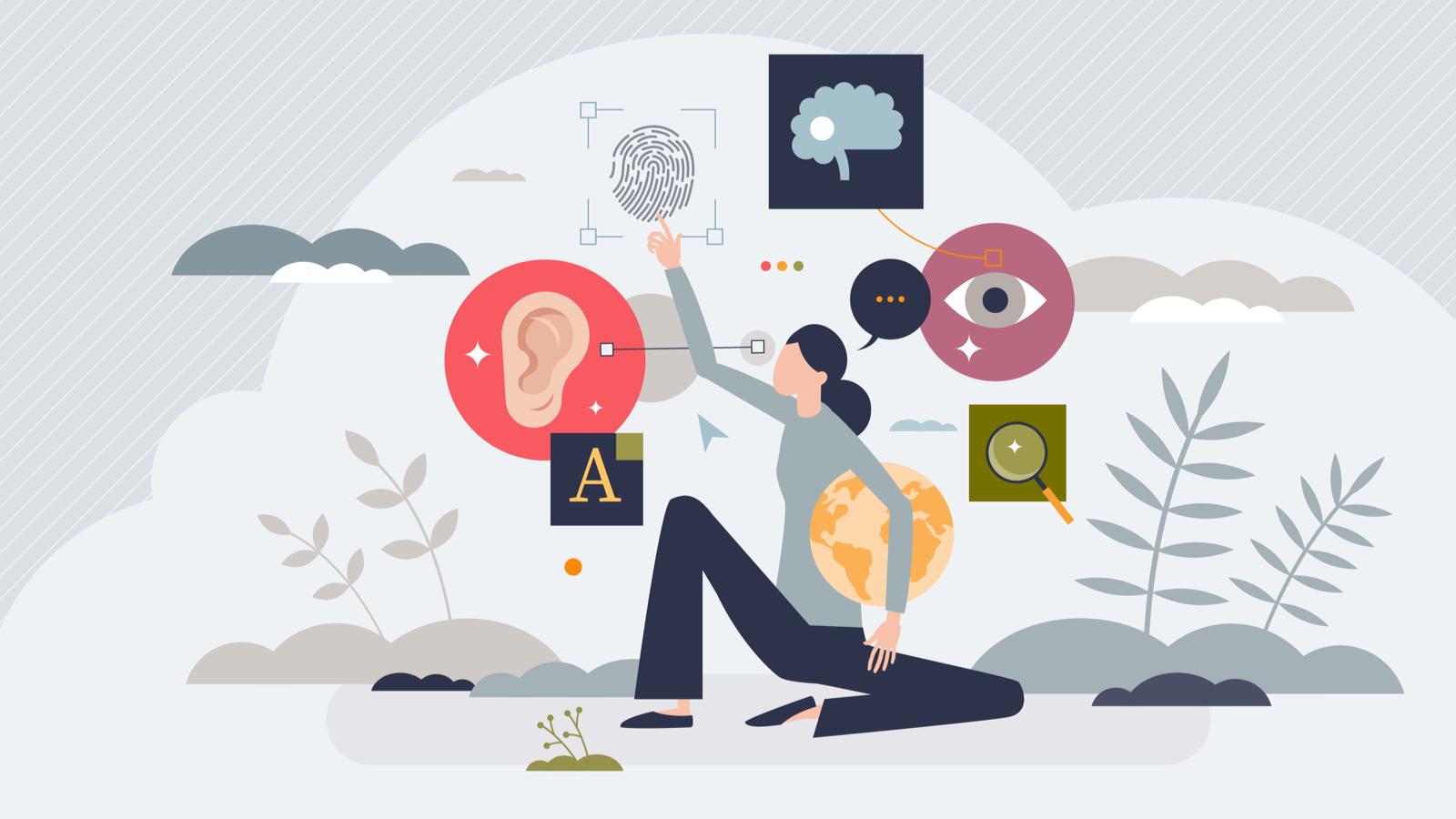
How AI is Bridging the Gap in special Education: Transforming Support for Learners with Special Needs
In the rapidly evolving world of educational technology,Artificial Intelligence (AI) is emerging as a powerful force,redefining what’s possible in classrooms worldwide. Nowhere is this change more impactful than in the realm of special education. Today, AI is bridging the gap for students with a diverse range of learning needs, enabling tailored educational support, increasing accessibility, and driving equity like never before.
In this thorough article, we’ll explore how AI is transforming support for learners with special needs, the key benefits it offers, real-world case studies, and practical tips for educators and parents invested in embracing this technological revolution.
understanding the Challenges in Special Education
For decades, special education has grappled with the challenge of meeting the unique requirements of students with disabilities, ranging from autism spectrum disorder and dyslexia to physical impairments. conventional approaches often fall short in personalizing instruction, leading to inconsistent progress and disengagement. Teachers are stretched thin by large class sizes and limited resources, which makes it difficult to offer individualized attention.
As these challenges grow increasingly complex, the need for innovative tools to support both educators and learners is more urgent than ever. This is where AI in special education is making a real difference.
How AI Is Transforming Special Education
From adaptive learning platforms to smart communication aids, AI-powered tools are reshaping the landscape of special education. here’s how:
- Personalized Learning: AI algorithms can identify each student’s strengths, weaknesses, and learning style to deliver customized lessons, providing ongoing, real-time adjustments.
- Accessibility Innovations: voice recognition, text-to-speech, and visual recognition tools ensure that students with physical, sensory, or communication disorders can participate more fully in educational experiences.
- Predictive Analytics: Educators gain insight into behaviors, engagement, and likely learning obstacles, helping them proactively intervene for students at risk of falling behind.
- Adaptive Assessment Tools: AI-driven assessments enable students to demonstrate understanding in a manner aligned with their unique abilities, providing fairer and more meaningful evaluations.
- 24/7 Support: AI chatbots and digital assistants facilitate continuous learning outside traditional classroom hours, answering questions and offering guidance anytime, anywhere.
Key Benefits of AI in Special education
The integration of AI in special education delivers powerful benefits for all stakeholders. These include:
For Teachers
- Reduced administrative workload through automated grading and progress tracking
- Actionable data to better tailor lesson plans and interventions
- More time for direct interaction and relationship-building with students
For Students
- Learning experiences adapted to their individual needs and pace
- Greater independence and confidence through intuitive, accessible interfaces
- More engaging content presented in multiple formats (videos, interactive simulations, etc.)
For Parents
- Insight into student progress and areas for support
- Enhanced collaboration with teachers and specialists
- Peace of mind knowing their child’s unique needs are being met
Real-World Case Studies: AI Making a Difference
Several pioneering programs and tools illustrate how AI is already transforming special education:
1. AI-Powered Speech Therapy Platforms
Tools such as LinguaSys and Voiceitt harness AI to assist children with speech impediments. These platforms analyze vocal patterns,offer personalized exercises,and provide instant,gentle feedback,making therapy more approachable and effective.
2. Machine Learning for Early Detection
AI-driven screening platforms are helping identify learning disabilities like dyslexia at a much earlier stage,allowing for timely intervention and support that can change the trajectory of a student’s education.
3. Virtual Classroom Assistants
AI chatbots are being deployed in inclusive classrooms to answer student queries,clarify instructions,and even translate material into sign language or choice formats,ensuring that no student is left behind.
First-Hand Experience: A Teacher’s Viewpoint
“Integrating AI into my classroom has been a game-changer for my students with special needs. For example, an adaptive learning app helped one of my students, who struggles with reading comprehension, make significant progress by presenting content in a format he could easily process. Plus, the automated progress tracking frees up time so I can focus on building meaningful connections.”
— Ms. Emily Carter,Special Education Teacher
Practical Tips for Embracing AI in Special Education
- Research AI Tools: Not all AI platforms are created equal—choose ones designed with special education in mind,and check for testimonials or case studies involving learners with special needs.
- Start Small: pilot a single tool or feature with a group of students, gather feedback, and scale up based on results and comfort level.
- Involve All Stakeholders: Engage parents, specialists, and students in the selection and implementation process to foster buy-in and maximize impact.
- Prioritize Data Privacy: Ensure that the AI solutions you choose comply with FERPA and other privacy regulations to protect sensitive student information.
- Continuous Professional Development: Attend workshops, webinars, and training sessions to stay updated on the latest advancements and best practices in AI for special education.
Common Concerns and Future Outlook
Embracing technology in special education is not without it’s concerns. Issues such as data privacy, potential bias in AI algorithms, and the digital divide can create new barriers if not addressed thoughtfully. However, ongoing collaboration between educators, technologists, and policy-makers is paving the way for ethical and effective AI integration.
As machine learning and natural language processing continue to advance, the future promises even more powerful and inclusive tools—such as immersive VR learning environments, emotion AI for social skills, and accessible curriculum design for all abilities.
Conclusion: Bridging Barriers, Unlocking Potential
AI in special education is more than a passing trend; it’s a transformative movement with the power to unlock the full potential of every learner, regardless of ability or background. By embracing these new tools thoughtfully, we can bridge gaps, foster inclusion, and ensure every child receives the support and chance they deserve.
As we look to the future, one thing is clear: the integration of artificial intelligence in special education is not just closing the accessibility divide—it’s creating a richer, more equitable educational experience for students, teachers, and families alike.