
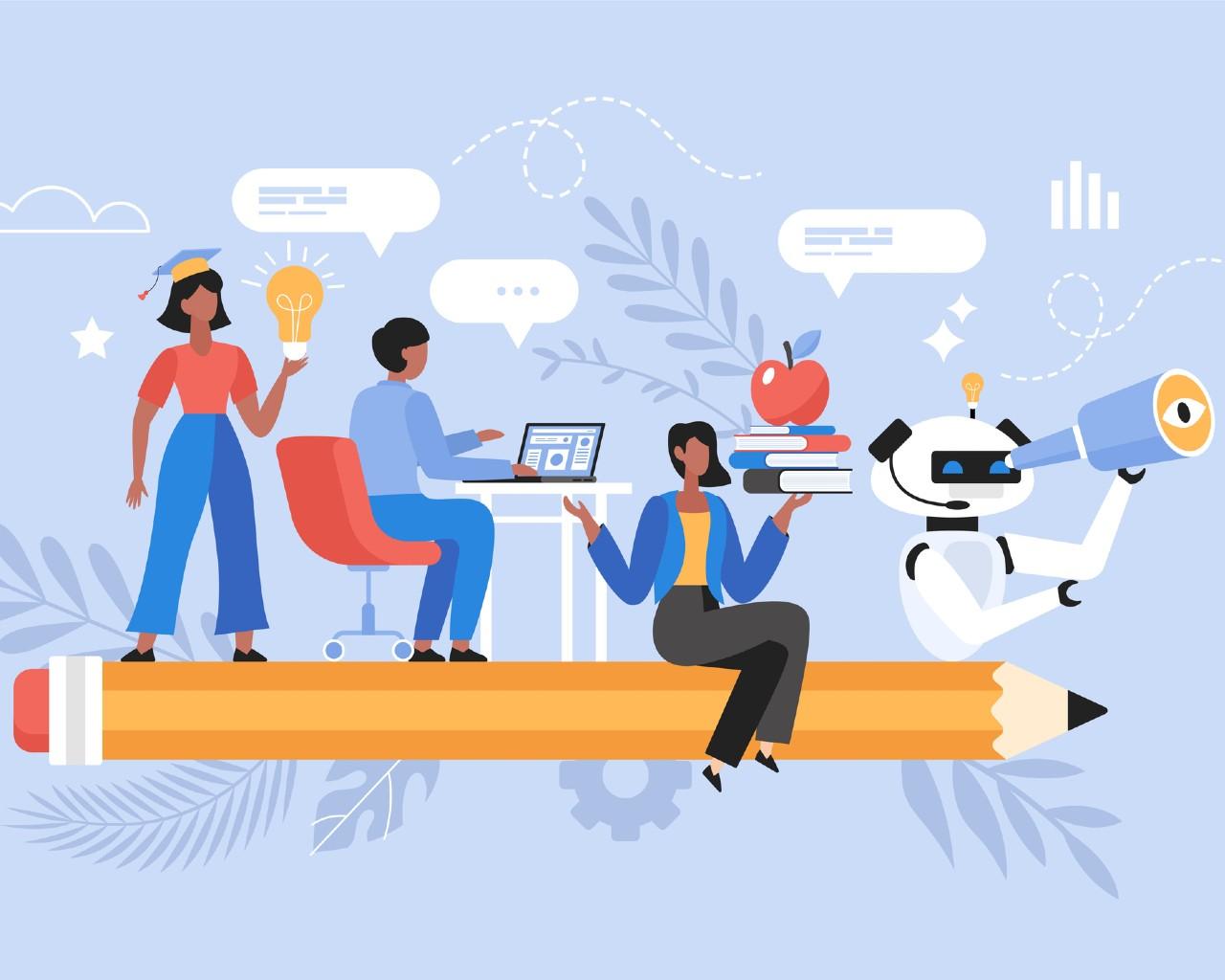
How AI Is Bridging the Gap in Special Education: transforming Support for Unique Learning Needs
Special education has long grappled with the challenge of meeting the diverse needs of students with unique learning requirements. In recent years, advances in artificial intelligence (AI) have opened new frontiers. AI-powered tools are now transforming special education, offering tailored support, breaking down barriers, and bridging the gap between learners of all abilities. In this article, we explore the ways AI is revolutionizing special education, provide practical tips, share inspiring case studies, and examine the profound impact of this technology on students, teachers, and families.
Understanding the Unique Needs in Special Education
every student deserves effective, personalized learning, but many conventional classrooms struggle to support kids with:
- Autism Spectrum Disorder (ASD)
- Dyslexia and other learning disabilities
- Attention Deficit Hyperactivity Disorder (ADHD)
- Cognitive, sensory, or physical impairments
- Emotional and behavioral challenges
Each learner’s educational journey is unique. Meeting these complex needs requires adaptable solutions—exactly where AI comes into play.
How AI Is Transforming Special Education
AI in special education introduces adaptive technologies that are reshaping the way students access and engage with educational content. Let’s spotlight some critical ways AI is bridging the digital and learning divide:
1. Personalized Learning Pathways
- Individualized Instruction: AI-enabled software analyzes each student’s learning style, strengths, and areas for growth to deliver customized lessons and exercises.
- Real-Time Adjustments: As students interact with the material, AI dynamically modifies content difficulty and presentation for optimal understanding.
2. Speech Recognition & Dialog Aids
- Text-to-Speech & Speech-to-Text: These features assist students with dyslexia or speech impairments, enhancing both reading comprehension and expressive communication.
- Augmentative and Choice Communication (AAC): AI-powered apps help non-verbal students communicate through symbols,images,and predictive text.
3. Real-Time Feedback and Progress Tracking
- Automated Assessments: AI-driven analytics instantly assess student responses and provide constructive feedback, saving teachers valuable time.
- Learning Analytics: Teachers and parents can monitor progress and identify skill gaps with easy-to-read AI-generated reports.
4. Behavioral Monitoring and Support
- Emotion Recognition: Advanced AI tools can detect emotional cues via video analysis, alerting educators to stress or disengagement in students.
- Personalized Reinforcements: Gamified elements and rewards encourage positive behaviors and sustained engagement.
key Benefits of AI in Special Education
Embracing artificial intelligence in special education offers unparalleled advantages for learners, educators, and parents alike:
- Equity and inclusion: AI breaks down barriers, making learning accessible to students regardless of their challenges.
- Increased Engagement: Gamified content, interactive lessons, and custom feedback maintain interest and motivation.
- Teacher Efficiency: AI automates routine assessments, freeing teachers to focus on relationship-building and hands-on support.
- early Intervention: By identifying learning difficulties sooner, AI enables earlier, more effective interventions.
- data-Driven Insights: Educators and parents gain valuable, ongoing insights into a child’s strengths and needs.
Practical Tips for Integrating AI in special Education Classrooms
ready to harness the power of AI in your special education setting? Here are practical strategies to ensure seamless, effective integration:
- Start Small: Pilot one or two AI-powered tools that address your students’ key challenges before expanding.
- Involve All Stakeholders: Collaborate with therapists, parents, and IT staff for smooth adoption and ongoing support.
- Prioritize Accessibility: Choose platforms that comply with global design for learning (UDL) and accessibility standards.
- Train educators: Provide ongoing professional growth on AI technologies to empower teachers and support staff.
- Customize Content: Leverage AI’s adaptability to create materials matched to specific IEP (Individualized Education Program) goals.
- Monitor & Adjust: Regularly assess the effectiveness of AI solutions and adapt as student needs change.
AI success Stories in Special Education
Across the globe, schools and individual learners are seeing remarkable outcomes consequently of AI integration in special education. Here are a few inspiring case studies:
Case Study 1: AI-Powered Reading Assistance at Green Valley School
Green Valley school,serving students with dyslexia,deployed an AI-based reading app. Within one semester:
- Reading comprehension scores improved by 24%.
- Non-verbal students began participating in group discussions via text-to-speech tools.
- teachers reported a 40% reduction in time spent manually grading written work.
Case Study 2: Social Skills AI Robot – “Buddy”
A special education classroom introduced an AI-powered robot named “Buddy” to facilitate social interaction for children with autism spectrum disorder. The results included:
- Noticeable improvements in students’ social engagement and emotional recognition.
- Reduction in classroom incidents related to frustration or overstimulation.
Case Study 3: Custom Math Tutoring via AI Chatbots
At Sunrise Learning Center, AI chatbots provided real-time math support tailored to each student’s pace. Outcomes showed:
- 12% rise in test scores for students with learning disabilities.
- Students reported higher confidence and willingness to attempt challenging problems.
First-Hand Teacher and Parent Perspectives
Teachers and parents have experienced the impact of AI tools firsthand. Here’s what they have to say:
“Using AI-based reading apps has transformed my son’s confidence. He’s finally enjoying books!”
— Laura,Parent of a 10-year-old with dyslexia
“AI helps me track each student’s progress and intervene before issues become roadblocks.”
— Ms. Patel, Special Education Teacher
These testimonials reflect the personalized, measurable benefits that AI delivers to special education communities.
Challenges and Considerations When using AI in Special Education
While the promise of AI in special education is immense, it is important to consider potential challenges:
- Data Privacy and Security: Always ensure student data is stored securely and in compliance with regulations (such as FERPA or GDPR).
- Equitable Access: Work to bridge the digital divide so every student has access to the technology they need.
- Teacher Training: Continual professional development is vital to successful and ethical AI integration.
- Human Oversight: AI should enhance, not replace, the expertise and empathy of educators.
The Future of AI in Special Education
We’re only at the beginning of realizing AI’s full potential in special education. Emerging advances promise:
- Hyper-personalized curriculum development
- Greater use of virtual and augmented reality to build life and job skills
- Improved voice and gesture recognition for non-verbal students
- Automated documentation to streamline IEP reports
As AI evolves, special education classrooms will become even more inclusive and adaptive—empowering every learner to reach their full potential.
Conclusion: Embracing AI for a Brighter, more Inclusive Future
Artificial intelligence is not just a buzzword; it’s a transformative force in special education. By delivering personalized instruction, breaking communication barriers, and equipping students with unique learning needs for success, AI is truly bridging the gap in special education. For educators, parents, and schools willing to embrace these new tools, the possibilities are both practical and inspiring. Let’s continue to harness the potential of AI and build classrooms—and futures—where every learner can thrive.
Are you ready to use AI to transform special education in your community? Start small, stay informed, and join the movement towards a more equitable learning landscape for all.