
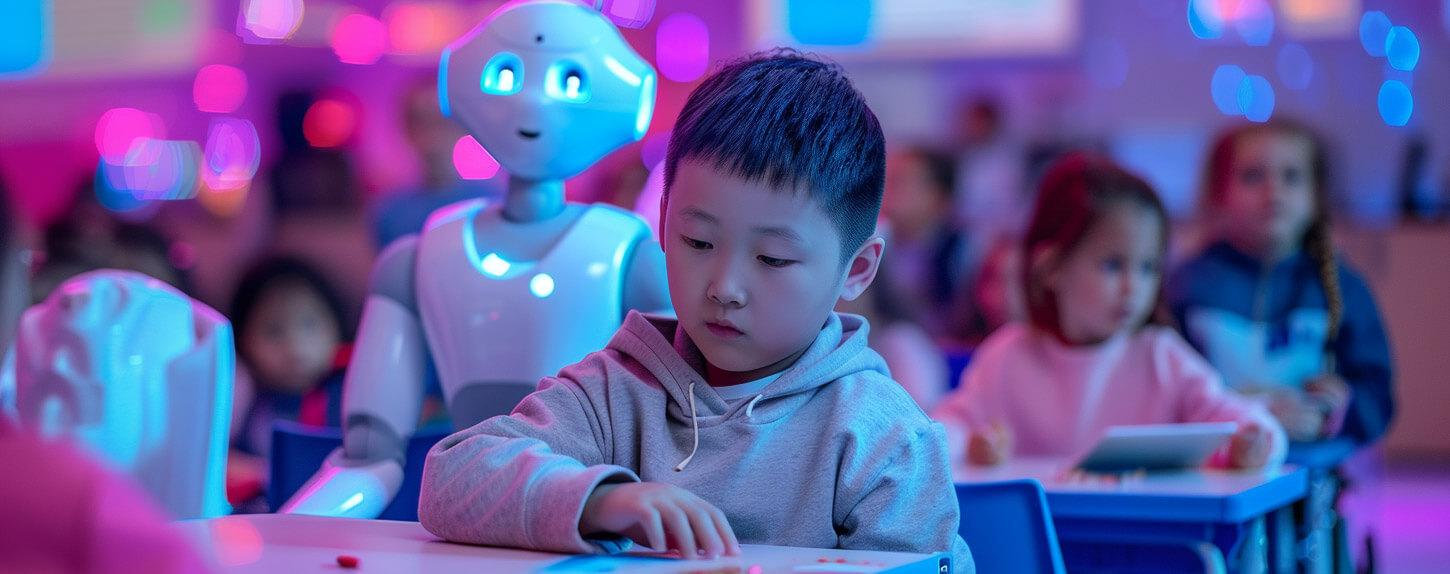
How AI is Empowering Students with Disabilities: Transforming Education and Support
Artificial Intelligence (AI) is revolutionizing many aspects of our daily lives, and education is no exception. For students with disabilities, AI is not just a technological advancement—it’s a lifeline that brings new opportunities, enhanced learning experiences, and personalized support. This article explores how AI is empowering students with disabilities, shedding light on the transformative impact AI is having on accessible education, support systems, and overall student wellbeing.
what Does AI mean for Accessibility in Education?
AI in education refers to the request of machine learning, natural language processing, and other technologies to create tools and systems that adapt intelligently to individual learning needs. For students with disabilities, this means increased accessibility, flexible learning pathways, and real-time assistance that goes far beyond the capabilities of traditional support structures.
The Benefits of AI for Students with Disabilities
- Personalized Learning: AI-powered platforms assess each student’s unique abilities, adapting content and pace for approachable and meaningful learning experiences.
- Assistive Technologies: AI-driven applications provide real-time speech-to-text, text-to-speech, and image recognition, breaking barriers for students with visual, hearing, cognitive, or motor impairments.
- Improved Dialog: AI chatbots and virtual assistants offer 24/7 support, helping students understand tasks, clarify doubts, and stay engaged.
- data-Driven Insights: Teachers and support staff use AI analytics to monitor student progress, predict challenges, and tailor interventions accordingly.
- Inclusive Classrooms: AI fosters environments where differences are recognized, and every learner receives the support they need to succeed.
AI Solutions Transforming Education for Students with Disabilities
Let’s look at some remarkable AI technologies actively transforming the educational landscape:
- speech Recognition & Voice Assistants: Tools like Google Assistant and Apple’s Siri offer hands-free navigation and voice commands,boosting independence.
- Real-Time Translation & Captioning: Platforms such as Microsoft Translator and Google Live Caption enable instant captioning of lessons, video chats, and lectures for hearing-impaired students.
- AI-Powered Reading Tools: applications like Bookshare and Kurzweil 3000 scan and convert books to accessible formats, including audio or braille.
- machine Learning-Based Predictive analytics: Learning management systems use AI to predict when students may struggle, triggering timely interventions or support.
- Virtual Reality (VR) & augmented Reality (AR): Immersive environments create accessible educational settings for students with mobility or sensory challenges, supporting hands-on learning experiences.
- Customized Assessment Tools: AI tailors assessments to match student strengths and accommodates disabilities, ensuring fair and accurate evaluation.
Case Studies: Real-World Impact of AI in Special Education
Learning is not one-size-fits-all, and AI is proving that every learner can thrive. Here are some inspiring case studies:
- AI and Dyslexia: Schools leveraging AI reading apps see remarkable gains in student comprehension and confidence. For instance, the use of ModMath helps students with dysgraphia complete math assignments through touchscreens rather than handwriting.
- Speech-to-text for hearing Impairments: AI-powered captioning tools allow students with hearing disabilities to participate fully in virtual classrooms, lectures, and group discussions, dramatically improving access and reducing isolation.
- Autism and Predictive Analytics: AI systems identifying social cues and patterns are helping children with autism spectrum disorder (ASD) better understand emotional expressions and improve social communication.
- Blind and Low-Vision Learners: AI-enabled devices like OrCam MyEye use computer vision to read documents, recognize faces, and describe surroundings, supporting self-reliant navigation and learning.
Practical Tips: Making the Most of AI in Accessible Education
- Start Small: Introduce simple AI tools like voice-to-text apps, interactive chatbots, or personalized reading software.
- Involve Students: Encourage students to participate in choosing tools that best support their unique learning needs.
- Training & Support: Provide teachers and students with hands-on training to maximize AI effectiveness and ensure comfort with new technologies.
- Emphasize Security and Privacy: Choose platforms that protect sensitive data and respect student privacy, especially for minors and vulnerable populations.
- Monitor Progress: use AI analytics to track student achievements, identify growth opportunities, and adjust strategies as needed.
First-Hand Experience: Voices from the Classroom
Here’s what teachers, students, and experts are saying about the power of AI in accessible education:
“Before integrating AI reading tools, my son struggled with assignments. Now, he feels empowered—he reads, writes, and participates confidently.”
—Parent of a dyslexic student
“Our AI chatbot gives instant feedback and assistance—students with disabilities don’t have to wait for scheduled office hours. It’s a game-changer.”
—Special education teacher
Challenges and Considerations
While AI in special education offers immense promise,it’s crucial to address several challenges:
- Accessibility Gaps: Not all students have access to the latest devices or reliable internet; equitable implementation is key.
- Bias and Fairness: AI systems must be regularly audited to prevent bias in assessment or support processes.
- Teacher Training: Many educators need ongoing training to fully leverage AI tools and accommodate individual student needs.
- Cost and Scalability: Some AI solutions may require investment; scalable strategies and government support can help bridge the gap.
The Future of AI-Driven Disability Support in Education
In the coming years, AI will continue to evolve, bringing greater personalization, smarter data analytics, and seamless integration of immersive technologies. We can expect:
- Advanced customization—even more tailored learning experiences based on individual strengths and needs
- Worldwide device compatibility—AI tools that work across platforms and devices with minimal setup
- Greater teacher/student collaboration—A partnership approach to accessible learning and support
Conclusion: AI is Driving Accessible Education Forward
AI has the potential to make education truly accessible for all, fostering independence, boosting confidence, and supporting academic success for students with disabilities. As schools and families embrace AI-powered solutions, barriers are being dismantled—and every learner is given the tools to flourish. By staying informed,investing in the right technologies,and prioritizing equity,educators and caregivers can help create classrooms where no student is left behind.
The journey of AI empowering students with disabilities is just beginning. With continued innovation, awareness, and collaboration, the future of education will undoubtedly be more inclusive, supportive, and transformative than ever before.
Frequently Asked Questions (FAQ)
- Can AI help students with learning disabilities? Yes! AI can personalize lessons, suggest alternative learning strategies, and assist with reading, writing, math, and social interaction challenges.
- Are AI tools expensive? some are free, while others require investment. Many schools are exploring grants, partnerships, and government programs to support implementation.
- Is student privacy protected? Reputable AI platforms comply with privacy laws such as FERPA and GDPR.Always research and choose trustworthy providers.
- How can parents get involved? Parents can advocate for AI solutions, ask about available resources, and participate in technology training sessions for students and caregivers.
For more in-depth resources, tips, and the latest updates on AI for students with disabilities, be sure to bookmark our site and subscribe to our newsletter!