
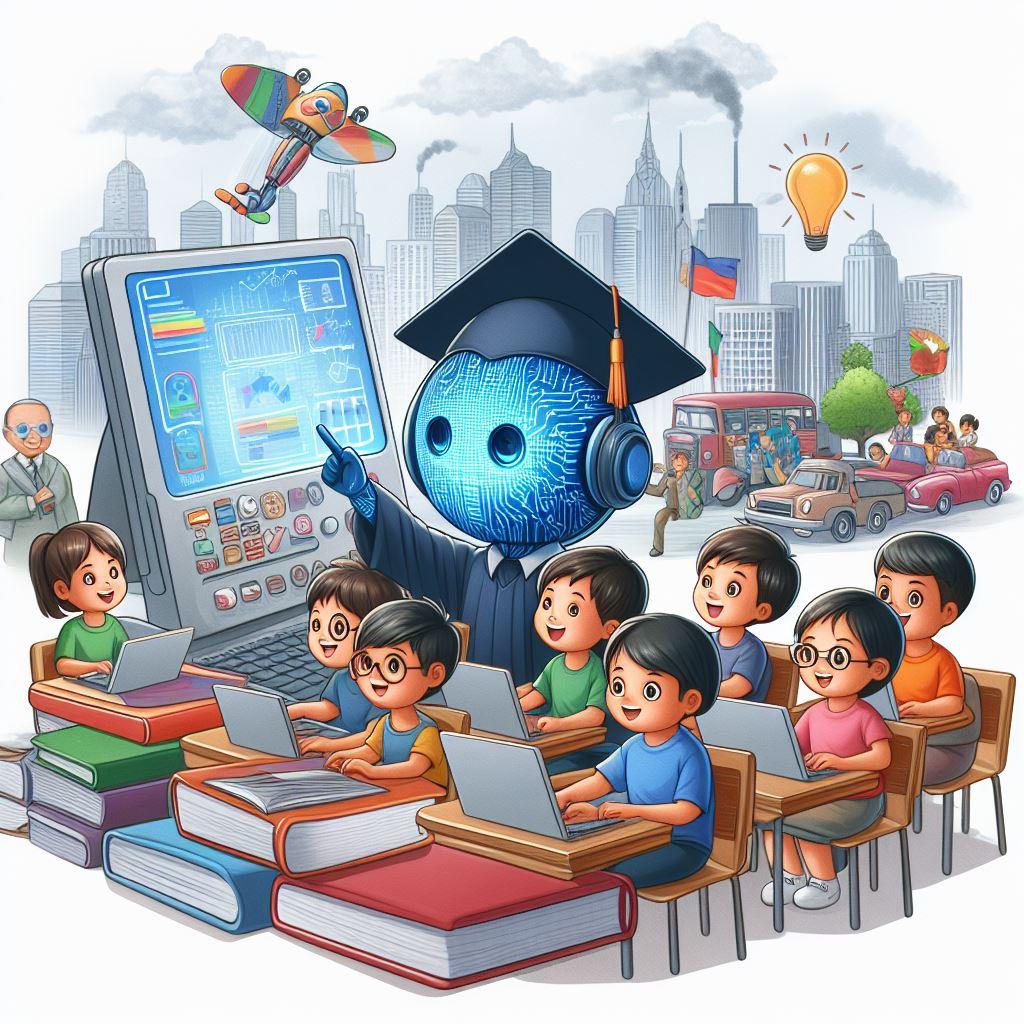
How AI is Empowering Students with Disabilities: Transforming Education Through Inclusive Technology
Artificial Intelligence (AI) is no longer a distant dream—it’s here, reshaping industries and lives. One of the most remarkable transformations is happening in education, where AI is empowering students with disabilities and revolutionizing inclusive technology. With cutting-edge accessibility tools, personalized learning, and smart classroom assistants, the barriers that once hindered disabled learners are crumbling. In this complete guide, we’ll explore how AI-driven solutions are creating more inclusive classrooms, discuss real-world success stories, and offer tips for educators and families to leverage this technology effectively.
Table of Contents
- What is Inclusive Technology?
- How AI Supports Students with Disabilities
- Key Benefits of AI in Inclusive Education
- Real-life Case Studies and Success Stories
- Practical Tips for using AI in Inclusive Classrooms
- The Future of AI in Special Education
- Conclusion
What is Inclusive Technology?
Inclusive technology refers to educational tools and solutions designed to ensure that all students, including those with disabilities, have equal access to learning opportunities.From text-to-speech software to AI-driven personal assistants, these innovations break down barriers, allowing students with visual, auditory, physical, or cognitive impairments to engage fully in their education. The heart of this movement lies in harnessing AI’s power to bring personalization,adaptability,and accessibility to each learner’s experience.
How AI Supports Students with Disabilities
AI technologies are changing how students with disabilities interact with educational content. Here are some remarkable ways AI is driving inclusive technology in classrooms:
- Personalized Learning Plans: Machine learning algorithms analyze a student’s strengths, needs, and learning pace to craft individualized lesson plans and activities.
- Speech Recognition and Conversational AI: AI-powered speech-to-text tools and virtual assistants help students with physical or language impairments to communicate and complete assignments.
- Real-Time Language Translation: For students with hearing or speech disabilities,AI can translate spoken language into sign language or simplified text.
- Image Recognition: Visually impaired students benefit from AI that describes images, objects, or charts aloud.
- predictive Text and Writing assistance: AI can suggest words or correct grammar, assisting students with dyslexia or other cognitive challenges.
- Smart Reading Tools: Text-to-speech and audio books powered by AI offer alternative formats for printed details, supporting different learning styles.
Key Benefits of AI in inclusive Education
AI-driven assistive technologies offer life-changing benefits for students with disabilities. Here’s how they are transforming special education:
- Personalization: Every learner receives tailored instruction to address their specific challenges and strengths.
- Accessibility: Content becomes available in multiple formats—audio, visual, and interactive—enabling engagement regardless of a student’s abilities.
- Independence: AI tools empower students to tackle academic tasks with greater autonomy, building confidence and self-reliance.
- Enhanced Interaction: Students with speech, language, or hearing impairments can express themselves using AI-based augmentative communication devices.
- Data-Driven Insights: Teachers can better monitor student progress with AI analytics, allowing for timely interventions and support.
Did You Know?
According to UNESCO, more than 90% of children with disabilities in developing countries do not attend school. Inclusive technology empowered by AI holds the potential to reverse this stark statistic and unlock the learning potential for millions worldwide.
Real-Life Case Studies and Success Stories
Implementing AI in inclusive education isn’t just theory—it’s changing lives in classrooms across the globe. Let’s look at a few inspiring examples:
Microsoft’s Seeing AI App
The Seeing AI app is an advanced AI-powered tool that helps visually impaired students “see” through their smartphones. The app reads text aloud, describes people and environments, and even identifies currency, enabling users to navigate classrooms and learning materials more independently.
Voiceitt: Empowering Non-Standard Speech
For students with speech impairments, Voiceitt is a breakthrough AI app that learns and translates non-standard speech into clear communication, facilitating classroom participation and social interaction.
Sara’s Story: Overcoming Dyslexia
“Growing up with dyslexia, school was a daily struggle for me.Thanks to AI-powered reading apps, I can now have any textbook read aloud, adjust the speed to my comfort, and even get explanations for complex concepts. For the first time, I feel included and excited to learn!” – Sara, high school student
Practical Tips for Using AI in Inclusive Classrooms
Ready to embrace AI for students with disabilities in your classroom or home? Here are some practical tips for educators and parents to facilitate a smooth and effective transition:
- Assess Individual Needs: Start by identifying each student’s unique challenges and strengths. Choose AI tools that directly address those needs.
- Pilot and Train: Test new technologies in small groups before wider rollout. Provide comprehensive training for both students and educators to maximize benefits.
- Promote Collaboration: Work closely with special education specialists,therapists,and IT staff to select and implement the right platforms.
- Foster Digital Literacy: Teach all students—including those with disabilities—to use AI responsibly, focusing on digital safety and privacy.
- Gather Feedback: Regularly solicit feedback from students and parents to fine-tune your approach and ensure the technology is truly meeting their needs.
Recommended AI-Inclusive Classroom Tools
- Google Read&Write: Supports reading, writing, and research for students with learning challenges.
- Otter.ai: Provides real-time transcription for students with hearing impairments.
- Microsoft Immersive Reader: Improves reading comprehension and fluency for all learners.
- Khan Academy Kids (with AI personalization): Adapts early learning content for diverse abilities.
The Future of AI in Special Education
The AI revolution in education is just beginning. As machine learning algorithms grow smarter and accessibility technologies become more affordable, we can expect:
- More Customization: Hyper-personalized content delivery, adapting not just to disabilities but to each student’s learning preferences and interests.
- Global Design: Every digital resource will incorporate inclusive features by default, making accessibility the norm rather than the exception.
- Improved Analytics: AI will provide ongoing,granular insights to educators and parents,enabling proactive support and early intervention.
- Greater Awareness: Widespread advocacy will drive adoption and innovation in inclusive technology, ensuring no student is left behind.
Conclusion
AI is transforming classrooms worldwide, empowering students with disabilities and making inclusive education a reality. Through adaptive technology,personalized instruction,and accessible content,AI is leveling the playing field for all learners—regardless of their challenges. As educators, technologists, and families continue to collaborate, the future promises even greater breakthroughs in inclusive technology.
By embracing these AI-driven innovations today, we can ensure that every student’s voice is heard, every challenge is met with support, and every child has the chance to thrive. For further reading, explore our resources on the latest inclusive education trends and follow our updates for more insights on accessibility in learning.