
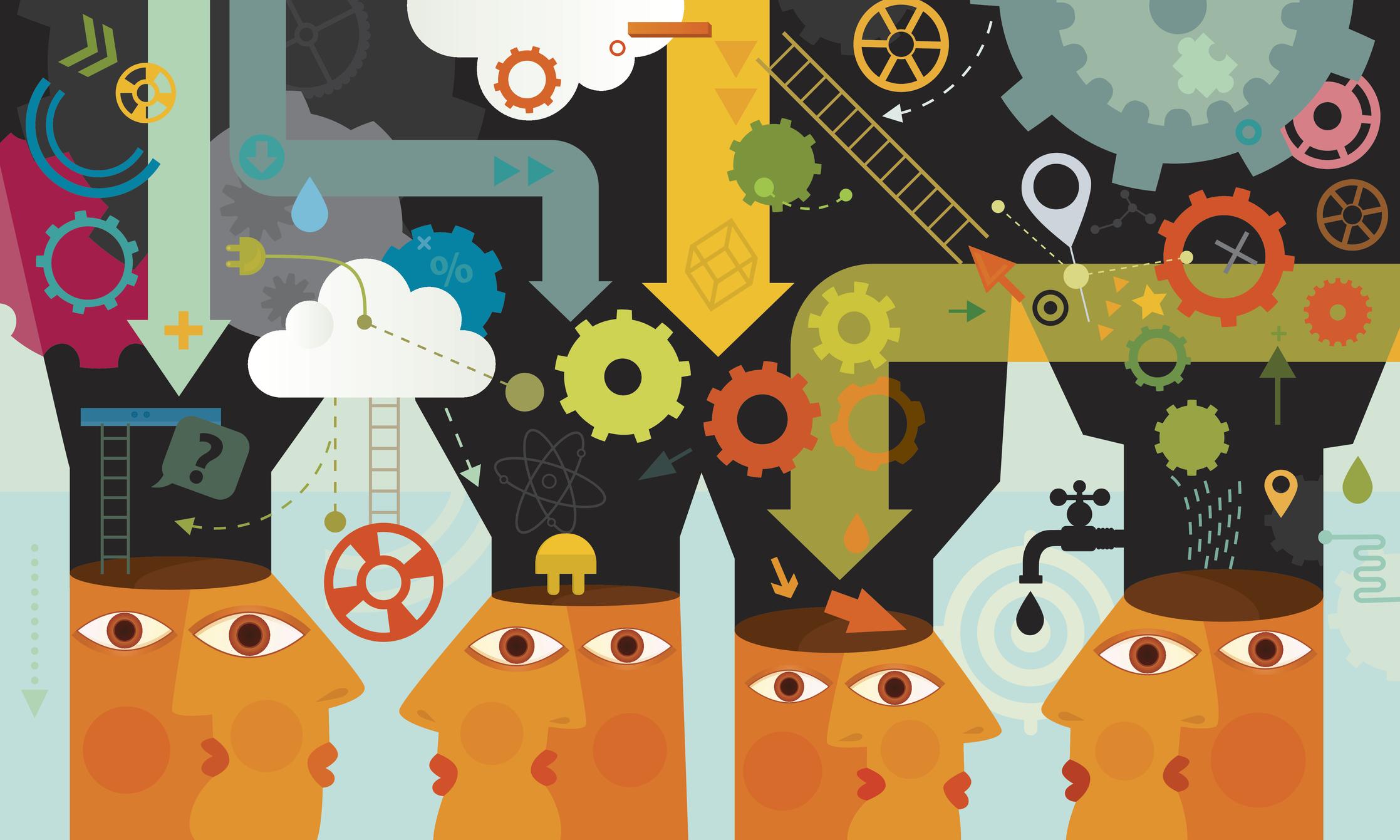
How AI is Personalising Education Globally: Transforming Learning Experiences worldwide
Education is experiencing a revolutionary transformation, one that’s being led by Artificial Intelligence (AI). Across continents, AI-driven tools are tailoring educational content, predicting student needs, and reshaping classrooms like never before. But what does AI personalisation in education actually look like, and how is it improving learning outcomes worldwide? In this extensive guide, we’ll explore how AI is driving personalised education, examine real-life examples, highlight the benefits, offer practical tips, and discuss the global impact of this digital evolution.
- Understanding AI Personalisation in Education
- Key Benefits of AI in Education Worldwide
- Real-World Case Studies: AI Transforming the Learning Experience
- Practical Tips for Introducing AI in the Classroom
- Challenges and Considerations
- The Future of AI-Powered Personalised Learning
- Conclusion: The Promise of AI in Modern Education
Understanding AI Personalisation in Education
At its core, AI personalisation in education leverages advanced algorithms, data analysis, and machine learning too tailor educational journeys to individual learners. Rather than a one-size-fits-all curriculum, AI creates unique learning paths based on each student’s strengths, weaknesses, interests, pace, and even emotional states.
How Does AI Personalise Learning?
- Adaptive Learning Platforms: AI-powered platforms, such as DreamBox and Knewton, adjust content in real time based on student performance and engagement.
- Clever Tutoring Systems: Virtual tutors identify knowledge gaps, offer instant feedback, and provide targeted practice exercises.
- Predictive Analytics: By analyzing vast amounts of student data,AI predicts learning obstacles before they become roadblocks.
- Natural Language Processing: AI chatbots and voice assistants answer questions and deliver content conversationally, making learning more interactive and accessible.
Key Benefits of AI in Education Worldwide
From rural villages in India to high-tech classrooms in Scandinavia, AI is unlocking new possibilities for personalised education experiences. Here’s how it’s making a difference:
- Individualised Learning Paths: Students advance at their own pace, reviewing or accelerating according to their understanding.
- Greater Engagement and Motivation: Gamified content and instant feedback make lessons more appealing and tailored to interests.
- Support for Diverse and Inclusive Classrooms: AI tools translate content, accommodate special needs, and bridge language gaps, helping learners everywhere.
- teacher empowerment: Automated grading, analytics, and lesson planning tools save teachers time and provide powerful insights.
- data-Driven Decision Making: Teachers and administrators receive actionable insights for curriculum betterment, intervention, and policy-making.
Real-World Case Studies: AI Transforming the Learning experience
Case Study 1: china’s Squirrel AI Adaptive Learning
Squirrel AI Learning, a network of after-school centers, uses AI to assess over 18,000 knowledge points in mathematics. The system delivers personalized exercises, identifies learning gaps, and even predicts future performance, leading to marked improvement among millions of students across China.
Case Study 2: Carnegie Learning in the United States
Carnegie Learning’s AI-based adaptive math curriculum supports K-12 students by gathering performance data, providing hints, and adjusting problems in real time.Schools implementing this technology report higher student achievement and lower dropout rates, especially among struggling learners.
Case Study 3: South Africa’s Siyavula
Siyavula, an AI-powered platform, delivers personally tailored math and science practice to students in diverse communities. intelligent algorithms adjust question difficulty on the fly, ensuring that no student gets left behind—demonstrating the global reach and scalability of AI in education.
Practical Tips for Introducing AI into the Classroom
Whether you’re a teacher, school administrator, or educational policymaker, these actionable tips can help you harness the power of AI personalisation in education:
- Start Small: Introduce a single AI-powered tool (like adaptive quizzes or virtual tutors) to familiarize staff and students.
- prioritize Training: Ensure teachers understand both the benefits and potential challenges of AI through ongoing professional development.
- Promote Digital Literacy: Prepare students by teaching essential digital and data literacy skills alongside conventional subjects.
- Monitor Progress: use dashboard analytics to identify trends, highlight successes, and address areas needing improvement.
- involve All Stakeholders: Encourage collaboration between students, parents, teachers, and IT departments to create a unified vision.
Challenges and Considerations
As transformative as AI-driven personalised education is, it’s not without hurdles:
- data Privacy and Security: Collecting sensitive student data demands stringent security practices and transparent data usage policies.
- Equity of Access: Digital divides must be addressed to ensure all learners, regardless of geography or socioeconomic background, benefit from AI.
- Teacher Roles: The shift to AI-assisted instruction requires redefining teachers’ responsibilities—from direct instruction to mentorship and facilitation.
- Bias in Algorithms: AI systems are only as fair as the data they’re trained on. Vigilance against reinforcing societal biases is essential.
The Future of AI-powered Personalised Learning
Looking ahead, AI promises to become even more deeply embedded in education systems worldwide:
- Emotion AI: Technologies capable of detecting student frustration or boredom will enable even more refined personalisation.
- Cross-border Learning: Real-time translation and content adaptation will allow global collaboration and shared curricula like never before.
- Lifelong Learning: AI-driven platforms are set to support not just K-12 and higher education,but workforce reskilling,adult education,and beyond.
- Augmented Classrooms: VR and AR combined with AI will create immersive, dynamically tailored learning environments.
Conclusion: The Promise of AI in Modern Education
AI is revolutionizing personalised education, breaking down barriers and making the dream of tailored learning a global reality. As we navigate challenges around fairness, inclusion, and privacy, embracing the best practices and lessons learned from pioneering projects will ensure that AI-powered education benefits all.
For students, AI personalisation means empowerment—learning that adapts to their needs, interests, and dreams. For teachers, it’s a powerful ally that transforms data into insight and repetitive tasks into rich, creative engagement. And for societies,it’s a pathway to closing educational gaps,fostering global citizenship,and preparing the next generation for a connected,AI-enabled future.
The journey has just begun, but the future of personalised education with AI is brighter, smarter, and more inclusive than ever before. Are you ready to be part of this transformation?