
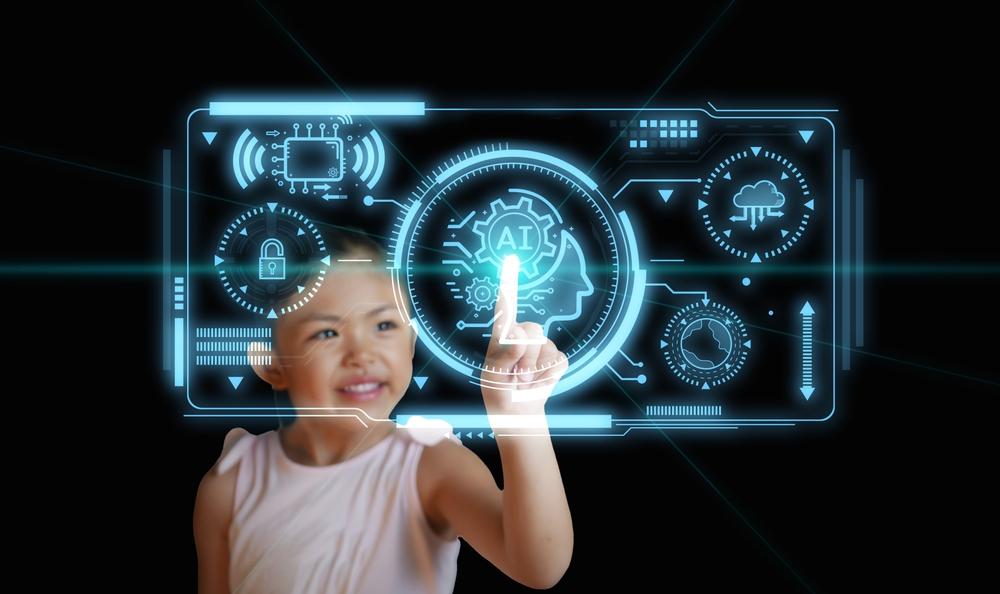
How AI is personalising Education worldwide: Revolutionizing Learning Experiences Globally
In recent years, artificial intelligence (AI) has emerged as a powerful force, personalising education worldwide and transforming how students learn and teachers teach. As technology integrates further with education systems, schools and institutions are leveraging AI to deliver highly tailored, adaptive, and efficient learning experiences.In this article, we’ll delve into how AI is revolutionising global education, explore real-world case studies, discuss the benefits and challenges, and provide practical tips for educators and policymakers aiming to embrace this transformative technology.
Understanding AI in Education
AI in education refers to using machine learning algorithms, data analytics, and natural language processing to enhance teaching and learning. From delivering personalised learning paths for students to automating grading and providing real-time feedback, AI technologies are reshaping educational processes at every level.
- Adaptive Learning Platforms: AI-driven systems that adjust lessons based on individual student strengths and weaknesses.
- Virtual Tutors & Chatbots: digital assistants that answer questions and provide guidance 24/7.
- Automated Assessment: Tools that score assignments, detect plagiarism, and offer instant feedback.
- Predictive Analytics: Algorithms that identify students at risk of falling behind and suggest interventions.
How AI is Personalising Education Globally
the core strength of AI in education is its ability to provide unique, user-centric learning experiences. Here’s how AI is personalising learning worldwide:
1. Tailored learning Paths
Each student has their own strengths, learning pace, and knowledge gaps. AI-powered platforms analyse student performance data and automatically adapt the curriculum to fit individual needs. This means students can focus on areas that require more practice while progressing faster through familiar material.
2. customised Feedback and Support
Instead of waiting days or weeks for assignment feedback, AI tools deliver instant, meaningful responses. These tools highlight specific errors or concepts to review, enabling students to address misunderstandings immediately and improve learning outcomes.
3. Accessibility and Inclusivity
AI technologies break down barriers for students with diverse backgrounds or disabilities.Tools such as speech-to-text, text-to-speech, language translation, and descriptive video make learning more accessible for everyone, nonetheless of ability or location.
4. Smart Content Creation
Teachers can now use AI-driven content generators to design interactive lessons, quizzes, and assignments tailored to student interests or current events, making learning far more engaging and relevant.
5. Global Access and Scalability
With cloud-based AI education platforms, quality teaching resources reach students in remote or underserved regions, narrowing the global education gap and enabling lifelong learning opportunities everywhere.
Benefits of AI-Powered Personalised Education
Adopting artificial intelligence in education delivers major advantages for learners, educators, and institutions worldwide:
- Improved Student Engagement: Interactive, adaptive content keeps learners motivated and curious.
- Higher Retention Rates: Personalised feedback and targeted practice help students master core concepts.
- Teacher Empowerment: Educators save time on administrative tasks, allowing them to focus on creative teaching and mentorship.
- Data-Driven Insights: Analytics reveal what interventions work best,shaping better curricula and policies.
- Equity and Inclusion: AI bridges gaps for students of different abilities, cultures, and socioeconomic backgrounds.
“AI in education doesn’t replace teachers; it amplifies their impact, giving every student a voice and making learning truly inclusive.” — Education Technology Expert
Case Studies: Real-World Examples of AI Personalising Education
Khan Academy’s AI Tutor
Khan academy’s “Khanmigo” is an artificial intelligence tutor assisting millions of students worldwide. It analyses student responses in real time,providing hints and step-by-step solutions uniquely tailored to each learner’s journey.Teachers can use AI-driven dashboards to monitor class progress and set personalised assignments.
Squirrel AI: Adaptive Learning in China
Chinese edtech company Squirrel AI uses advanced algorithms to personalise math and science lessons.Through granular student assessment, the system determines micro-concepts a student struggles with and adjusts future lessons, yielding higher achievement rates and closing knowledge gaps efficiently.
Carnegie Learning’s mathia
In the United States, mathia leverages AI to provide a personalised pathway for students learning mathematics. The platform mimics a skilled human tutor by identifying misunderstandings and dynamically adjusting problem sets. Schools reported significant advancement in students’ problem-solving skills and confidence.
Duolingo: Language Learning Democratized
Language-learning app Duolingo applies machine learning to personalise lessons for over 500 million users globally. By analysing errors and tracking progress, the app offers recurring review and reinforces weak vocabulary and grammar skills, making language mastery accessible worldwide.
Practical Tips for Implementing AI in Education
To maximise the benefits of AI-powered personalised learning, consider these strategies:
- Start Small: Integrate AI tools such as adaptive quizzes or virtual tutors in one subject or grade before expanding school-wide.
- Prioritise Data Privacy: Use platforms with robust security standards and ensure student data is handled ethically.
- Train Educators: empower teachers with professional development on using AI systems and interpreting analytics effectively.
- Involve Stakeholders: Collaborate with students, parents, and policymakers for a smoother adoption and shared understanding of AI benefits.
- Continuously Assess Impact: Monitor student outcomes and satisfaction to refine your AI education strategy over time.
Challenges and Considerations
While the promise of AI in personalising education is immense, there are still hurdles to address:
- Digital Divide: Inadequate access to devices or the internet can widen inequities if not proactively addressed.
- Algorithmic Bias: AI models trained on skewed data may reinforce existing biases; ongoing auditing and transparency are essential.
- Teacher-Student Connection: Over-reliance on technology could impact the human bonds fundamental to learning.
- Privacy Concerns: Guarding student data privacy and cybersecurity is paramount as more data is collected.
- Cost & Scalability: Implementing AI requires thoughtful investment, infrastructure, and long-term planning—especially in resource-challenged regions.
The Future of Personalised Education with AI
The journey toward AI-powered and personalised education worldwide is just beginning. As technologies become more refined, we can look forward to even smarter learning platforms, immersive virtual and augmented reality experiences, and greater global collaboration between schools and educators.
- Real-time Language Translation: Breaking language barriers in classrooms for truly global, multicultural learning.
- Emotion Detection: AI that gauges student engagement or frustration,prompting timely intervention by teachers.
- Open Educational Resources: AI-curated open content for personalised, cost-free learning anytime, anywhere.
Ultimately, the goal is not to replace teachers but to empower them with supercharged tools so every learner receives the right lesson at the right time in the right way.
Conclusion: Embracing AI for a Smarter,More Inclusive World
AI is truly revolutionising education worldwide by making high-quality,personalised learning accessible,efficient,and inclusive.By embracing AI-driven solutions, educators and policymakers can bridge longstanding gaps, spark curiosity, and equip students everywhere to succeed in an ever-evolving world.
As we move forward, it’s crucial to foster ethical development, worldwide accessibility, and lifelong learning mindsets—making sure that no learner is left behind in this exciting new AI-powered educational era. The future of education is not only smarter but also brighter and more equitable for everyone, everywhere.