
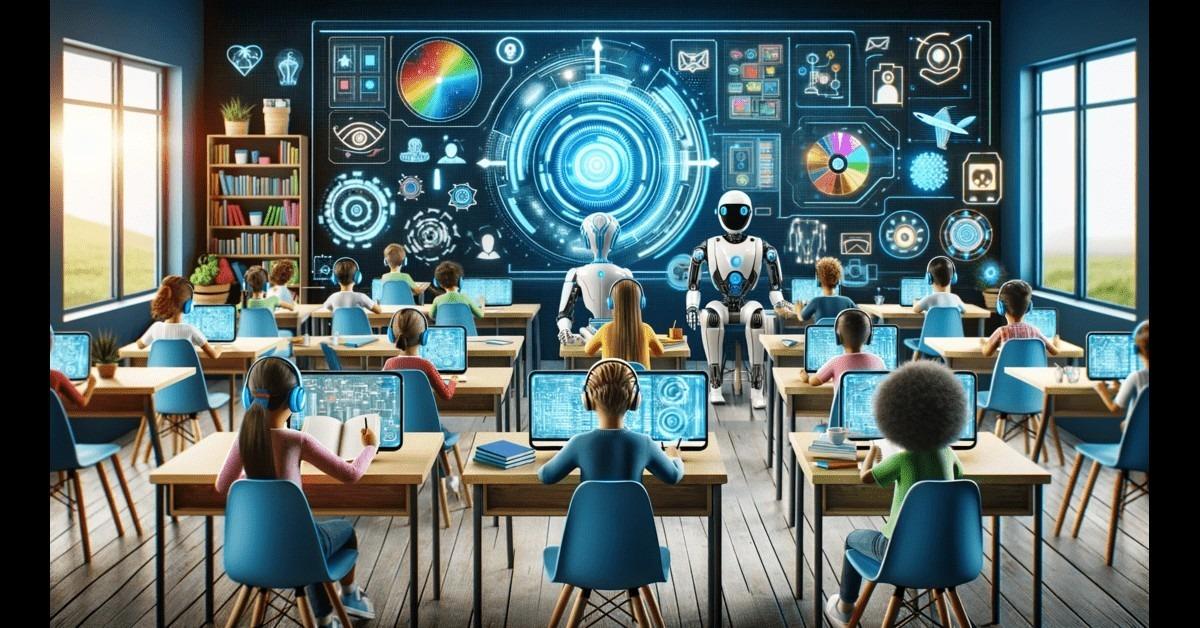
How AI is Revolutionising Education: Personalised Learning Approaches Around the Globe
The rapid emergence of artificial intelligence (AI) is reshaping the education landscape across continents. By harnessing smart technologies, educators and institutions are now able to offer personalised learning experiences tailored to each learner’s needs. In this article, we’ll dive deep into how AI is revolutionising education, the global reach of these innovations, real-world case studies, essential benefits, and actionable tips to embrace AI for more effective, individualised teaching and learning.
Understanding AI in Education: A Global Paradigm Shift
Artificial intelligence in education refers to the use of intelligent algorithms, data analytics, and machine learning to automate administrative tasks, empower educators, analyse learning patterns, and deliver customised content. Schools, colleges, and edtech platforms worldwide are embracing AI-powered tools such as intelligent tutors, adaptive assessment platforms, and data-driven analytics to foster truly personalised learning approaches.
- Smart content delivery adapts materials dynamically to learners’ skill levels.
- Real-time feedback identifies students’ strengths and areas for growth.
- Adaptive testing ensures assessments reflect individual progress and learning gaps.
- AI-powered chatbots answer students’ and educators’ queries instantly.
The ultimate goal? To make learning more inclusive, efficient, and engaging for every individual, irrespective of age or background.
Personalised Learning: The Heart of AI Revolution in Education
Personalised learning uses AI to cater to unique learning styles, paces, and abilities. This shifts the customary one-size-fits-all model to a more dynamic, responsive system. Here’s how:
Key Features of AI-Powered Personalised Learning
- Adaptive Learning Platforms: Customise lesson plans and resources to match individual progress.
- Intelligent Tutoring Systems: Offer on-demand support, hints, and guidance for complex subjects.
- Predictive Analytics: Identify students at risk of falling behind and trigger timely interventions.
- Automated Assessment: Provide instant feedback,freeing teachers to focus on mentoring.
- Language and Accessibility Tools: Translate lessons and ensure content accessibility for diverse learners.
With these innovations,learners gain more agency over their educational journey,resulting in improved motivation,deep understanding,and better performance.
Global Case Studies: AI in Education Around the World
AI’s transformative impact on education is evident through global adoption and success stories. Let’s explore select case studies:
1. United States: knewton & dreambox Learning
knewton uses machine learning to analyse real-time student data, enabling dynamic adjustment of digital curricula. DreamBox Learning, an adaptive math platform, records over 50,000 data points per hour for each student to tailor explanations and tasks. Schools have reported higher test scores after adoption.
2. China: Squirrel AI
Squirrel AI brings adaptive learning to millions, especially in rural areas. Its AI algorithms break down each concept, mapping precisely how a student progresses through learning objectives and where they need support. It’s hailed for democratising access to quality education across socioeconomic backgrounds.
3. Europe: Century Tech (UK)
UK-based Century Tech leverages AI to build individual learning pathways for students, sending actionable insights to educators about classroom engagement. Partnered with hundreds of schools,it’s helping improve both academic outcomes and teacher workload management.
4. India: Byju’s and Embibe
Major Indian edtechs like Byju’s and Embibe use AI-driven analytics to customise preparation for competitive exams. They adapt learning journeys to every student’s pace, providing targeted questions, solutions, and mentor feedback, helping millions to excel.
The Benefits of AI-Powered Personalised Learning
AI-driven personalised learning is transforming classrooms and online education—delivering measurable results and profound benefits:
- enhanced Student Engagement: By matching content with learners’ interests and abilities, students remain motivated, curious, and proactive.
- Reduced Achievement Gaps: AI identifies and addresses individual learning challenges, enabling targeted support and equity.
- Efficient Use of Educator Time: By automating grading and administrative work, teachers invest more energy in personalised mentoring.
- Continuous Assessment & Feedback: Enables real-time course corrections and promotes self-directed learning.
- Scalability and Accessibility: AI platforms can reach millions, offering quality education even in remote or underserved regions.
“AI has been a game-changer in my classroom,” shares Sarah K., a secondary school teacher from London.
“With adaptive learning platforms, I can spot struggling students early, customise assignments, and provide instant feedback—something that simply wasn’t possible before.”
Practical Tips: How Educators Can Embrace AI for Personalised Learning
Integrating AI into education doesn’t have to be daunting. Here are actionable steps for teachers,school leaders,and policymakers to make the most of AI in personalised learning:
- start Small: Pilot a single AI-powered tool such as adaptive quizzes or chatbots to observe impact and gather feedback.
- Invest in Professional development: Provide ongoing training on AI systems to empower teachers and build confidence.
- Prioritise Data Privacy: Choose platforms with robust data security to protect student information and comply with regulations.
- foster Collaborative Culture: Encourage sharing of best practices among educators and involve students in decision-making.
- Continually Evaluate Effectiveness: Use analytics to monitor student progress and adjust strategies to optimise learning outcomes.
By applying these strategies, schools can create sustainable, high-impact personalised learning environments.
Challenges and The Future of AI in Education
Despite its promise, AI in education faces certain challenges:
- equity and Accessibility: Not all schools have equal access to AI technologies due to funding or infrastructure gaps.
- Teacher Training: effective implementation relies on professional development and ongoing support.
- Ethical Considerations: Ensuring transparency, avoiding bias, and upholding student data privacy remain critical concerns.
Though, as AI tools become more affordable and user-friendly, and with strong policies in place, these obstacles can be overcome. The future points toward AI-powered education that is more inclusive, customisable, and empowering for learners and educators alike.
Conclusion
From remote villages in India to high-tech classrooms in the United States, AI is revolutionising education by unlocking the potential of personalised learning approaches. These innovations are not only enhancing academic performance but also nurturing lifelong skills such as critical thinking, creativity, and adaptability. As schools and organisations invest in AI-powered tools, the journey toward a more equitable, efficient, and engaging education system is well underway—offering every learner a chance to shine.
Interested in exploring more on AI in education? Subscribe to our newsletter for the latest insights, trends, and practical guides to help you navigate and thrive in the AI-powered world of education.