
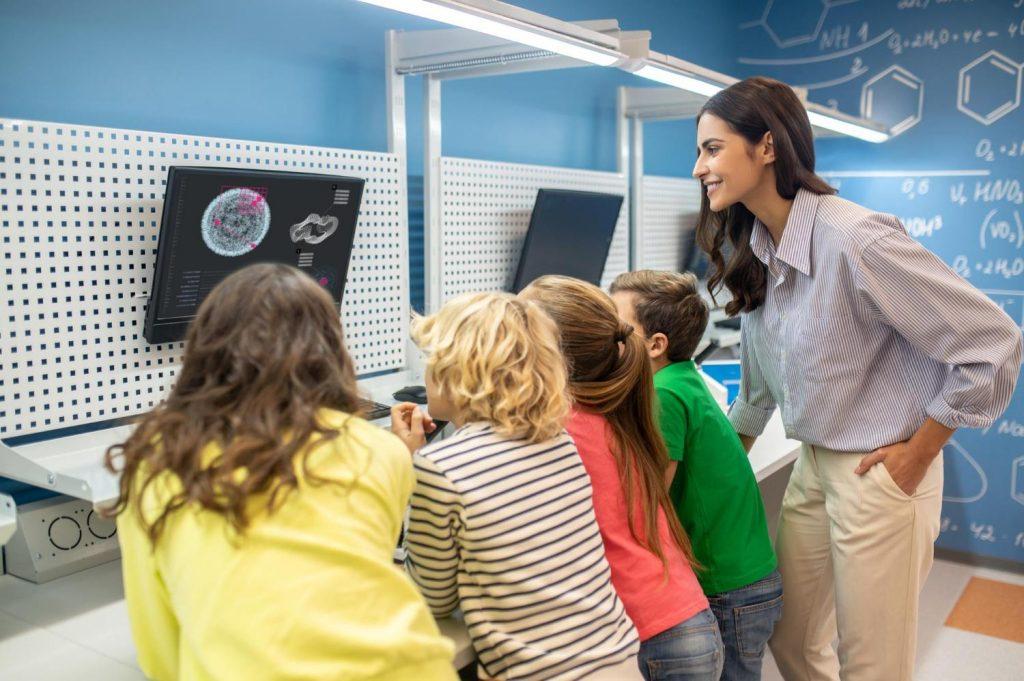
How AI is Revolutionising Personalized Education Worldwide
Artificial Intelligence (AI) is not just a futuristic buzzword—it’s rapidly redefining how we approach learning. Personalized education powered by AI is transforming classrooms and online learning platforms around the globe, helping educators understand student needs better than ever before. But how exactly is AI revolutionising personalized education? In this extensive article, we’ll explore the technology behind personalised learning, the benefits for educators and students, compelling case studies, and practical tips for embracing AI-driven education—no matter where you are in the world.
Understanding Personalized Education in the Age of AI
Personalized education refers to tailoring learning experiences to the unique strengths, weaknesses, pace, and interests of each student. Traditionally, this has been a resource-intensive approach, often limited by teacher-student ratios and available time. Though, with the advent of AI and machine learning, personalized education has become not just attainable, but scalable on a global level.
- Adaptive Learning Technologies: AI systems adapt lessons in real-time, analyzing student performance and delivering exercises suited to their current understanding.
- Data-Driven Insights: Machine learning algorithms track progress and predict future learning needs, helping educators craft individualized study plans.
- Automated Feedback: Bright tutoring systems provide immediate feedback,allowing students to learn from mistakes and progress at their own pace.
The Key Benefits of AI in Personalized Education
From local classrooms to global online platforms, the benefits of AI-driven personalized education are profound. Here are some advantages that are shaping the future:
1.Enhanced Student Engagement
- Interactive Learning: Gamified AI platforms make lessons more engaging and motivating for students.
- Customized Content: Students receive study materials that match their learning styles—visual, auditory, kinesthetic, and beyond.
2. Closing Achievement Gaps
- Individualised Support: AI identifies struggling students quickly and delivers targeted interventions.
- Equal Opportunity: Personalized approaches help level the playing field, regardless of socioeconomic background.
3. Empowered Teachers
- Reduced Administrative Work: AI automates grading and routine assessments, freeing teachers for more creative, high-impact tasks.
- Actionable Analytics: Robust data dashboards help teachers make data-backed instructional decisions.
4. Lifelong Learning
- Continuous Improvement: AI platforms can adapt as learners advance, supporting education at any age.
real-World Case Studies: AI’s Impact on Personalized Education
Duolingo: Mastering languages with AI
The language learning app Duolingo is a pioneer in personalised learning using AI. It analyses millions of learner interactions daily, customizing lessons based on user strengths, typical mistakes, and optimal review timing. This ensures users get tailored lessons, maximizing retention and motivation.
Carnegie Learning: AI-Driven Math instruction
US-based Carnegie Learning uses AI-based platforms to provide personalized math curricula for middle and high school students. Their technology constantly measures student progress and revises content to meet each learner’s specific needs, resulting in notably higher math scores across diverse student populations.
Squirrel AI: Adaptive Learning in China
In China, Squirrel AI has educated millions by leveraging adaptive algorithms that assess thousands of micro-skills and recommend individualized study routes. Their AI tutors detect and fill conceptual gaps, contributing to wide-scale, high-efficiency personalized education.
Frist-Hand Experiance: A Student’s Perspective
“Before using an AI-powered platform, I often fell behind in math class. After just a few months with an adaptive learning tool, my grades improved dramatically because I could finally focus on my weak points and progress at my own speed. I feel more confident—and I actually enjoy learning now.”
– jade, High School Student, United kingdom
Challenges and considerations of AI in Personalized Education
While the transformation is promising, educators and policymakers must address several challenges:
- Data privacy: Protecting the personal data of students is paramount; robust safeguards and transparent AI algorithms are critical.
- Bias in Algorithms: ensuring AI does not reinforce existing educational inequalities requires careful design and frequent auditing.
- Digital Divide: Access to reliable devices and high-speed internet remains limited in many regions, creating potential gaps in equal opportunity.
- Teacher Training: Ongoing professional progress is crucial so educators can effectively integrate AI tools into their teaching practice.
Expert Insights: Tips for Embracing AI-Driven Personalized Education
Ready to adopt AI-powered learning in yoru classroom or home? These practical tips can definitely help you make the most of this educational revolution:
- Start Small: Pilot a single AI learning app or platform (like Khan Academy or DreamBox) with a group of students to see what works best.
- Focus on Data Literacy: educators should build confidence in interpreting analytics dashboards—knowing what insights are actionable is half the battle.
- Prioritise Privacy: Always choose reputable platforms with clear data protection policies, and educate students about their privacy rights.
- Blend Human and AI Strengths: AI is most powerful when paired with passionate educators.Use technology to reduce administrative tasks, not to replace connection or mentorship.
- Encourage Feedback: Let students voice their experiences with AI tools—continuous feedback ensures platforms evolve for the better.
The Future of Personalized Education: Where Do We Go from Here?
As AI technology matures, the potential for truly personalised education at scale grows exponentially. Trends such as natural language processing, emotional AI, and predictive analytics will further customise learning experiences, making education not just accessible, but truly transformative for everyone—from K-12 students to lifelong adult learners.
- Global Reach: More learners in remote or underserved regions will gain access to high-quality education, bridging opportunity gaps.
- Continuous Up-skilling: as industries evolve, AI-powered learning will be essential for workforce reskilling and career development.
- Human-AI Collaboration: Educators will play an even greater role as facilitators, mentors, and creative guides, with AI supporting logistics and personalised resources.
Conclusion: Embracing the AI-Powered Learning Revolution
AI is rapidly revolutionizing personalized education worldwide, unlocking opportunities for learners and educators alike. By harnessing the power of adaptive technologies, we can ensure that every student receives an education tailored to their needs, aspirations, and potential. While challenges remain—privacy, bias, digital access—the benefits of AI in personalizing education far outweigh the obstacles, offering hope for more inclusive, effective, and engaging classrooms across the globe.
Ready to join the AI-powered learning revolution? Stay informed, embrace new tools with curiosity, and watch as the future of personalized education unfolds—one learner at a time.