
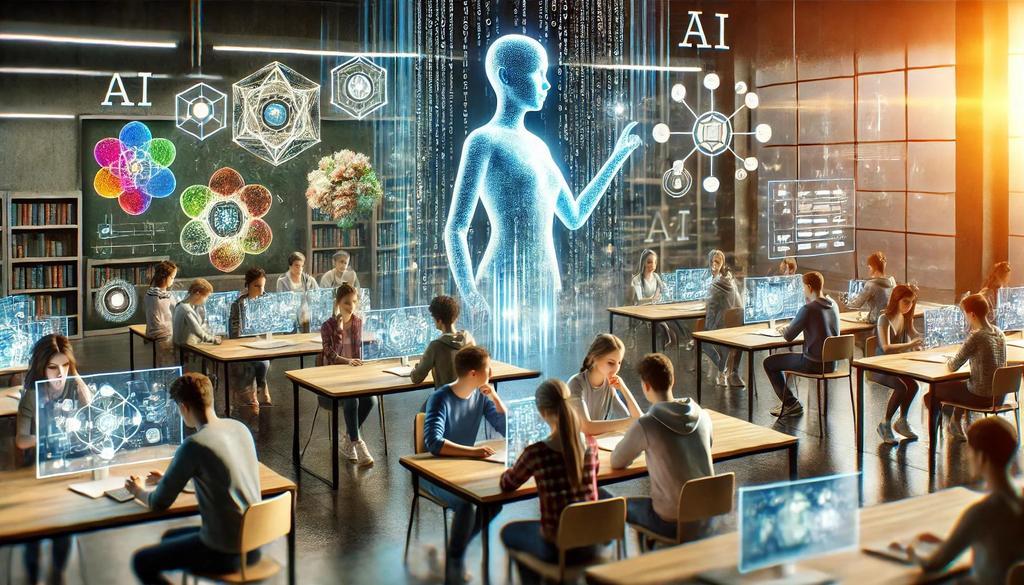
How AI Is Revolutionizing Classrooms and Education in 2025
Keywords: AI in education, artificial intelligence in classrooms, digital learning, educational technology, personalized learning, 2025 schools, adaptive learning systems, classroom automation, teacher support tools, student engagement, edtech innovation
Introduction: The Dawn of AI-Powered Learning
The year 2025 marks a pivotal moment in education, as artificial intelligence (AI) has become an integral part of classrooms and educational institutions worldwide.From personalized learning experiences to automated administrative tasks, AI is revolutionizing education at an unprecedented pace. This comprehensive guide explores how AI in education is shaping classrooms, boosting teacher effectiveness, enhancing student outcomes, and ultimately transforming the way we learn and teach.
The Landscape of AI in Education in 2025
Today’s classrooms look vastly different from those of the past. With cutting-edge AI-powered educational tools and platforms,educators and students now benefit from:
- Smart assessment systems that automatically grade and provide feedback
- Adaptive learning applications that customize lesson plans for individual students
- Virtual assistants that answer queries and help with homework
- Real-time student progress tracking for teachers and parents
- Automated administrative processes such as scheduling,attendance,and reporting
Main Benefits of artificial Intelligence in Classrooms
1.Personalized & Adaptive Learning
AI algorithms analyze student behavior, learning pace, and comprehension levels, delivering tailor-made lessons that cater to individual needs. This means:
- Struggling students receive targeted interventions
- Advanced learners can accelerate their studies
- teachers can focus on guiding and mentoring
2. Enhanced Student Engagement
Interactive and gamified AI educational systems keep learners motivated and engaged. Dynamic content adjustment,instant rewards,and real-life simulations make learning exciting and memorable.
3. Classroom Automation
Teachers use AI tools to automate repetitive tasks, such as grading, attendance tracking, and generating reports. This increases productivity and gives educators more time for curriculum development and one-on-one support.
4. data-Driven Insights for Teachers
AI turns classroom data into actionable insights.Teachers receive instant alerts about students needing extra help and can adjust strategies to maximize each learner’s potential.
5.Inclusive & Accessible Education
AI breaks down barriers for students with learning disabilities or language differences. Adaptive technologies offer speech-to-text, translation, and accessibility features, making education a truly inclusive experience.
Case Studies: AI in classrooms—Real Transformations
Case Study 1: Personalized Math Learning with Adaptive Systems
In 2025, Springfield Elementary integrated an AI-based adaptive math tutor across all grades. Within just one semester:
- Standardized test scores rose by 18%
- math anxiety among students dropped by 35%
- Teachers reported a 50% reduction in grading workload
Case Study 2: Language Learning with AI Chatbots
A high school in Tokyo launched AI chatbot language assistants for English classes. Using natural conversational AI, students practiced speaking and listening, receiving instant corrections and feedback. Graduation rates improved,and students’ confidence in language performance soared.
Case Study 3: Inclusive Learning through AI Accessibility Tools
An urban middle school in Berlin deployed AI-powered audio translation and speech synthesis apps. These tools supported immigrant students and those with hearing impairments, dramatically improving participation rates and overall classroom inclusion.
First-Hand Experiences: Teachers and Students speak Out
How Teachers Are Empowered by AI
“AI handles the heavy lifting of grading and gives me deep insights into each student’s strengths and challenges. I can finally focus on real teaching and mentoring instead of paperwork,” says Jessica M., a middle school science teacher in California.
Students on AI-Assisted Learning
“I love how my math app knows when I need help and gives me hints rather of just the answers. It feels like having a personal tutor with me all the time!” shares Khalid R., a 10th-grade student in Dubai.
Practical Tips for Implementing AI in Schools
- Start with Pilot Programs: Identify areas of greatest need and introduce AI tools in small, controlled groups.
- Invest in Teacher Training: Ensure that educators are pleasant with AI platforms and aware of their capabilities.
- monitor Student Privacy: Use trusted platforms compliant with data protection standards to safeguard sensitive information.
- Foster Collaboration: Encourage dialog between teachers, students, and parents about technology’s role in learning.
- Review and iterate: Continuously assess AI impacts on learning outcomes and adapt strategies as needed.
Challenges of AI in Classrooms—and How to Address Them
As with any technological advance, AI in education presents unique challenges:
- data Security Risks: Schools must invest in robust cybersecurity to protect sensitive student data.
- Equitable Access: Not all schools have the same resources. Policymakers and administrators need to prioritize access for underserved communities.
- Teacher Adaptation: Change management and ongoing professional development help teachers stay ahead of AI innovations.
- Over-Reliance on Automation: AI should enhance—not replace—the human touch in education.
by addressing these challenges proactively, educational institutions can ensure the ethical and effective integration of AI tools.
The Future of Artificial Intelligence in education
Moving forward, expect to see deeper integration of AI with virtual and augmented reality experiences, more advanced predictive analytics, and increased use of AI-powered collaboration tools. The ultimate goal? To create classrooms that nurture every learner’s unique potential.
Conclusion: Embracing the AI Revolution in Education
The conversion of classrooms by artificial intelligence in 2025 is more than just a technological shift—it’s a revolution in how teachers teach and how students learn. By harnessing AI, educators can personalize instruction, automate mundane tasks, and foster a more inclusive, engaging classroom experience. While embracing AI in education comes with challenges, with thoughtful implementation and continuous adaptation, schools can unlock extraordinary opportunities for growth and innovation.
Whether your a teacher, student, administrator, or parent, understanding the power of AI in classrooms is essential for shaping the future of education. Explore, experiment, and collaborate—and watch as the next generation of learners thrives in this new era of AI-powered learning.