
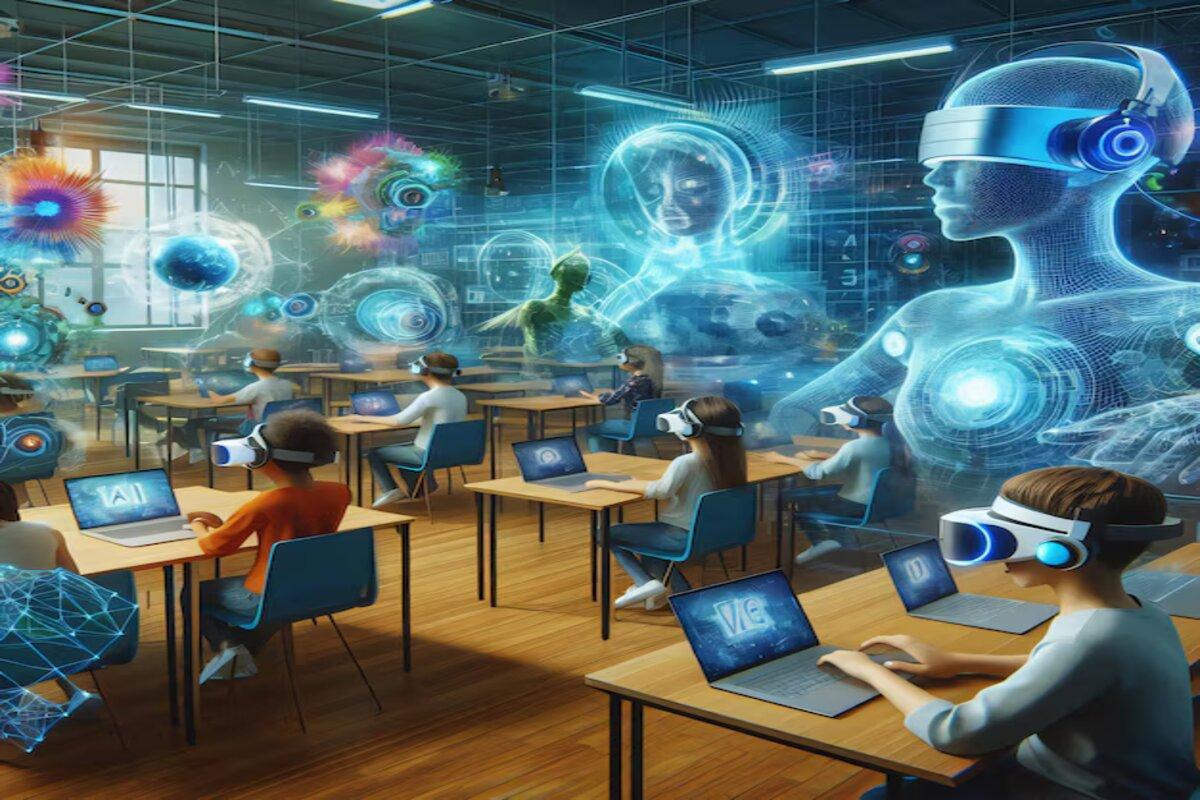
How AI Is Revolutionizing Education: Personalised Learning Transforming Classrooms Worldwide
Introduction: The Dawn of a New Educational Era
In the ever-evolving landscape of technology, artificial intelligence (AI) is emerging as a powerful catalyst, reshaping how students learn and how teachers teach. At the forefront of this revolution is personalised learning—a dynamic approach that uses data-driven insights to tailor educational experiences to individual needs. As AI continues to advance, classrooms worldwide are witnessing a remarkable transformation: lessons are more engaging, learning outcomes are improving, and educators are empowered like never before. let’s explore how AI-powered personalised learning is changing the face of education.
The Rise of AI in Education
AI is no longer a futuristic concept in the educational sector. today, it’s actively redefining classrooms through adaptive learning platforms, intelligent tutoring systems, and sophisticated analytics. Leveraging AI in education enhances both teaching and learning processes, making them more efficient, interactive, and adaptive to students’ unique learning styles.
- Adaptive learning software that customizes lessons in real time
- Automated grading systems that save teachers valuable time
- Intelligent content curation delivering up-to-date, relevant resources per student need
- Predictive analytics to identify students at risk and provide timely interventions
Understanding Personalised Learning Powered by AI
Personalised learning involves customizing educational content, pacing, and feedback based on each learner’s strengths, weaknesses, goals, and preferences. AI makes personalised learning at scale not just possible, but effective. By continually analyzing student data, AI can recommend the next best activity, adjust the complexity of tasks, and present information in the most suitable format for every student.
How Does AI Achieve Personalisation?
- Collects and analyzes learning data in real time
- Detects knowledge gaps and areas of interest
- Adapts instructional content and assessment accordingly
- Provides instant, targeted feedback for learners
With AI, personalised learning is no longer resource-prohibitive. Schools across the globe are integrating AI tools into their digital classrooms,achieving better academic performance and increased student motivation.
The Key benefits of AI-Driven Personalised Learning
Implementing AI in the classroom isn’t just a matter of staying up-to-date with technology.The benefits are concrete and far-reaching for students, teachers, and educational institutions alike.
For Students
- Learning at their own pace: Each student receives tailored lessons, ensuring no one is left behind.
- Increased engagement: Gamification, multimedia resources, and instant feedback drive motivation and deeper involvement.
- Accessible support: AI-powered chatbots and virtual tutors provide 24/7 assistance.
- Targeted improvement: Real-time diagnostics help students focus on areas that need most attention.
For Educators
- Reduced administrative burden: automated grading and assessment save time.
- Enhanced insights: Advanced analytics identify learning patterns and potential problems early.
- Personalised recommendations: AI suggests resources and strategies tailored to each class or student.
- Professional growth: Continuous learning through AI-suggested teaching methodologies and best practices.
For Schools and Institutions
- Optimized resource allocation: Data-driven decisions improve curriculum planning and student services.
- Better retention rates: Students are more likely to succeed and stay engaged.
- Increased competitiveness: Attracting students and teachers seeking innovative, tech-savvy learning environments.
Real-World Case Studies: AI in Action
Several pioneering schools and edtech platforms are already demonstrating the transformative power of AI and personalised learning in education. here are a few notable examples:
1. squirrel AI Learning (China)
Squirrel AI is a leading adaptive learning platform that uses AI to provide highly personalized tutoring in math and other subjects. By assessing micro-level knowledge points, squirrel AI tailors learning paths unique to every student, resulting in improved grades and higher engagement levels across thousands of Chinese classrooms.
2. Carnegie Learning (USA)
Carnegie Learning employs a blend of AI and cognitive science to customize math instruction. Its mathia platform adapts in real-time based on how students respond,providing hints,feedback,and new problems instantly. Districts adopting this solution have witnessed significant improvements in math proficiency.
3. Century Tech (UK & Worldwide)
Century Tech’s AI-powered platform delivers personalised learning experiences for both K-12 students and adult learners. By constantly analyzing performance, it recommends learning activities, tailored revision plans, and delivers actionable insights to educators. Schools using CENTURY have reported both improved student achievement and teachers freed to focus on creativity and deeper teaching.
Practical Tips for Schools Embracing AI in Education
Ready to harness the power of AI in your classroom? Here are some actionable strategies for educators and administrators to implement AI-driven personalised learning successfully:
- Start small: Pilot AI-based tools in select subjects or classes to understand their impact and scalability.
- Invest in Teacher Training: Equip educators with skills and knowledge to integrate AI tools effectively.
- Prioritize Data Privacy & Security: Ensure all AI solutions comply with data protection regulations.
- Encourage Collaborative Learning: Use AI to support—not replace—human interaction and group projects.
- Monitor and Assess Impact: Regularly evaluate student outcomes and teacher feedback to refine AI implementations.
- Stay Updated: The field of AI is rapidly evolving; stay abreast of the latest trends and breakthroughs.
Challenges and Considerations in AI-Powered Classrooms
While the advantages of AI-driven personalised learning are profound, there are some challenges and ethical considerations to address:
- Equitable access: Not all schools have the same resources or infrastructure needed to deploy advanced AI tools.
- Privacy concerns: storing and analyzing student data brings up issues of data security and consent.
- Over-reliance on automation: AI should enhance—not replace—qualified educators and human connection in the classroom.
- Bias in AI algorithms: algorithms trained on limited or biased data may perpetuate inequalities if not carefully managed.
Proactively addressing these factors ensures that AI in education remains a force for inclusion, equity, and excellence.
First-Hand Experiences: Voices from the Classroom
Teachers, students, and administrators worldwide are witnessing the impact of AI-driven personalised learning first-hand:
“After introducing AI-powered tools, I’ve been able to focus more on creative lesson planning and meaningful student discussions. The instant feedback helps my students understand concepts deeper and faster.”
— Sofia M., Mathematics Teacher, London
“I used to struggle with certain topics, but now our online lessons adapt to what I need the most. Learning feels less stressful and more fun!”
— Amir, Grade 8 Student, Dubai
Such testimonials highlight the positive transformation happening in classrooms when AI helps personalize educational journeys.
Conclusion: Shaping the Future of Learning
The integration of AI in education and the rise of personalised learning are fundamentally redefining classrooms across the world. With the power to tailor instruction, provide real-time feedback, and empower educators, AI is ushering in a future where every learner’s path is unique and optimized for success. While challenges remain, proactive strategies and ethical considerations can ensure that the benefits of technology are shared by all.
As schools continue to adopt innovative AI-driven solutions, the dream of a highly adaptive, inclusive, and effective education system is closer than ever. Personalised learning powered by AI isn’t just a trend—it’s a transformative movement shaping the minds and futures of generations to come.