
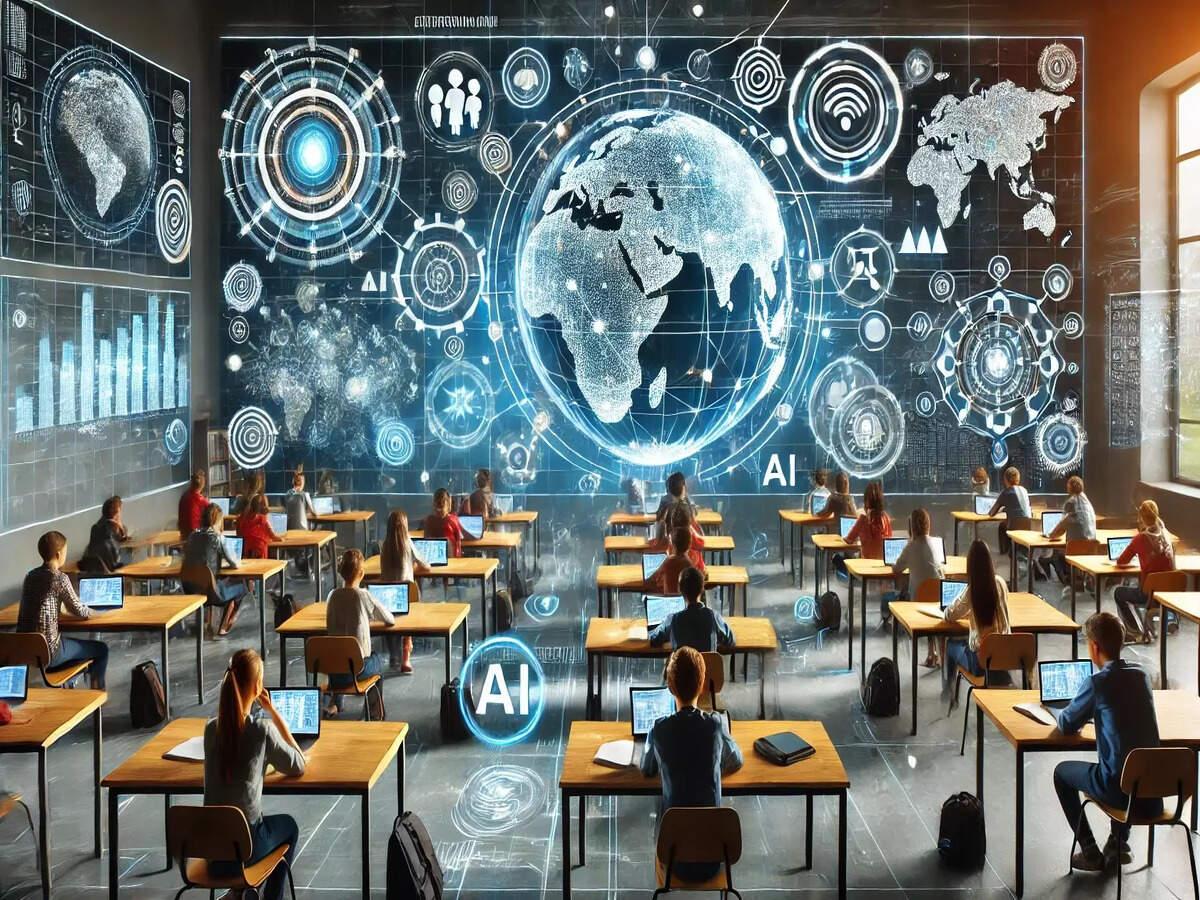
How AI Is Revolutionizing Education Worldwide: The Rise of Personalized Learning
Introduction
The integration of artificial intelligence in education is rapidly transforming the academic landscape on a global scale. As schools, universities, and EdTech companies embrace cutting-edge technology, the rise of personalized learning powered by AI is reshaping how students learn and teachers teach. But what exactly is AI-driven personalized learning? How is AI revolutionizing education worldwide, and what benefits does it bring to the table? Dive into this comprehensive guide to explore the many facets of artificial intelligence in education, practical case studies, and actionable tips for adopting personalized learning solutions.
What Is AI in Education?
AI in education refers to the application of artificial intelligence technologies—such as machine learning, natural language processing, and data analytics—to create smarter, more adaptable, and efficient learning environments. Unlike conventional teaching models, AI-backed systems can analyze vast amounts of data about learners, enabling tailored educational experiences that adapt in real-time.
- Adaptive Learning Platforms: These platforms modify lessons to suit each learner’s pace and skill level.
- AI Tutors: Virtual tutors provide instant feedback, answer student questions, and offer additional resources.
- Automated Grading Systems: AI can assess homework, quizzes, and assignments, freeing up educator time.
- Learning Analytics: Track and predict student performance to identify those who need extra support.
The Rise of Personalized Learning
Personalized learning is an educational approach that tailors instruction, content, and pace to each student’s unique needs. With the help of AI, personalized learning systems can dynamically adapt, providing students with the right resources at the right time.
How AI Enables Personalized Learning
- Data-Driven Insights: AI analyzes students’ performance, learning styles, and preferences to curate customized content.
- Intelligent Recommendation Engines: Suggests exercises, readings, and study paths tailored to each learner’s strengths and weaknesses.
- Real-Time Feedback: Provides immediate, actionable feedback to accelerate growth and correct misunderstandings.
- Individual Learning Paths: Enables students to advance at their own pace, making education more inclusive and effective.
Benefits of AI-Powered Personalized Learning
artificial intelligence in education offers a host of benefits for students, teachers, and institutions. Here are some of the most impactful advantages:
- Enhanced Student engagement: Adaptive learning platforms make lessons more relevant and enjoyable, increasing motivation and attention.
- Increased Accessibility: AI tools break down barriers by supporting learners of all abilities and backgrounds, including those with special education needs.
- Time Savings for Educators: Teachers can automate routine tasks such as grading and focus on mentorship and curriculum development.
- Higher Achievement Rates: By addressing each learner’s gaps and challenges,AI promotes better understanding,retention,and performance.
- Scalability: AI-powered learning solutions can efficiently serve large numbers of students without compromising quality.
Global Case Studies: AI in Action
Many educational institutions and organizations worldwide are already reaping the rewards of AI in education.Here are some inspiring case studies:
1. China: Squirrel AI Learning
Squirrel AI Learning,a leading EdTech company in China,uses AI algorithms to deliver personalized learning experiences to millions of K-12 students. Their adaptive platform identifies knowledge gaps for each student and customizes lessons and quizzes, resulting in substantially improved academic outcomes.
2. United States: Duolingo
Duolingo, the popular language learning app, harnesses AI and machine learning to tailor lessons to each user’s strengths, weaknesses, and preferences. The platform continually updates and modifies exercises and difficulty based on real-time performance, making learning more effective and engaging.
3. India: BYJU’S
BYJU’S leverages advanced artificial intelligence to create personalized, interactive learning experiences for its millions of student users.Their AI systems recommend videos, quizzes, and reading materials, adjusting learning paths according to individual progress.
First-Hand Experiences: Teachers and Students Speak Out
“With AI-powered tools in my classroom, I can finaly devote more time to mentoring students instead of grading piles of homework. My learners love the personalized quizzes and instant feedback!”
— Maria K., High School Teacher, Spain
“Thanks to AI, I don’t feel lost anymore.the app tells me exactly what I need to practice, and I can see my improvements quickly. It makes learning fun!”
— Akash S., Student, india
Practical Tips for Adopting AI in Education
- Start Small: Begin with one or two AI tools (like adaptive learning platforms or automated grading) before scaling up across your institution.
- Focus on Training: Educate teachers and staff about AI technologies through workshops and hands-on sessions.
- Prioritize Data Privacy: Ensure student data is securely managed and comply with international privacy regulations.
- Encourage Collaboration: Involve both teachers and students in the adoption process for smoother implementation and better feedback.
- Assess and Iterate: Continuously evaluate the impact of AI tools and be ready to adjust strategies for maximum benefit.
Challenges and Considerations
While the potential of AI to revolutionize education is immense, there are still some challenges to navigate:
- Access and Equity: Not all students or schools have access to high-speed internet or AI-ready devices.
- Teacher Training: Effective use of AI in classrooms requires ongoing professional development.
- Ethical Concerns: Responsible use of AI mandates attention to bias, transparency, and student data protection.
- Cost of Implementation: Initial investments in technology can be a barrier for underfunded institutions.
Conclusion
The revolution of AI in education is well underway, with personalized learning emerging as a game-changer for students and teachers alike. By leveraging artificial intelligence,institutions are breaking down traditional barriers,making learning more adaptive,inclusive,and effective than ever before. While challenges remain, the future of education will almost certainly be shaped by the continued evolution of AI-driven learning. As we embrace this conversion, it’s crucial to remain mindful of ethical considerations, invest in training, and strive for equitable access so that all learners can benefit from this powerful technological advancement.
Ready to unlock the full potential of your classroom? Explore AI-powered personalized learning tools and be part of the educational revolution today!