
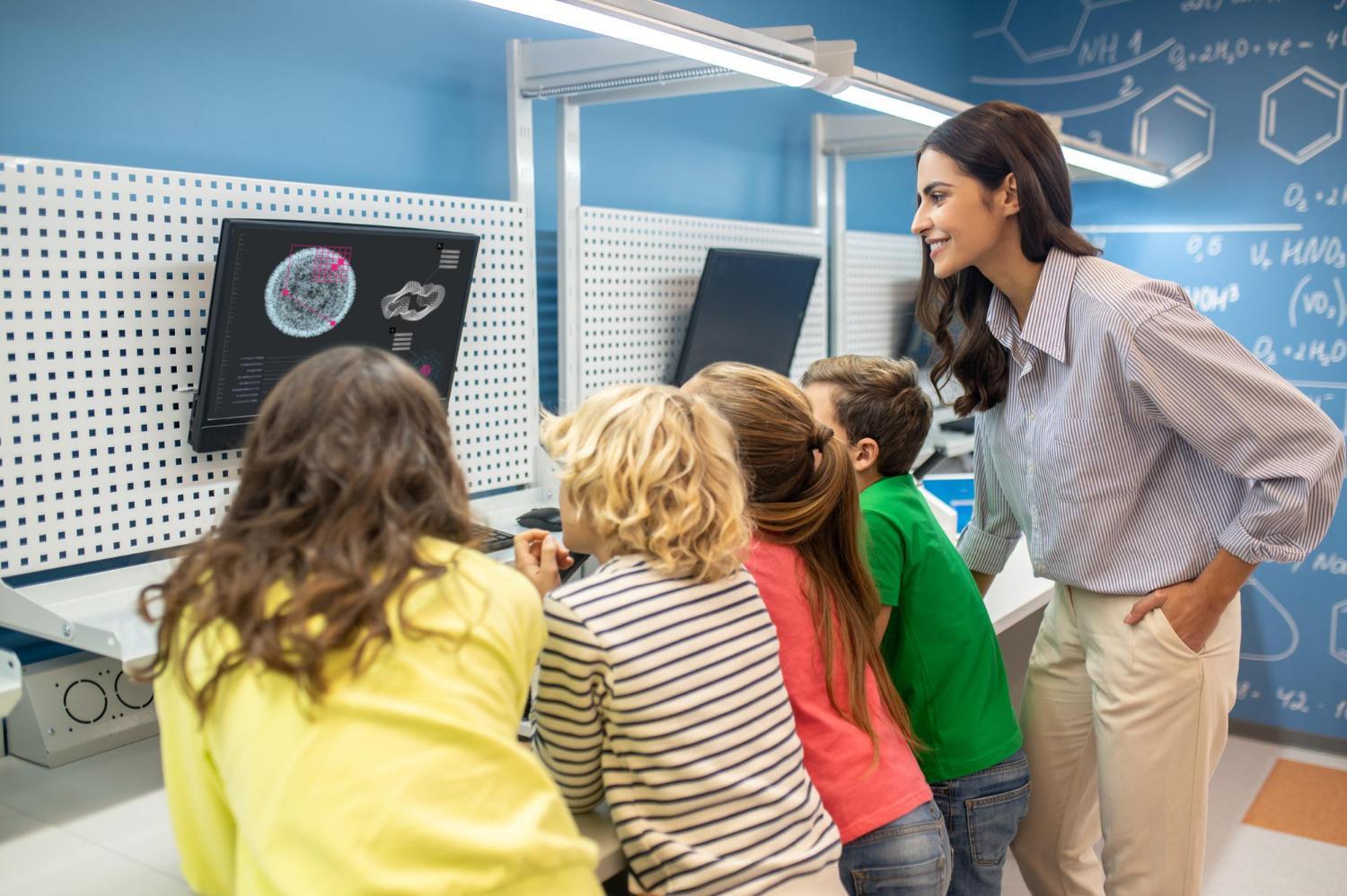
how AI is Revolutionizing Education Worldwide Through Personalization
In the rapidly evolving digital era, Artificial Intelligence (AI) stands at the forefront of educational conversion. Across the globe, schools and universities are integrating AI to create tailored learning experiences, making education more accessible, engaging, and effective. This article delves deep into how AI is revolutionizing education worldwide through personalization,highlights real-world examples,and offers practical guidance for educators and learners alike.
The Rise of AI in Education
AI’s entry into the educational landscape is not just a matter of convenience — it is about meaningful change. From adaptive learning platforms to clever tutoring systems, AI’s applications in education are as diverse as they are powerful. Its true potential, though, is realized in personalization. By analyzing data on student learning habits, strengths, and areas for advancement, AI-driven tools craft individual learning paths that adapt in real time.
What is Personalized Learning?
Personalized learning leverages data and technology to customize educational content, pace, and approach based on each learner’s unique needs. Rather of a one-size-fits-all strategy, students receive a tailored curriculum that fosters better understanding and maximizes potential.
- Adaptive content: Dynamic adjustment of lesson materials based on ongoing assessments.
- Customized pace: Students progress at a agreeable speed, ensuring mastery before moving forward.
- Diverse formats: Varied media—videos, articles, interactive quizzes—cater to different learning styles.
Key Benefits of AI-Powered personalized Education
Transitioning to AI-driven personalized learning delivers transformative benefits for students, educators, and educational institutions worldwide.
1. Improved Learning Outcomes
- Targeted instruction: AI analyzes individual strengths and gaps, guiding learners through concepts at their optimal level.
- Real-time feedback: Instant assessments and recommendations help students grasp topics more effectively.
- Boosted motivation: Custom challenges and positive reinforcement encourage sustained engagement.
2. Enhanced accessibility and Inclusion
- Support for diverse learners: AI tools can adapt materials for students with disabilities or language barriers.
- Global reach: AI-powered platforms bridge gaps for students in remote or underserved areas, providing high-quality content and instruction.
3.Empowered Educators
- Actionable insights: Teachers gain data-driven insights into student performance and can prioritize meaningful interactions.
- Reduced administrative burden: AI automates grading, scheduling, and routine tasks, freeing up time for creative teaching.
How AI is Transforming Educational Approaches
The impact of artificial intelligence in education goes beyond individualized learning. Let’s explore some of the most significant ways AI is revolutionizing global education through personalization:
Adaptive Learning Platforms
Adaptive learning technology uses AI algorithms to adjust content difficulty,recommend resources,and provide targeted exercises. Platforms like Khan Academy and DreamBox customize every step, ensuring each learner’s journey is unique.
Intelligent Tutoring Systems (ITS)
AI-powered tutors mimic human guidance, offering instant explanations, hints, and feedback. With systems like Carnegie Learning and Socratic by Google, students receive round-the-clock help based on their precise needs.
Predictive Analytics for Student Success
Leveraging big data,AI can forecast academic performance,at-risk students,and optimal interventions. Early identification allows educators to implement timely support and boost completion rates.
AI-Generated Content and Assessment
From creating customized practice problems to automatically grading assignments, AI accelerates the feedback loop while providing nuanced, individualized insights.
First-Hand Experiences: Case Studies in AI-Driven education
Case Study 1: Squirrel AI in China
Squirrel AI, one of China’s leading adaptive education providers, utilizes elegant algorithms to deliver personalized learning pathways to millions of students. Their research-driven platform identifies gaps in knowledge, presents micro-lessons, and adapts in real-time, resulting in a 100% increase in student retention and higher achievement rates.
Case Study 2: Content Personalization in the U.S. K-12 Segment
Major American school districts have adopted AI-powered platforms like DreamBox Learning. These solutions allowed teachers to tailor math instruction to thousands of students, leading to significant gains in standardized test scores and a notable decrease in achievement gaps between demographic groups.
case Study 3: higher Education innovation at Arizona State University (ASU)
ASU’s Adaptive Learning Lab implements AI to design personalized STEM courses that adjust to each student’s learning curve. The approach has reduced dropout rates by 18% and improved course completion across diverse student populations.
Practical Tips: Implementing AI-Driven Personalization in Your Classroom
Educators and administrators can take specific steps to harness the power of AI and offer personalized experiences:
- Adopt adaptive platforms: Integrate tools like Khan Academy, DreamBox, or Duolingo to deliver customized content.
- Analyze data regularly: Use AI dashboards to understand class performance trends and adjust teaching interventions.
- blend conventional and digital methods: AI enhances—not replaces—classroom instruction; maintain personal connections and collaborative projects.
- Prioritize data privacy: Choose reputable solutions that comply with global standards for student data protection and consent.
- Continuous professional development: Invest in AI literacy for educators to maximize technology integration and student benefits.
Challenges and Ethical Considerations
While the benefits are substantial,integrating AI in education worldwide is not without obstacles:
- Digital divide: access to AI-powered tools may be limited in regions lacking robust internet and devices.
- Algorithmic bias: AI systems must be carefully designed and monitored to avoid reinforcing stereotypes or inequities.
- Privacy concerns: Institutions must navigate student data security and maintain clear data usage policies.
SEO Benefits: Why Write About AI and Education?
With keywords like AI in education, personalized learning, and adaptive education technology rapidly trending, high-quality, informative articles rank well in search engine results. Focus on user intent—provide facts, tips, and actionable advice—to attract readers genuinely interested in educational innovation.
Conclusion: The Future of AI-Powered Personalized Education
AI is undoubtedly shaping the future of education by making personalized, engaging, and equitable experiences possible for learners everywhere.As technology continues to advance, the synergy between human educators and intelligent systems will unlock future generations’ full potential. Embracing AI-driven personalization in education is not only a matter of keeping pace with technology—it’s a commitment to lifelong learning, inclusion, and global progress.
Ready to explore AI-powered personalized learning in your organization or school? Stay tuned to our blog for the latest insights, reviews, and guides on education technology innovation!