
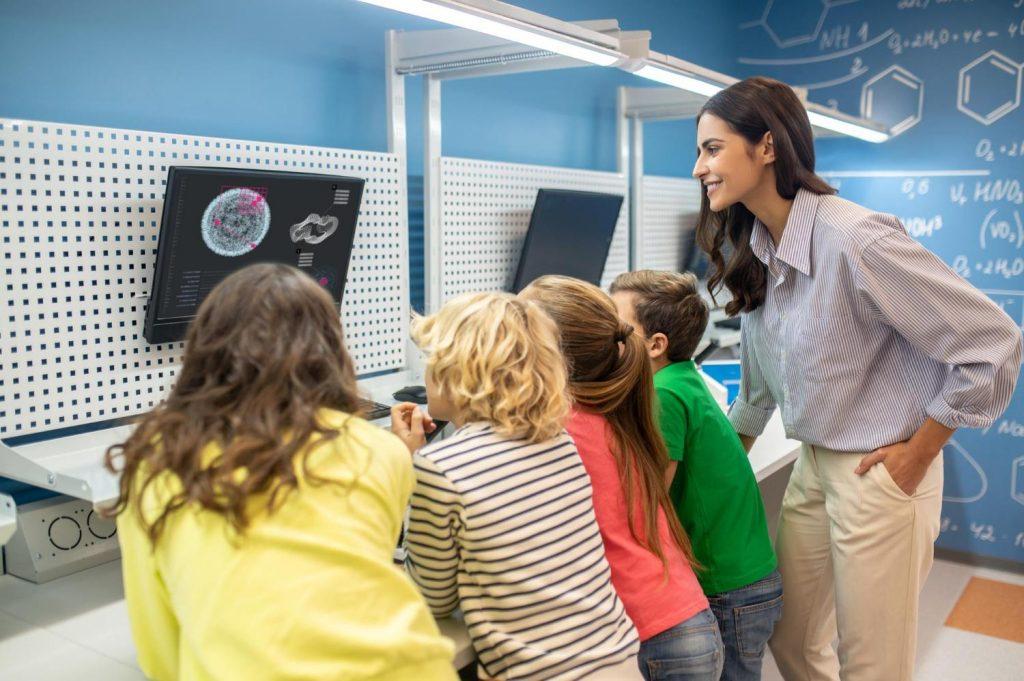
How AI Is Revolutionizing Global Education Through Personalization
Artificial intelligence is more than a buzzword—it’s a transformative force that’s rapidly reshaping the landscape of global education. As the world becomes increasingly interconnected,the need for inclusive,adaptive,and efficient learning systems has never been more pressing.Enter AI-driven personalization: a game-changer designed to cater to individual learning styles, abilities, and needs. In this article, we’ll explore how AI is revolutionizing global education through personalization, unveiling its benefits, real-world applications, and what the future holds for AI in education.
Understanding AI-Driven Personalization in Education
AI in education refers to the integration of artificial intelligence technologies—such as machine learning, natural language processing, and data analytics—into teaching and learning environments. The primary goal is personalization: delivering tailored content, recommendations, and support to each learner.
- Adaptive Learning Platforms: AI identifies knowlege gaps and dynamically adjusts the curriculum to suit each student.
- Intelligent Tutoring Systems: virtual tutors provide real-time feedback and individualized instruction.
- Predictive Analytics: AI predicts at-risk students and suggests interventions to improve learning outcomes.
- Natural Language Processing (NLP): Enhances interaction between students and digital resources for better understanding.
these technological advances contribute to a paradigm shift, making quality education accessible, efficient, and engaging worldwide.
Benefits of AI-Powered Personalization in Education
1. individualized Learning Experiences
- Customized Curriculum: AI algorithms analyze student performance data to create learning paths that fit each learner’s strengths, weaknesses, and interests.
- Real-Time Feedback: Immediate, actionable input helps students correct mistakes and understand concepts better.
2. Increased Student Engagement
- Interactive Content: Gamification and adaptive quizzes increase motivation and make learning fun.
- Relevant Resources: AI curates materials that resonate with individual learning preferences, making study sessions more effective.
3. Enhanced Teacher Effectiveness
- automated Grading: Reduces administrative workload, allowing teachers to focus on personalized instruction.
- Actionable Insights: AI analyzes class performance data, highlighting areas where students struggle and need extra attention.
4.Inclusivity & Equitable Learning opportunities
- Breaking Language Barriers: AI translation tools help non-native speakers access quality content.
- Support for Students with Special needs: AI-driven systems offer adaptive technologies for learners with disabilities, such as speech-to-text and customized pacing.
5. Scalability and Global Reach
- Accessible Education: Virtual classrooms and intelligent platforms bring quality education to remote and underprivileged regions.
- Cost Efficiency: Schools and institutions can support more students with fewer resources by automating repetitive tasks.
Real-World Case Studies: AI in Global Education
Sri lanka: AI-Powered Math Learning
in Sri Lanka,as reported by World bank, AI-powered math platforms like EdTech have accelerated numeracy rates. These platforms provide instant feedback, personalized problem sets, and remedial videos adapted to each learner’s pace.
USA: AI Tutors in K-12 Classrooms
Many American schools use AI-driven systems like Carnegie Learning and Knewton. These platforms analyze thousands of data points per student, tailoring practice questions, lessons, and learning games. the result? Higher test scores and increased student confidence.
China: AI-Driven English Language Learning
China has pioneered massive implementation of AI tutors for language acquisition, such as Squirrel AI. These tools adapt lessons to each student’s proficiency, offering instant correction and personalized pronunciation guidance. Nationwide, millions of learners benefit from this tailored approach.
“AI-driven personalization is making education more responsive, inclusive, and effective for students across all backgrounds.” — UNESCO global Education Monitoring Report
Practical Tips for Embracing AI Personalization in Your Learning Environment
- Choose the Right Platform: Select AI-powered learning tools with adaptive capabilities, user-friendly interfaces, and extensive analytics.
- Start Small: Integrate AI solutions into one subject or classroom before scaling across entire institutions.
- monitor and Adjust: Regularly analyze feedback to refine and improve the personalization process.
- Train Educators: Invest in professional development so teachers can confidently integrate AI technologies.
- Prioritize Data Privacy: Ensure all AI tools comply with local data protection regulations and keep student data secure.
Interested in leveraging AI personalization for your school or e-learning platform?Start exploring AI-powered solutions today and empower learners worldwide!
Challenges and Considerations
While the impact of AI in education is overwhelmingly positive, there are critically important challenges to consider:
- Data Privacy Concerns: Safeguarding sensitive student details against misuse and breaches is paramount.
- Algorithmic Bias: AI systems must be regularly audited for fairness to avoid reinforcing existing inequalities.
- Teacher Training Gap: ensuring educators have the skills to effectively use AI-driven personalization tools is crucial.
- Infrastructure Limitations: Some regions lack stable internet connections or modern devices, impacting access to AI-powered resources.
The key lies in strategic implementation, ongoing oversight, and fostering collaboration between policymakers, educators, technologists, and learners.
Frist-Hand Experiences: Voices From the Classroom
Teachers and students around the globe are already experiencing the value of AI personalization:
- Maria, Teacher, Spain: “As incorporating AI adaptive quizzes, my students are more motivated. It’s like each one has a tutor by their side.”
- Rohan,Student,India: “AI math apps pick exercises that directly challenge my weak areas. I finally feel like my progress matters.”
These authentic experiences highlight the everyday impact of AI, fostering deeper engagement and better learning outcomes.
The Future of AI Personalization in Global Education
Looking ahead, the potential for AI in education is boundless.Emerging trends shaping the future include:
- Emotion AI: Systems that interpret learner emotions and adapt content accordingly for greater engagement.
- Global Knowledge Networks: AI platforms that connect students and educators worldwide, fostering cross-cultural collaboration.
- Lifelong Learning Journeys: AI tools that evolve with an individual from preschool to adult education, supporting continuous upskilling.
As AI capabilities grow, education will increasingly shift from a standardized approach to one centered on unique learner pathways, breaking down traditional barriers to knowledge for everyone, everywhere.
Conclusion: Empowering Learners Through AI-Driven Personalization
The integration of AI in global education is far more than a technological upgrade—it’s a revolution in how we nurture talent, foster inclusivity, and empower students. By harnessing AI-driven personalization,we are witnessing a future where education is not one-size-fits-all,but a tailored journey that celebrates every learner’s potential. As we continue to innovate, collaborate, and prioritize ethical implementation, AI will continue to shape a smarter, more equitable world for learners across the globe.