
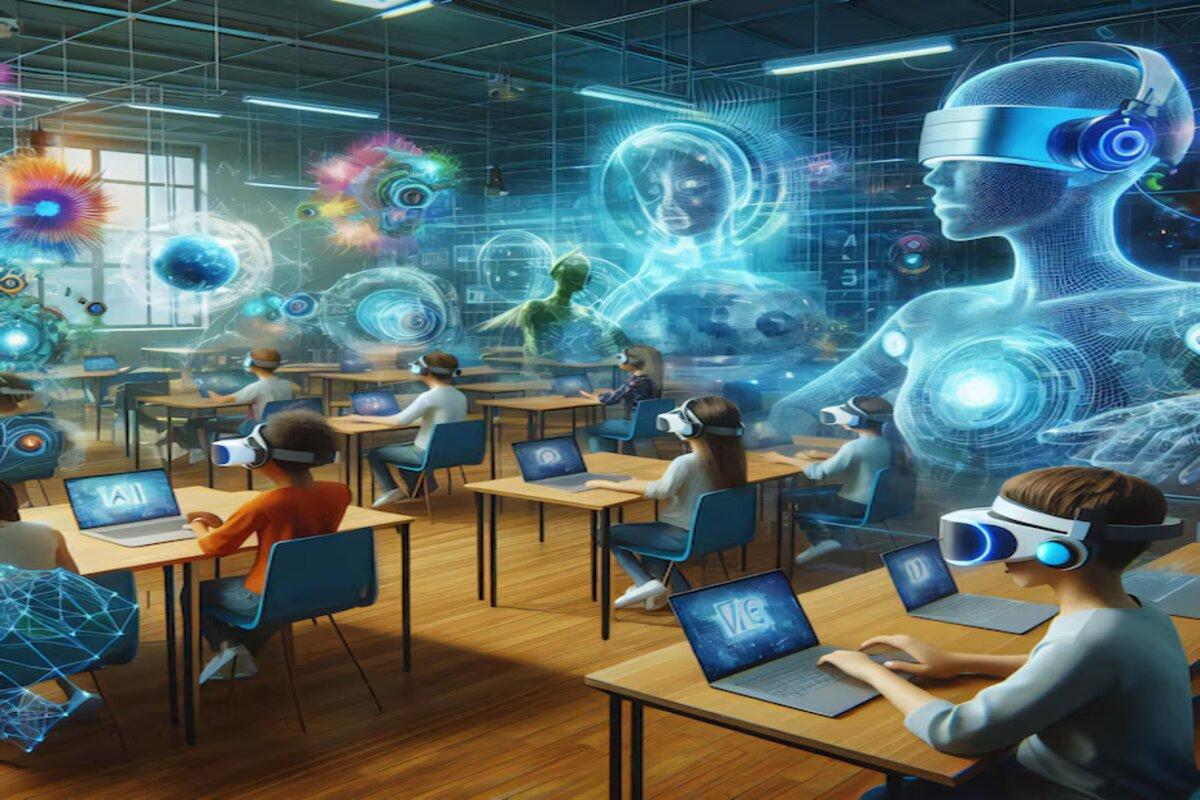
How AI Is Revolutionizing Global Education Through Personalized Learning
In today’s fast-paced, technology-driven world, artificial intelligence (AI) is transforming nearly every aspect of our lives—including the way we learn and teach. AI-powered personalized learning is at the forefront of a revolution that is reshaping global education. From providing tailored support to students, to helping educators deliver more effective lessons, and making education more accessible worldwide, AI’s impact is nothing short of groundbreaking. Whether you’re an educator, a student, a parent, or simply a technology enthusiast, understanding how AI is revolutionizing global education will open your eyes to the immense possibilities of this digital era.
The Rise of AI in Education
The integration of artificial intelligence in education is accelerating rapidly as schools, universities, and edtech companies seek innovative ways to improve learning experiences. Leveraging powerful algorithms and vast data resources, AI platforms are able to:
- Analyze student performance in real-time
- Identify individual learning styles, strengths, and weaknesses
- Provide customized content and feedback
- Automate grading and administrative tasks
This fusion of technology and teaching is paving the way for a more efficient, flexible, and inclusive educational ecosystem.
What Is Personalized Learning?
Personalized learning is an educational approach that tailors instruction, pace, and content to each student’s unique needs and goals. Instead of the one-size-fits-all conventional method, students receive individualized support and resources that maximize their potential.AI-based systems facilitate personalized learning by constantly adapting to student inputs and learning data, delivering content that’s most relevant and impactful.
Key Benefits of AI-Powered Personalized Learning
- Adaptive Learning Paths: AI analyzes student data and crafts individualized learning journeys, automatically adjusting lesson difficulty, pace, and learning styles.
- Instant, Data-Driven Feedback: Students and teachers receive real-time insights, helping address gaps and reinforce concepts before misconceptions become habits.
- Greater Engagement & Motivation: Interactive, gamified modules powered by AI keep students motivated and invested in their learning progress.
- Accessibility & Inclusivity: AI removes barriers for learners with disabilities or language differences by providing customized resources (like text-to-speech, translations, etc.).
- administrative Efficiency: Teachers can automate routine tasks like grading, freeing up time for lesson planning and one-on-one instruction.
Real-World Examples: AI in Global Classrooms
Several institutions and platforms worldwide are leading the charge in deploying AI for personalized learning. Let’s look at a few standout case studies:
- Duolingo: This AI-driven language learning app adapts lessons in real-time, adjusting to a user’s progress, strengths, and weaknesses, making language acquisition faster and more effective for its 500+ million users worldwide.
- Squirrel AI (China): Leveraging advanced algorithms, Squirrel AI delivers adaptive tutoring that mimics experienced human teachers, significantly boosting student outcomes across diverse subjects and geographical regions.
- IBM Watson Education: Partnering with schools in the U.S. and Europe, IBM’s Watson platform supports teachers by identifying at-risk students, recommending personalized interventions, and automating administrative tasks.
- Coursera & EdX: These online learning platforms utilize AI to recommend courses, generate adaptive assessments, and foster peer-to-peer interactions for millions of global learners.
Challenges and considerations in Implementing AI in Education
While the benefits are massive, integrating AI for personalized learning in education isn’t without challenges:
- Data Privacy: Collecting and analyzing student data raises concerns about security, consent, and potential misuse. Schools must adhere to strict privacy policies and ensure data protection.
- Accessibility gap: There is a digital divide between well-resourced and underprivileged regions, perhaps entrenching educational inequalities if not addressed.
- Teacher Training: Educators need robust training to effectively integrate AI tools into their teaching strategies.
- Algorithmic Bias: AI systems can unintentionally reinforce biases if not carefully monitored and programmed with diverse datasets.
Addressing these issues requires ongoing collaboration between edtech companies, governments, teachers, and communities to develop ethical, inclusive AI solutions.
Practical tips for Educators & Institutions Adopting AI Technology
- Start Small: Pilot AI-powered solutions in select classrooms or subjects to gauge impact before rolling them out school-wide.
- invest in Training: Offer professional advancement opportunities for teachers and admins to build confidence and familiarity with AI tools.
- Focus on Data Ethics: Prioritize student privacy and ethical data handling practices. Be transparent with parents and students about data collection and use.
- Collaborate and Share Insights: Join global educator networks or communities to exchange best practices and lessons learned from AI integration.
First-Hand Experience: The Student and Teacher Perspective
Across the globe, students and teachers are already experiencing the advantages of AI-driven personalized learning.Students report feeling more in control of their education, as they can progress at their own pace and receive immediate feedback on assignments. Teachers appreciate the time saved on grading and administrative work, allowing them to focus on mentoring and creative lesson planning. In inclusive classrooms, AI tools provide special support for learners with disabilities, offering resources tailored to their unique needs for a truly equitable education.
“Thanks to AI, my students who struggled with reading comprehension now have access to texts at just the right difficulty. Their confidence and grades have soared!”—Maria, Secondary School Teacher, Spain
Future Outlook: AI as a Catalyst for Educational Equity
AI’s role in global education is set to expand further as technology becomes more affordable and scalable. Innovations like voice-recognition for remote assessment, predictive analytics for student retention, and cross-lingual support will continue bridging gaps for learners in every corner of the world. The ultimate promise of AI-powered personalized learning is an education system where every student has equal chance to succeed—nonetheless of location, language, or ability.
Conclusion: Embracing AI for a Brighter Educational Future
The fusion of artificial intelligence and personalized learning is truly revolutionizing global education.From adaptive digital tutors to real-time student insights, AI is creating more engaging, effective, and accessible classrooms than ever before. While challenges remain, embracing these transformative technologies—ethically and inclusively—will unlock greater opportunities not just for individual students, but for our collective future. To stay ahead and maximize the benefits, it’s essential for educators, institutions, and policy makers to actively invest in and shape the educational AI landscape. As AI continues to evolve, so too will the possibilities for learning and achievement all over the world.