
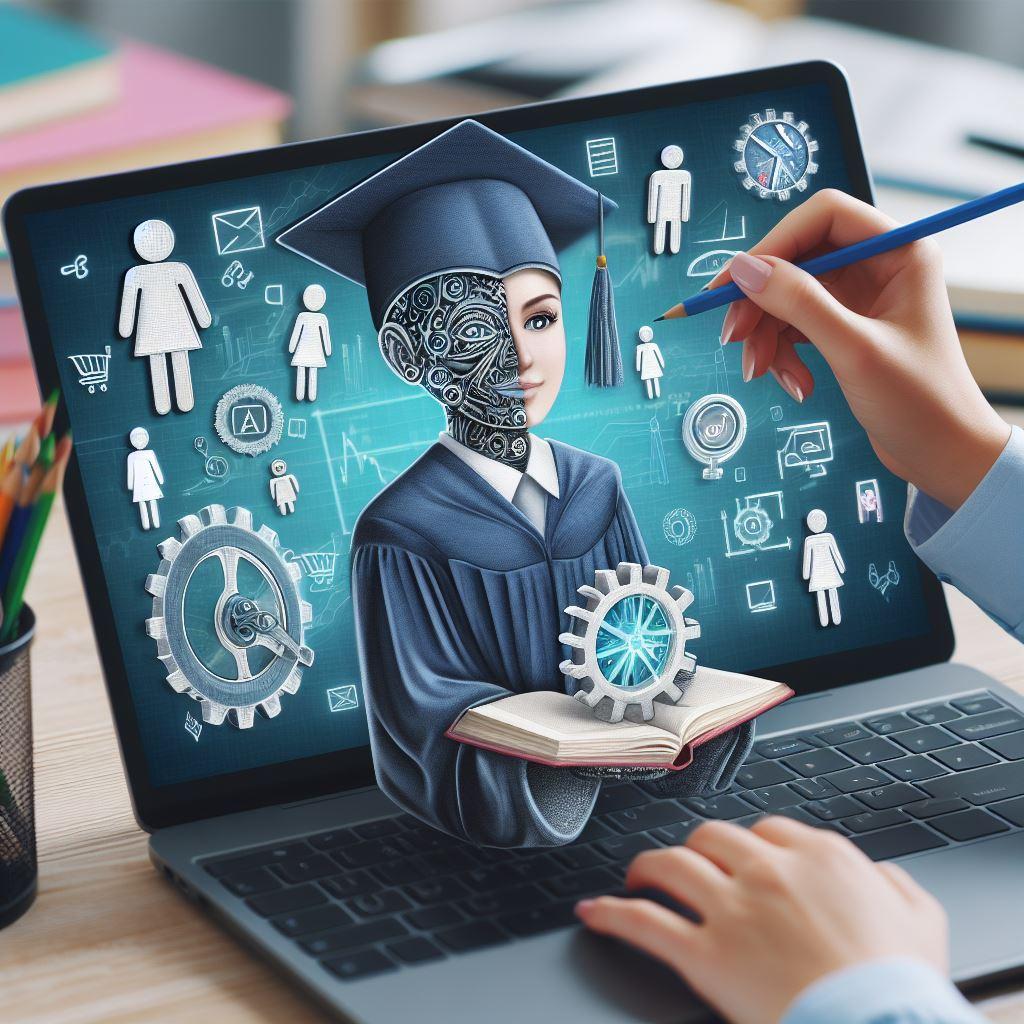
How AI Is Revolutionizing Special Education: Bridging the Gap for Diverse Learning Needs
Special education has always been about adapting teaching methods and materials to fit the unique learning needs of each student. With the rapid advances in artificial intelligence (AI), we’re witnessing a remarkable transformation in the ways educators address the diverse requirements of learners with disabilities. From adaptive learning platforms to AI-driven dialogue tools,the power of artificial intelligence is truly revolutionizing special education and bridging achievement gaps for students with learning differences.
Why AI in Special Education Matters
Artificial intelligence offers personalized, data-driven solutions that help educators create more inclusive and effective learning environments. With AI, special education can go beyond traditional one-size-fits-all models, ensuring that every learner receives the support they need. Here’s why integrating AI in special education is a game-changer:
- Personalized Learning Paths: AI systems analyze student data and learning patterns to tailor educational content according to individual strengths, weaknesses, and interests.
- Continuous Real-Time Assessment: Machine learning models provide ongoing feedback, allowing educators to adjust instruction instantly based on student progress.
- Enhanced Accessibility: AI-powered tools offer features like text-to-speech, speech-to-text, and language translation, making education more accessible for students with various disabilities.
- Data-Driven Decisions: Educators and administrators can leverage AI analytics to modify teaching strategies and develop targeted interventions.
Key benefits of AI for Diverse Learning Needs
Implementing AI in special education delivers substantial benefits for students, teachers, and parents alike. Let’s explore some of the most significant advantages.
1. Personalized Instruction at Scale
Unlike traditional methods, AI-driven platforms can instantly adapt lessons to match the unique pace and learning style of every student. Personalized instruction helps bridge the gap for students with autism, ADHD, dyslexia, and other learning disabilities.
2. Breaking Down Communication Barriers
AI-powered communication aids, such as speech recognition and augmentative and alternative communication (AAC) apps, empower nonverbal students or those with speech impairments to actively participate in the classroom and express themselves more effectively.
3. Enhanced Accessibility Tools
technologies like AI-enabled text-to-speech, screen readers, and language translation ensure that learning materials are accessible to students with visual, auditory, or language processing challenges. Such tools also support inclusive education for English Language Learners (ELLs) and students from diverse backgrounds.
4. On-Demand Learning Support
AI tutoring systems provide timely, customized assistance both in-class and at home. This empowers students to learn at their own pace while maintaining engagement and motivation.
5. Early Identification and Intervention
Machine learning algorithms can spot early warning signs of learning difficulties, behavioral issues, or emotional challenges—sometimes even before they become apparent to educators or parents.Early detection leads to prompt interventions and improved lifelong outcomes.
Real-World Applications and Case Studies
Many innovative schools and organizations are already leveraging AI in special education with impressive results.Here are a few inspiring examples:
AI Writing Assistants: Platforms like Grammarly and Ginger help students with dyslexia or writing difficulties by offering real-time grammar,punctuation,and spelling corrections,reducing frustration and boosting confidence.
Text-to-Speech (TTS) and Speech-to-Text (STT) Support: Tools such as Kurzweil 3000 and Speechify accommodate students with reading and writing challenges,fostering independence in both classroom and remote learning environments.
AI-Powered Behavior Monitoring: Machine learning apps can track patterns in student behavior and alert educators to possible triggers for anxiety or disruptive conduct,helping create safer,more supportive classrooms.
Adaptive Math and Literacy Software: Products like dreambox Learning and Kidaptive personalize lessons based on each student’s comprehension level, closing skill gaps and enhancing outcomes for students with special needs.
First-Hand Experience: Voices from the Classroom
Teachers,parents,and students report dramatically positive changes after integrating AI tools in special education settings:
- “My nonverbal child now communicates independently through an AI-powered app.It’s made a world of difference in our daily life!” – Special needs parent
- “We’re seeing better engagement, fewer meltdowns, and higher achievement. Students feel seen and supported like never before.” – Special education teacher
- “The adaptive math program helps me learn at my own pace without feeling embarrassed. I finally enjoy school!” – Student with ADHD
Practical Tips for Implementing AI in Special Education
If you’re ready to harness the benefits of AI for diverse learning needs, here are some practical steps for educators and administrators to get started:
- Assess Student Needs: Identify the unique challenges and abilities of your students to determine which AI tools will be most effective.
- Pilot Test solutions: Start small by trialing one or two AI-powered applications before school-wide implementation.
- Focus on Accessibility: Prioritize tools that adhere to accessibility and data privacy standards, ensuring equitable access for all students.
- Foster Collaboration: Work closely with IT staff, special educators, parents, and students to select and customize AI resources.
- Provide Ongoing Training: Offer continuous professional development so teachers can effectively integrate AI technology into their instruction.
Future Prospects: The Evolution of AI in Special Education
The future of AI in special education is exceptionally promising. as machine learning models grow more refined, we can expect new features such as emotion-aware tutoring, predictive analytics for individualized interventions, and smart content creation tailored for every learner profile. Moreover, as costs decrease and awareness grows, AI-driven educational solutions will become more available in mainstream K-12 classrooms, ensuring that all students—nonetheless of ability—can reach their fullest potential.
Conclusion: AI Is a Catalyst for Inclusive Education
Artificial intelligence is transforming the landscape of special education by providing powerful tools that adapt to each learner’s needs, making personalized, inclusive, and effective education a reality. By embracing AI in special education, schools can bridge gaps, empower educators and students, and ultimately, create brighter futures for all.
Whether you’re an educator, administrator, or parent, exploring AI-driven resources and staying informed about the latest advances in special education technology will help you unlock the full potential of every learner. AI in special education isn’t just a trend—it’s the future of inclusive,accessible learning.