
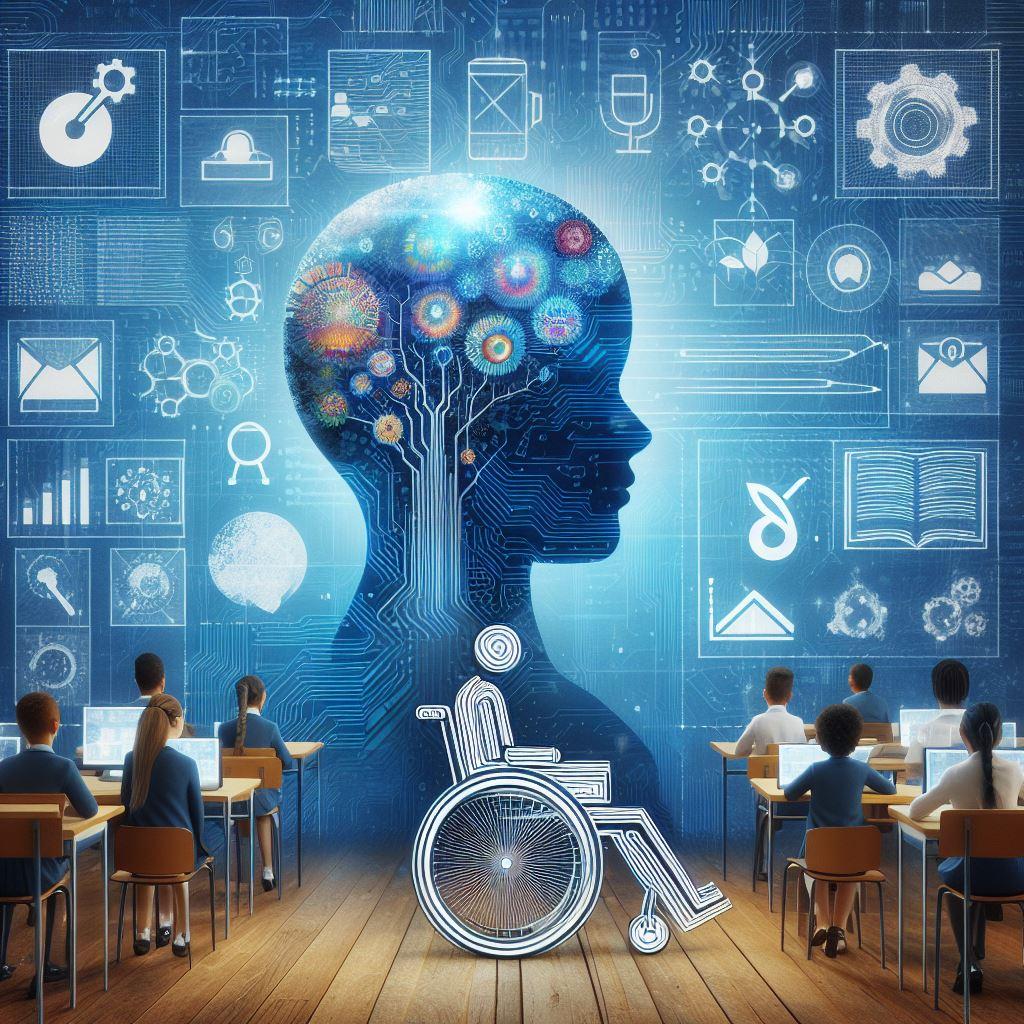
How AI Is Revolutionizing Special Education: Bridging the Gap for Students with Special Needs
Artificial intelligence (AI) is rapidly transforming numerous sectors, but perhaps nowhere is its impact as profound—and as promising—as in special education. AI is not only reshaping how students with special needs access learning but also empowering educators and parents to deliver more personalized, accessible, and impactful experiences. In this in-depth article, we’ll explore how AI is revolutionizing special education, the tangible benefits it brings, real-world case studies, and practical tips for leveraging AI tools to bridge educational gaps for students with special needs.
Introduction: The Need for Innovation in Special Education
Customary teaching methods often struggle to address the unique challenges faced by students with disabilities or special learning requirements. With classrooms becoming more diverse, the need for personalized and inclusive solutions is greater than ever. AI-powered technologies have opened new doors, offering hope where one-size-fits-all curricula have fallen short.From adaptive learning platforms to speech recognition, AI is closing the gap in accessible education.
How AI Is Transforming Special Education
AI’s applications in special education are wide-ranging and continually evolving. Here’s how AI empowers students, educators, and caregivers:
1. Personalized Learning Experiences
- Adaptive lesson plans: AI analyzes a student’s strengths and areas for advancement, automatically adjusting materials or challenges to fit their learning pace.
- Individualized support: AI-driven platforms such as DreamBox Learning or Kurzweil 3000 tailor exercises according to each learner’s needs, making education more effective.
2. enhanced Accessibility
- Speech-to-text and Text-to-Speech: AI tools assist students with visual or hearing impairments by converting spoken words into written text or vice versa.
- Real-time translation: AI-powered translation facilitates communication for students with language-based disabilities or non-English speakers.
- Augmentative and Alternative Communication (AAC): Apps like Proloquo2Go enable non-verbal children to express themselves effectively through AI-enhanced symbol selection.
3. Assistive Technologies for Specific Needs
- Predictive text & spelling correction: AI helps those with dyslexia or other learning disabilities by suggesting correct spelling as they type.
- Emotion recognition software: Some AI tools can analyse student facial expressions or voice tone to help educators identify distress or engagement levels, allowing for prompt intervention.
- Reading comprehension support: AI can simplify complex texts or offer alternative formats, supporting students with cognitive disabilities.
4. teacher and Caregiver Support
- Automated assessments and progress tracking: AI saves educators time by generating personalized reports and identifying areas requiring attention.
- Curriculum recommendations: AI systems suggest modifications based on student needs, reducing guesswork and ensuring effective differentiation.
- Professional growth: Platforms can highlight teaching strategies tailored to various disabilities.
The Benefits of AI in Special Education
integrating AI in the classroom offers substantial benefits, such as:
- Equitable access: Every student, regardless of ability, can access tailored materials and participate in class activities.
- Early intervention: Predictive analytics help identify learning challenges sooner, increasing the likelihood of positive educational outcomes.
- Increased engagement: Interactive, gamified, or multi-sensory AI resources boost student interest and motivation.
- Scalability: Once implemented,AI tools can support large numbers of students without sacrificing quality or personalization.
- Reduced teacher burnout: By handling repetitive administrative tasks, AI allows educators to focus on higher-value interactions and instructional planning.
Real-Life Case Studies: AI Changing Lives in Special Needs Education
An elementary school in California adopted AI reading software for students with dyslexia. The system automatically adjusted text complexity, offered instant audio playback, and highlighted keywords. Within a semester,reading scores rose by 20%,and students reported greater reading confidence.
A public school district equipped non-verbal learners with AI-based AAC devices. These students, who previously struggled to communicate basic needs, started expressing thoughts, participating in group activities, and even forming friendships, thanks to personalized word recommendations and adaptive symbol libraries.
In a UK secondary school, AI emotion-recognition tools monitored facial expressions during online lessons. Teachers received alerts when a student showed signs of distress, enabling early support and intervention. The result: improved attendance and fewer behavioral incidents among students with autism and emotional disorders.
first-Hand Experiences: A Parent’s Perspective
Marie, a parent of a child on the autism spectrum, shared:
“Before we discovered AI-powered AAC apps, my son would get frustrated trying to express himself. Now, he not only shares what he wants, but enjoys ‘talking’ with classmates. His confidence has soared, and our family life is so much better.”
practical Tips: Integrating AI Tools for Special Needs Education
Wont to start using AI to enhance learning for students with special needs? Here are some practical steps:
- Evaluate specific needs: Consult with specialists, parents, and students to identify which AI or assistive technology solutions fit best.
- Start small: Pilot simple, user-friendly AI tools such as text-to-speech or adaptive reading platforms before expanding to more complex systems.
- Prioritize privacy and security: Ensure all AI tools comply with FERPA and local data protection standards to protect student information.
- Train staff and students: Offer workshops to familiarize teachers, aides, and families with the new technologies.
- Monitor impact: Use built-in analytics to assess student engagement, performance, and satisfaction, making adjustments as needed.
Potential Challenges and Considerations
While AI is a powerful catalyst for change,there are hurdles and ethical questions to consider:
- Digital divide: Not all students have access to reliable internet or devices at home.
- Bias and inclusivity: AI systems can inadvertently reinforce biases if they’re not developed with diverse datasets.
- Human touch: Technology should enhance—not replace—the essential relationships between students, teachers, and peers.
It’s crucial that educational institutions deploy AI thoughtfully, with ongoing oversight and a focus on human-centered learning.
Conclusion: The Future of AI in Special Needs Education
As breakthroughs in artificial intelligence continue, the potential for AI to revolutionize special education grows stronger with each day. Whether it’s through dynamic learning algorithms, complex accessibility tools, or data-driven insights, AI is rapidly closing the education gap for students with special needs. By embracing these innovative solutions, educators, parents, and policymakers can help build a more inclusive, equitable, and inspiring learning surroundings for all children.
Looking ahead, one thing is clear: The transformative power of AI can empower every learner, regardless of ability, to reach their full academic and personal potential. Now, more than ever, is the time to embrace this exciting future for special education.