
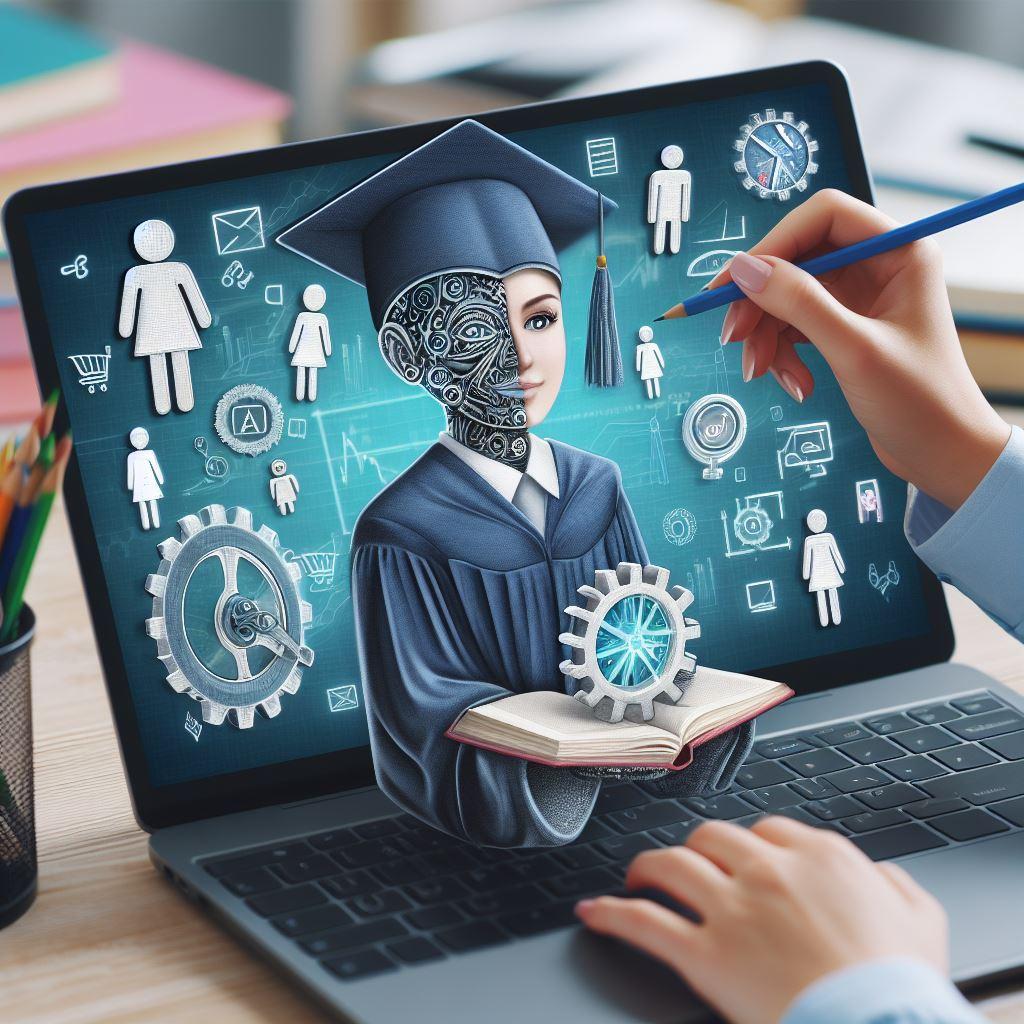
How AI Is Revolutionizing Special Education: Bridging the Gap for Students with Unique Needs
In today’s rapidly evolving world, artificial intelligence (AI) in special education is creating unprecedented opportunities for students with unique learning needs. from personalized learning paths to improved accessibility, AI-powered tools are transforming how educators teach and support students with disabilities or learning differences. This extensive article explores how AI is bridging the gap for students with unique needs,offering practical insights,real-world case studies,and tips to maximize the benefits of AI in special education classrooms.
Understanding the Role of AI in Special Education
Artificial intelligence in special education refers to the use of advanced computer algorithms and machine learning to deliver tailored educational experiences, adapt to diverse learning styles, and empower students facing cognitive, sensory, or physical challenges. By analyzing student data and feedback, AI can generate personalized content, provide instant feedback, and enable adaptive learning—all crucial for helping special needs students achieve their fullest potential.
- Personalized learning: AI adapts content and difficulty based on individual progress.
- Accessibility tools: Speech recognition, text-to-speech, and visual aids enhance educational access.
- Data-driven insights: AI helps teachers identify strengths, weaknesses, and intervention opportunities.
- Language and interaction support: AI assists with alternative communication for non-verbal students.
Key Benefits of AI for Students with Unique Needs
The adoption of AI in special ed classrooms provides a wealth of benefits that help bridge educational gaps and foster inclusive learning environments. Here are the most significant advantages:
1. Highly Personalized Learning
Every student is different, especially in special education. AI-powered learning platforms adapt in real-time, customizing lesson pace, format, and content based on each student’s preferences and needs. Such as, students with dyslexia may receive reading material in simplified text or audio form, while others might benefit from visual aids.
2. Improved Accessibility
- Text-to-speech and speech-to-text: Ideal for students with visual impairments or dyslexia.
- Real-time captioning: Benefits students who are deaf or hard of hearing.
- Alternative input methods: Enables physical accessibility using voice commands or eye-tracking technology.
3. Enhanced Teacher Support
- Automated grading and progress tracking free up teacher resources.
- Individualized education plan (IEP) suggestions based on student data trends.
- Professional development through AI-driven recommendations for tailored teaching strategies.
4. Early Intervention and Continuous Progress Monitoring
AI-driven analytics can detect subtle changes in student performance,enabling early interventions that are critical for students with learning disabilities or behavioral needs. Teachers and parents receive actionable insights, allowing for real-time support.
Practical Applications: Real-Life Examples and Case Studies
Case Study: AI-Powered Reading Assistant for Dyslexic Students
At a public elementary school in Seattle, the implementation of an AI-based reading assistant dramatically improved reading comprehension among students with dyslexia. The tool customized word spacing,font types,and reading speed. After six months,over 80% of participating students displayed measurable progress in reading fluency,as reported by their special education teachers.
Case study: Inclusive Classrooms with AI-Powered communication Devices
In an inclusive classroom in Austin,teachers integrated AI-driven augmentative and Alternative communication (AAC) devices to help non-verbal students express themselves. Using predictive text and real-time speech synthesis, these devices significantly boosted classroom participation and peer interaction.
AI Tools Making a Difference
- Google’s Reading Progress: Analyzes oral reading fluency for personalized feedback.
- Microsoft Immersive Reader: Alters font, spacing, and colors to accommodate visual preferences.
- Otter.ai and Ava: Real-time transcription tools for hearing-impaired students.
- Ghotit Real Writer: Helps students with dyslexia and dysgraphia write more confidently using advanced AI correction algorithms.
Expert Insights: First-Hand Experiences from Classrooms
Special education teachers and parents have witnessed transformative change with AI in education for students with special needs. Here are some impactful perspectives:
- Teacher viewpoint: “AI tools allow me to focus more on building relationships and deliver differentiated instruction. Automated insights show me exactly where a student is struggling, so I can intervene sooner.” – Marie Edwards, Special Education Teacher, Texas
- Parent perspective: “My son struggled with reading for years. the AI reading platform not only helped him catch up but also boosted his confidence.” – Angela Rodriguez, Parent
Best Practices for Implementing AI in Special Education
To maximize the effectiveness of AI-driven special education solutions, schools and educators should consider these practical tips:
- Assess individual needs: Choose AI tools that align with your students’ specific disabilities and learning preferences.
- Provide staff training: Ensure educators are well-versed in using AI-powered platforms and interpreting the resulting data.
- Prioritize privacy and ethics: Confirm that all AI applications comply with relevant privacy laws (such as FERPA or GDPR) and ethical guidelines.
- Involve parents and specialists: Collaborate with families and specialists to create a holistic support system for each student.
- Iteratively evaluate impact: Regularly monitor, review, and adjust AI tool usage based on student progress and feedback.
Challenges and Considerations
While AI is unlocking new possibilities in special education, it’s vital to acknowledge the challenges:
- Digital divide: Not all students have equal access to devices or high-speed internet.
- Need for human interaction: AI cannot replace the empathy and understanding offered by qualified teachers and aides.
- Data privacy: Safeguarding sensitive data remains a top priority.
- Bias in algorithms: Ensuring AI systems are free of bias for fair and equitable support.
Conclusion: The Future of Special education with Artificial Intelligence
AI is revolutionizing special education by closing learning gaps, making classrooms more inclusive, and empowering both students and teachers with new possibilities. As the technology evolves, the focus must remain on thoughtful, ethical implementation and continuous collaboration among educators, parents, and AI developers.With the right approach, AI will continue to bridge the gap for students with unique needs, ensuring that every learner has the resources and opportunities they deserve.
If you’re an educator, school leader, or parent interested in leveraging the power of AI in special education, now is the time to explore these pioneering tools, share success stories, and contribute to a brighter, more inclusive tomorrow for all students.