
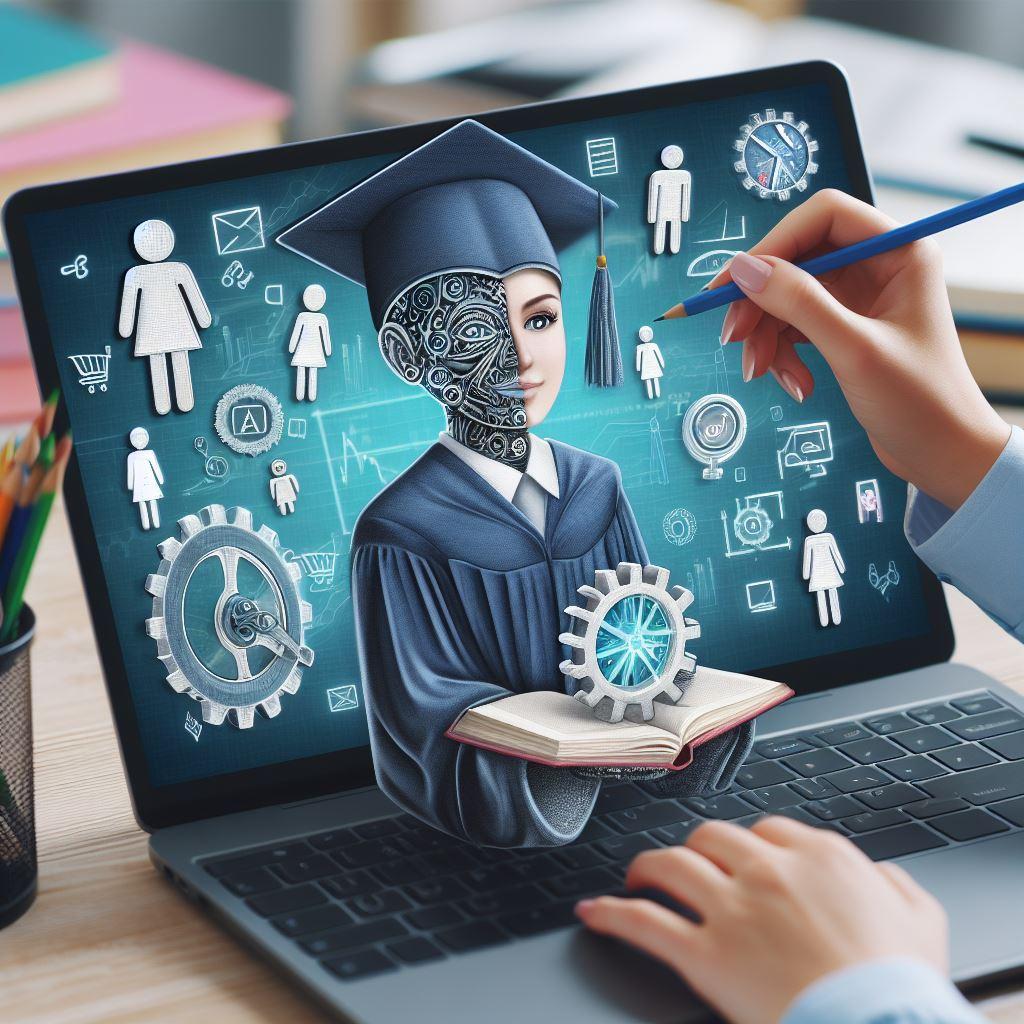
How AI Is Revolutionizing Support for Special Education Needs: Bridging the Gap in Classrooms
Artificial Intelligence (AI) is driving an unprecedented change in education, offering innovative solutions and personalized learning experiences for students with special education needs (SEN). As more schools and educators embrace technology,AI has emerged as a powerful force in bridging the gap in classrooms,making inclusive education a more achievable reality. In this article, we’ll explore how AI is revolutionizing special education support, its significant benefits, best practices, and inspiring real-world examples.
Understanding Special Education Needs and the Challenge of Inclusion
Special education needs encompass a broad spectrum of learning differences and disabilities, including dyslexia, autism spectrum disorders (ASD), ADHD, and physical or cognitive impairments. Customary teaching methods often fall short in addressing these diverse needs, leading to gaps in academic achievement and social integration.
Bridging these gaps requires individualized attention, accessible resources, and inclusive pedagogy. This is where AI in special education comes to the forefront, offering tailored support and breaking down barriers.
the role of AI in Special Education
AI technologies are uniquely positioned to tackle challenges faced in special education by providing:
- Personalized learning plans based on each student’s pace, interests, and abilities.
- Real-time feedback to identify and address learning difficulties as they arise.
- Assistive technologies such as speech-to-text,text-to-speech,and smart tutoring systems.
- Data-driven insights for teachers and parents to monitor progress and adapt interventions.
Key Benefits of AI for Students with Special Education Needs
Integrating AI in classrooms opens doors to numerous advantages for students, educators, and schools. Here are some of the most significant benefits:
1. Personalized Learning Experience
AI algorithms analyze student data to craft customized learning pathways. This ensures that every learner,regardless of their abilities,can progress at their own pace.
- Adaptive learning platforms adjust questions and content in real time.
- Lessons are presented in multiple formats (visual, auditory, kinesthetic) to match learning preferences.
2.Enhanced Accessibility
AI-powered assistive tools break physical and cognitive barriers:
- Text-to-speech: helps students with reading challenges or visual impairments.
- Speech recognition: Assists those with limited motor skills in writing or communication.
- Automated captions and translation: Foster inclusivity for multilingual and hearing-impaired students.
3. Early Identification and Intervention
Machine learning models can detect learning difficulties earlier than traditional assessments, allowing timely and effective intervention.
- Pattern recognition identifies students at risk.
- Alerts prompt teachers and parents to take action.
4. improved Teacher Efficiency
By automating administrative tasks and providing actionable insights, AI enables teachers to focus on what matters most—supporting and engaging with their students.
- Automated grading and progress tracking.
- Personalized resource recommendations for each student.
AI Tools and Technologies Transforming Special Education
The technological landscape is rich with AI-driven tools designed to support special education needs:
- Smart Content Creation Tools: Automatically generate accessible learning materials (e.g.,Microsoft’s Immersive Reader).
- AI Tutoring Systems: Platforms like Carnegie Learning or DreamBox adapt exercises to student performance in real time.
- Speech Recognition Apps: Apps like Voiceitt empower students with speech impairments to communicate more efficiently.
- Predictive Analytics Platforms: EdTech systems forecast potential challenges and suggest personalized interventions.
Real-World Case Studies: AI in Action
Case Study 1: Personalized Learning in an Inclusive New york Classroom
A public elementary school in New York implemented an adaptive learning platform to support students with dyslexia and other learning differences. Within six months, reading scores improved by 25%, and teachers reported a significant increase in student engagement.
Case Study 2: AI-Powered Communication at a School for Autism
in California, a special needs school piloted an AI-driven speech and language app to help nonverbal students communicate. The use of speech-to-text and visual aids allowed students to express themselves and participate more fully in classroom activities. Parents and educators witnessed enhanced social interaction and emotional well-being.
Firsthand Experiences: Voices from the Classroom
Educators and students alike are witnessing the transformative power of AI:
- Sarah, a special education teacher: “AI-powered reading assistants have empowered my students to tackle challenging texts independently. It’s rewarding to see their confidence grow every day.”
- Alex, a student with ADHD: “The app my school uses lets me learn in ways that are fun and not stressful. when I get stuck, it helps me without making me feel bad.”
Practical Tips for Implementing AI in Special Education
Adopting AI in the classroom can be seamless with the right strategy. Here are some tips for educators and administrators:
- Start Small: Pilot one or two AI tools before scaling up.
- Focus on Professional Development: Provide teachers with ongoing training and support.
- Prioritize Data Privacy: Ensure all AI systems comply with data protection laws (such as FERPA, GDPR).
- Encourage Collaboration: Involve parents, caregivers, and therapists in the process for holistic support.
- Continuously Assess Impact: Monitor student outcomes and adjust strategies accordingly.
Challenges and Considerations
While the potential of AI in special education is immense, there are essential challenges to consider:
- Equity of Access: Not all schools and students have access to the latest technologies.
- Ethical Use: AI systems should respect student privacy, avoid bias, and uphold ethical standards.
- Integration: AI should complement, not replace, human interaction and expert judgment in special education.
The Future of AI in Special Education
As AI continues to advance, its role in supporting special education needs will only grow. We can expect smarter tools that understand emotional cues, virtual reality platforms for immersive learning, and increasingly personalized support that empowers every student to thrive.
Conclusion: AI as the Bridge to Inclusive Classrooms
The journey toward truly inclusive education is ongoing, but AI is proving to be a groundbreaking bridge—connecting students with special education needs to opportunities for learning and growth. By leveraging the power of AI, educators can deliver personalized, engaging, and effective instruction while nurturing the unique talents and potential of every learner.
Whether you’re a teacher, parent, or school leader, embracing AI in the classroom is more than investing in technology—it’s opening doors, breaking barriers, and ensuring all students have a chance to succeed. The future of special education is here, and AI is at its heart.