
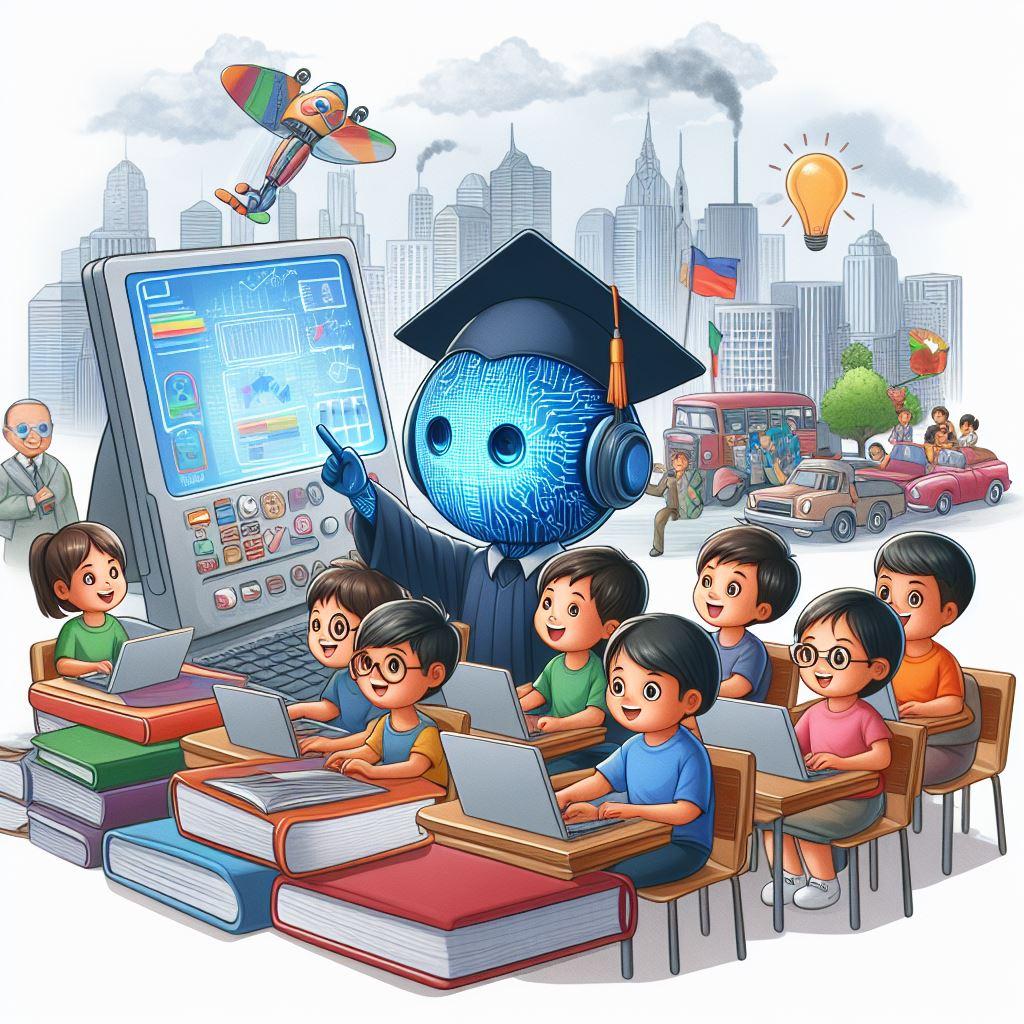
How AI is Revolutionizing Support for Students with Disabilities: Benefits, Challenges, and Future Trends
As technology continues to advance, artificial intelligence (AI) stands at the forefront of educational innovation, especially in the realm of supporting students with disabilities. By transforming traditional teaching methods and making classrooms more accessible and inclusive, AI holds the key to unlocking every student’s true potential. In this article, we’ll explore how AI is revolutionizing support for students with disabilities, discuss the key benefits and challenges, and peek into future trends shaping inclusive education.
Why AI Matters in Special Education
For decades,students with disabilities have faced notable barriers in education—ranging from inaccessible materials to standardized teaching approaches that don’t address individual needs.Today, artificial intelligence in education is bridging these gaps by providing personalized learning experiences, improving dialog, and empowering educators to offer targeted support. As global awareness and legal frameworks such as IDEA and ADA evolve, integrating AI has become pivotal to equity in education.
The Benefits of AI for Students with Disabilities
AI-powered tools and platforms offer game-changing advantages for learners with physical,cognitive,or sensory disabilities. These benefits include:
- Personalized Learning: AI algorithms analyse students’ strengths, challenges, and learning styles to recommend tailored resources, pacing, and interventions. This creates individualized education plans that adapt in real time.
- Enhanced Accessibility: AI-driven systems leverage speech-to-text, text-to-speech, and image recognition, making textbooks, lessons, and digital content accessible to students with visual, hearing, and mobility impairments.
- Real-time Support: Intelligent virtual assistants help students navigate complex assignments, schedule reminders, and provide instant feedback—empowering autonomy and confidence.
- improved Communication: AI communication aids, such as chatbots and language processing tools, enable non-verbal students or those with speech challenges to interact effectively with their peers and educators.
- Early Detection of Learning Difficulties: AI tools can identify signs of dyslexia, ADHD, or autism through patterns in behaviour and performance, enabling timely intervention.
- Adaptive Testing: Computerized adaptive testing powered by AI presents questions suited to each learner’s ability, reducing test anxiety and providing a fairer assessment landscape.
Real-World Case Studies: AI Empowering Students
The impact of AI on supporting students with disabilities is evident in schools and universities globally.Consider these real-life examples:
Case Study 1: AI-Powered Reading Assistants
Anna, a sixth-grader with dyslexia, struggled to keep up with her peers in reading assignments. With the school’s adoption of an AI-powered reading platform, Anna gained access to text-to-speech and comprehension aids. The system adjusted the reading pace and highlighted challenging words—allowing her to build confidence and improve her literacy skills at her own pace.
Case Study 2: Speech Recognition for Inclusive Classrooms
A high school integrated a speech recognition system into its classroom projectors. Students with hearing impairments could now follow lectures via real-time captioning on their devices, participate in class discussions through AI-powered chat interfaces, and access lesson transcripts for review. Overall engagement and participation rates considerably improved.
Case Study 3: AI-Based Early Intervention
An elementary school implemented an AI-driven analytics tool to monitor student behavior. Teachers received notifications suggesting targeted support for students displaying early signs of ADHD or learning difficulties,allowing for proactive and effective intervention plans that positively impacted student outcomes.
Challenges and Limitations of AI in Inclusive Education
Despite its promise, integrating AI in support of students with disabilities is not without challenges. Awareness of these barriers is key to harnessing AI ethically and effectively:
- Data Privacy and Security: Student data, especially sensitive health and learning records, must be securely stored and processed in compliance with legal standards (like FERPA and GDPR).
- Algorithmic Bias: AI models can inadvertently reflect biases present in training data, potentially leading to misdiagnosis or unequal support. Regular audits, diverse data sets, and transparent algorithms are essential.
- Accessibility of AI Tools: Not all AI platforms are designed with worldwide accessibility in mind. Developers and educators must collaborate to ensure tools cater to the varied needs of students with disabilities.
- Teacher training: Educators require adequate training to leverage AI tools effectively and interpret their recommendations. An ongoing professional development program is crucial.
- Cost and Resource Constraints: Implementing cutting-edge AI technologies can be expensive for cash-strapped districts. Advocacy for public funding and collaborative purchasing schemes can definitely help bridge the gap.
Practical Tips for Schools and Educators
if you’re an educator or school administrator considering AI integration to support students with disabilities, keep these practical strategies in mind:
- assess Individual Needs: Collaborate with special education professionals, parents, and students to identify the most beneficial AI tools and accommodations.
- Prioritize Accessibility: Always check that AI tools are compatible with assistive technologies and adhere to the Web Content Accessibility Guidelines (WCAG).
- Start Small, Scale Gradually: Pilot AI programs with a select group of students before schoolwide implementation, gathering feedback to enhance deployment.
- Ensure Privacy compliance: Choose AI solutions that prioritize data protection and transparency. Review software terms and collaborate closely with IT staff.
- Invest in Training: Facilitate workshops and peer-to-peer support so teachers feel confident using AI and interpreting its insights.
- Encourage Student Voice: Regularly seek feedback from students with disabilities to refine the support they receive and foster a sense of agency.
Future Trends: What’s Next for AI and Inclusive Education?
The intersection of AI and special education is evolving rapidly. Here’s a look at key trends that will shape the future:
- Emotion-Aware AI: Future classroom AI will recognize students’ emotional states and mental well-being,offering adaptive support and alerting educators to social or emotional challenges in real time.
- multimodal Learning Environments: AI systems will deliver lessons via multiple sensory channels (visual, auditory, haptic), ensuring every student finds a learning modality that works best for them.
- Smart Wearables: Integration of AI-powered devices like hearing aids, braille readers, and communication boards will further empower students to participate independently in daily school life.
- decentralized AI Platforms: Open-source and cloud-based AI solutions will democratize access, allowing schools of all sizes and budgets to implement accessible technologies.
- Stronger Policy Support: As success stories grow,expect changes in education policy to drive mandatory inclusion of AI-powered accessibility tools in school curricula worldwide.
Conclusion: The Path Toward Truly Inclusive Education
artificial intelligence is revolutionizing support for students with disabilities—not by replacing traditional teaching, but by amplifying it. as AI-powered tools continue to mature, they offer the promise of accessible, responsive, and genuinely personalized education for all. Success, however, depends on responsible implementation, ongoing collaboration between technology developers and the education community, and unwavering commitment to student agency and rights.
By embracing both the opportunities and challenges, schools and educators can ensure that every child—irrespective of ability—has the tools they need to thrive in the digital age. AI holds enormous potential to truly level the playing field and turn the vision of inclusive education into an inspiring reality.