
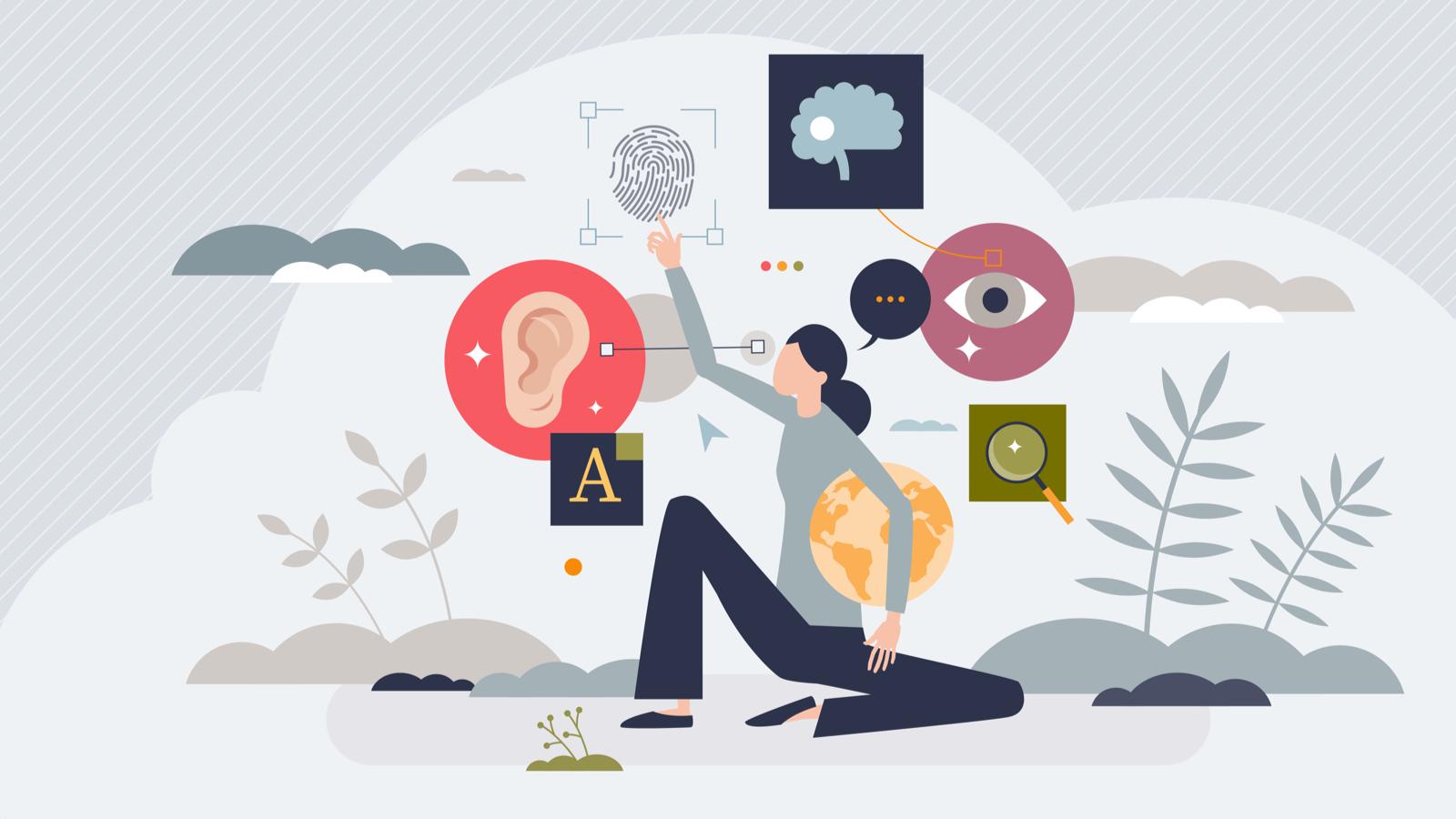
How AI is Revolutionizing Support for Students with Disabilities: Enhancing Accessibility and Learning
Introduction
Artificial Intelligence (AI) is no longer a distant future — it’s here, and it’s making remarkable changes across industries, especially in education. For students with disabilities, AI innovation represents more than just a technological leap; it’s a transformative force that enhances accessibility and learning. As obstacles in traditional learning environments persist, AI-driven support is helping break down barriers, empower independence, and create truly inclusive classrooms. In this article, you will explore how AI is revolutionizing support for students with disabilities, the benefits it brings, inspiring case studies, and practical tips for engaging with this exciting technology.
AI and Accessibility: An Overview
Accessibility in education means ensuring every student, nonetheless of ability, has equitable opportunities for learning. Students with disabilities often face unique challenges, ranging from mobility limitations to learning differences, sensory impairments, and more. AI technologies are closing these gaps by providing adaptive,personalized,and inclusive educational experiences.
- Personalized Learning: AI adapts learning materials and assessments to each student’s needs and pace.
- Real-time Assistance: Manny AI-powered tools offer instant support, whether through speech recognition, text-to-speech, or predictive text technologies.
- Enhanced Communication: AI bridges communication gaps, especially for students with speech or hearing impairments, using tools like automatic captioning and speech synthesis.
Key Ways AI is Transforming Support for Students with Disabilities
1. AI-powered Assistive Technologies
Assistive technology fueled by AI is supporting students with disabilities in unprecedented ways. Here are some examples of popular tools:
-
Screen Readers and Text-to-speech (TTS):
AI-driven screen readers can interpret text from digital content and read it aloud,which is invaluable for students with visual impairments or dyslexia.
-
automatic Speech Recognition (ASR):
Tools like Google Live Transcribe and Microsoft Dictate convert spoken words to text in real time, facilitating classroom participation for students with hearing impairments.
-
Image and Object Recognition:
AI can identify, describe, and narrate visual elements in learning materials, enhancing access for students with vision disabilities.
-
Predictive Text and grammarly:
AI-powered writing assistants offer real-time help with spelling, grammar, and sentence structure, supporting students with learning disabilities or writing difficulties.
2. Personalized Learning Platforms
AI-driven learning platforms analyze a student’s strengths, weaknesses, and learning preferences to adapt content, recommendations, and assessments. For students with disabilities, this can result in more engaging and appropriately challenging material. Platforms like DreamBox and Smart sparrow have been recognized for making learning adaptive and inclusive.
3. Speech and Language Support
Natural Language Processing (NLP) — a branch of AI — plays a critical role in supporting students with speech, language, or communication difficulties. these tools can provide:
- Real-time speech-to-text transcription
- Augmentative and choice communication apps
- Language translation for multilingual accessibility
4. AI Tutors and Chatbots
Clever tutoring systems and AI chatbots offer around-the-clock support and answer questions in plain language, ideal for students who need additional guidance or are learning at different paces. These technologies foster independence and self-advocacy among students with disabilities.
Benefits of Using AI in Accessible Education
The rise of AI in supporting students with disabilities has far-reaching benefits:
- Greater Independence: AI empowers students to access information and complete tasks with less reliance on human assistance.
- Personalized Interventions: Tailored educational content promotes a sense of achievement and nurtures unique talents.
- Inclusivity: AI ensures mainstream learning environments are accessible for students of all abilities, meeting diverse learning needs.
- Teacher Support: AI handles repetitive tasks (like grading or creating accommodations), freeing educators to focus on personal interaction.
- Engagement and Motivation: Interactive and adaptive AI tools keep students engaged and motivated to learn.
Case Studies: Real-life Impact of AI in inclusive Education
Case Study 1: Be My Eyes
Be My Eyes is an AI-powered app that connects blind and low-vision users with sighted volunteers and AI-driven visual assistance. Through real-time video calls and now, AI image recognition, it helps users complete tasks ranging from reading labels to navigating public spaces – a true game-changer for inclusivity and independence.
Case Study 2: Microsoft’s Learning Tools
Microsoft’s Learning Tools integrate AI-driven features like Immersive Reader,Dictate,and auto-captioning across Word,OneNote,and teams. These tools support students with dyslexia, ADHD, and other learning differences by simplifying reading, organizing information, and enabling voice input.
Case Study 3: AI Tutors at Georgia Tech
At Georgia Institute of Technology, students in an online AI course interacted with a teaching assistant named Jill Watson. Unbeknownst to them, Jill was an AI chatbot capable of answering students’ questions. The system effectively supported hundreds of students, including those needing extra accomodation, providing timely, accessible responses.
Practical Tips for Integrating AI in Accessible Education
- Assess Individual Needs: work with students, families, and support staff to identify which AI tools align best with specific disabilities and learning goals.
- Choose Proven AI Tools: prioritize software with robust accessibility features and positive user reviews.
- Ensure Privacy and Security: Select AI solutions that protect sensitive student data and comply with regulations like FERPA and GDPR.
- Provide Training for Teachers and Students: Successful integration depends on everyone feeling confident using new AI technologies.
- Monitor and Evaluate Outcomes: Regularly assess whether AI interventions are meeting accessibility and inclusion goals and adjust strategies as needed.
First-hand Experiences: Insights from Educators and Students
“AI-powered readers helped me keep up with my classwork after my sight deteriorated. Now I can study independently and at my own pace.”
– Diana, College Student with Visual Impairment
“The speech-to-text feature on tablets has fully transformed the way some of my students participate. They’re contributing more than ever before.”
– Mark,Secondary School Teacher
future Outlook: The Next Steps in AI and Disability Support
As machine learning,natural language processing,and computer vision evolve,AI’s capacity to remove barriers in education will only grow. Advances in wearable technology, emotion recognition, and real-time translation promise even more personalized and immersive learning experiences for students with disabilities. However,continuous collaboration among educators,technologists,policymakers,and students is vital to ensure AI remains ethical,unbiased,and accessible for all.
Conclusion
AI is truly revolutionizing support for students with disabilities. from text-to-speech readers to intelligent tutoring systems, AI not only enhances accessibility in education but also opens new doors for personalized success and lifelong learning. As schools, colleges, and universities increasingly adopt these innovations, the dream of a fully inclusive learning environment is closer than ever. Embracing AI responsibly and creatively paves the way for a future where every learner — regardless of ability — can thrive.
For more insightful articles on educational technology, accessibility, and inclusive learning strategies, explore our blog.