
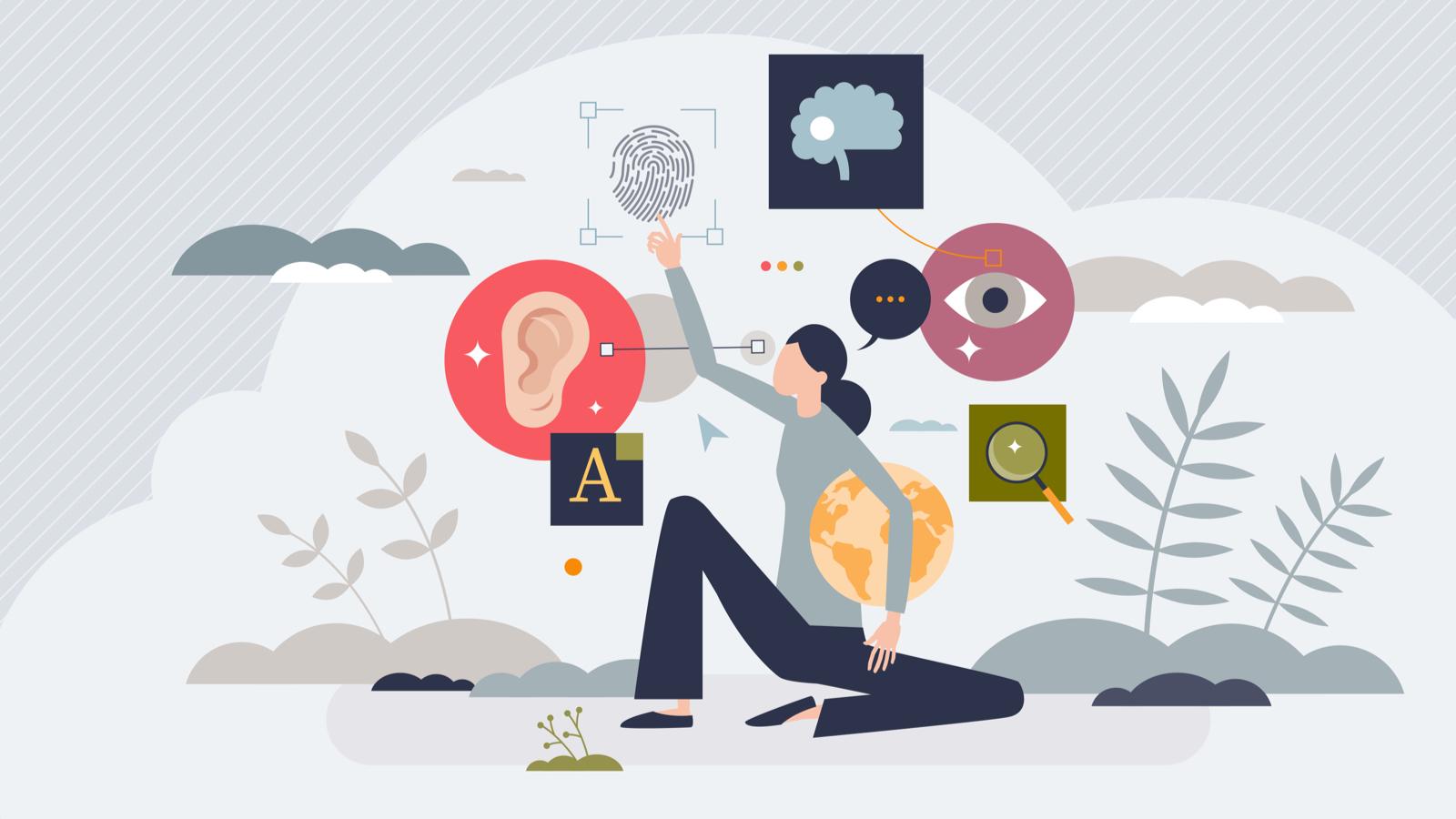
How AI is Revolutionizing Support for Students with Disabilities
Advancements in Artificial Intelligence (AI) are dramatically reshaping education. Among the most transformative impacts is the way AI is revolutionizing support for students with disabilities. Through smart tools, personalized learning experiences, and accessible content, AI-powered assistive technologies are breaking down barriers, promoting inclusivity, and empowering students of all abilities to thrive. In this article, we’ll explore how AI is making education more accessible, showcase real-world examples of AI in special education, and provide practical tips for educators and parents.
Understanding the Challenges: Students with Disabilities in Education
Students with disabilities frequently enough encounter notable obstacles within conventional educational settings. These include:
- Limited accessibility of textbooks and study materials
- Dialog barriers in classroom discussions
- Insufficient resources for individualized instruction
- Social isolation or exclusion
without adequate support, these challenges can affect academic performance, confidence, and future opportunities. This is where AI technology in special education comes into play, offering tailored support that adapts to every learner’s unique needs.
How AI is Transforming Support for Students with Disabilities
AI is not onyl enhancing educational access but also redefining what is possible. Here are some key ways AI is revolutionizing student support:
1. Personalized Learning Plans
AI-driven learning platforms,such as Microsoft Immersive Reader or DreamBox,can assess a student’s progress in real-time.They adapt content delivery, pace, and difficulty according to each learner’s strengths and needs. Personalized learning plans help students with disabilities engage at their own speed,boosting motivation and retention.
2. AI-Powered Speech-to-Text and Text-to-Speech
Advanced AI tools convert spoken words into text and vice versa, supporting students with visual impairments, dyslexia, or physical disabilities that affect writng. Popular solutions include:
- Google’s Live Transcribe: Provides real-time speech-to-text captions for deaf and hard-of-hearing students.
- Kurzweil 3000: Offers powerful text-to-speech features for reading comprehension and accessibility.
3. Real-Time Translation and Closed Captioning
AI algorithms enable seamless language translation and closed captioning during lectures, making classroom content accessible to students with hearing impairments or English language learners.
4. Virtual Assistants and Chatbots
AI-based virtual assistants can provide instant answers to student queries, offer time management tips, and guide students through assignments. For students who need consistent reminders or routine checks,chatbots serve as valuable companions both in and out of the classroom.
5. Predictive Analytics for Early Intervention
By analyzing patterns in student behavior, attendance, and academic performance, AI can identify at-risk students early. This facilitates proactive support and intervention, preventing larger issues from developing.
Key benefits of AI for Students with Disabilities
Implementing AI in special education offers a range of benefits, including:
- Greater Accessibility: AI tools can convert text to audio, translate languages, and help adapt materials for various disabilities.
- Enhanced Engagement: Personalization allows students to learn in formats that are most effective for them, fostering active participation.
- Independence: AI technologies empower students to access support without always depending on adults, boosting self-esteem and autonomy.
- Real-Time Feedback: AI-powered systems provide instant feedback, helping students and educators address challenges quickly.
- Reduced educator Workload: Automated grading, content adaptation, and administrative assistance allow teachers and support staff to focus on direct student interaction and individualized support.
Case Studies: AI in Special Education
Case Study 1: Making Reading Accessible with AI
A public school district in California implemented AI-based reading software for students with dyslexia and othre reading disabilities. The tool uses natural language processing to simplify texts, highlights words as they are read aloud, and provides instant definitions for arduous vocabulary. As an inevitable result, students showed measurable increases in reading comprehension scores and developed greater self-confidence.
Case Study 2: AI-Assisted Communication for Autistic Students
At a specialized learning center, students on the autism spectrum were equipped with AI-powered Augmentative and Option Communication (AAC) devices. These devices used predictive text and voice recognition to help students communicate needs, thoughts, and feelings. The school reported improved classroom participation and a noticeable reduction in behavioral incidents.
Case Study 3: Early Detection of learning Challenges
In a European primary school, AI analytics monitored students’ progress and identified subtle patterns indicating early signs of learning disabilities. Teachers used these insights to adapt instructional strategies, ensuring early support for students who might otherwise have been overlooked.
Frist-Hand Experience: Voices from the Community
“AI has been a game changer for my daughter, who has cerebral palsy. Speech-to-text software allows her to express her ideas freely, without the frustration of handwriting. She’s more engaged in class and feels included.”
– Parent,New York
“We’ve seen a transformation in student independence and confidence since introducing AI-based tools in our resource rooms. Students are empowered to find answers and manage tasks themselves.”
– Special Education Teacher, UK
Practical Tips for implementing AI in Special Education
- start Small: Pilot one or two AI-based tools focused on your primary student needs, such as text-to-speech apps or AI reading assistants.
- Train Staff Thoroughly: Ensure educators and support staff are pleasant using AI technology and understand its capabilities and limitations.
- Engage Families: Involve parents and caregivers in choosing and implementing AI tools to maximize support consistency at home and in school.
- Monitor Outcomes: Regularly assess how AI is impacting learning outcomes, comfort levels, and overall student well-being.
- Stay Updated: AI in education is evolving rapidly—subscribe to newsletters, attend webinars, and connect with other schools using AI for student support.
Challenges and Considerations
While AI for students with disabilities offers immense promise, there are vital considerations to keep in mind:
- data Privacy: Ensure AI vendors comply with relevant privacy laws to safeguard student data.
- Equitable access: All students should have access to necessary devices and reliable internet.
- Human Touch: AI should complement, not replace, human teachers and support staff.Educators remain central to student success.
- Bias and Reliability: AI systems must be regularly reviewed for bias and inaccuracies, especially in language processing and analytics.
conclusion: The Future of AI in Inclusive education
AI is revolutionizing support for students with disabilities by transforming classrooms into truly inclusive spaces. When used thoughtfully, AI-driven tools empower students to overcome barriers, gain confidence, and unlock their full learning potential.As technologies evolve, ongoing collaboration between educators, families, and developers will be key to ensuring every learner benefits from the remarkable possibilities AI offers.
For schools, parents, or education policymakers exploring AI solutions for students with disabilities, the message is clear: The future is both inclusive and bright. With the thoughtful integration of AI and a commitment to accessibility, we can build learning environments where every student’s abilities are recognized and celebrated.