
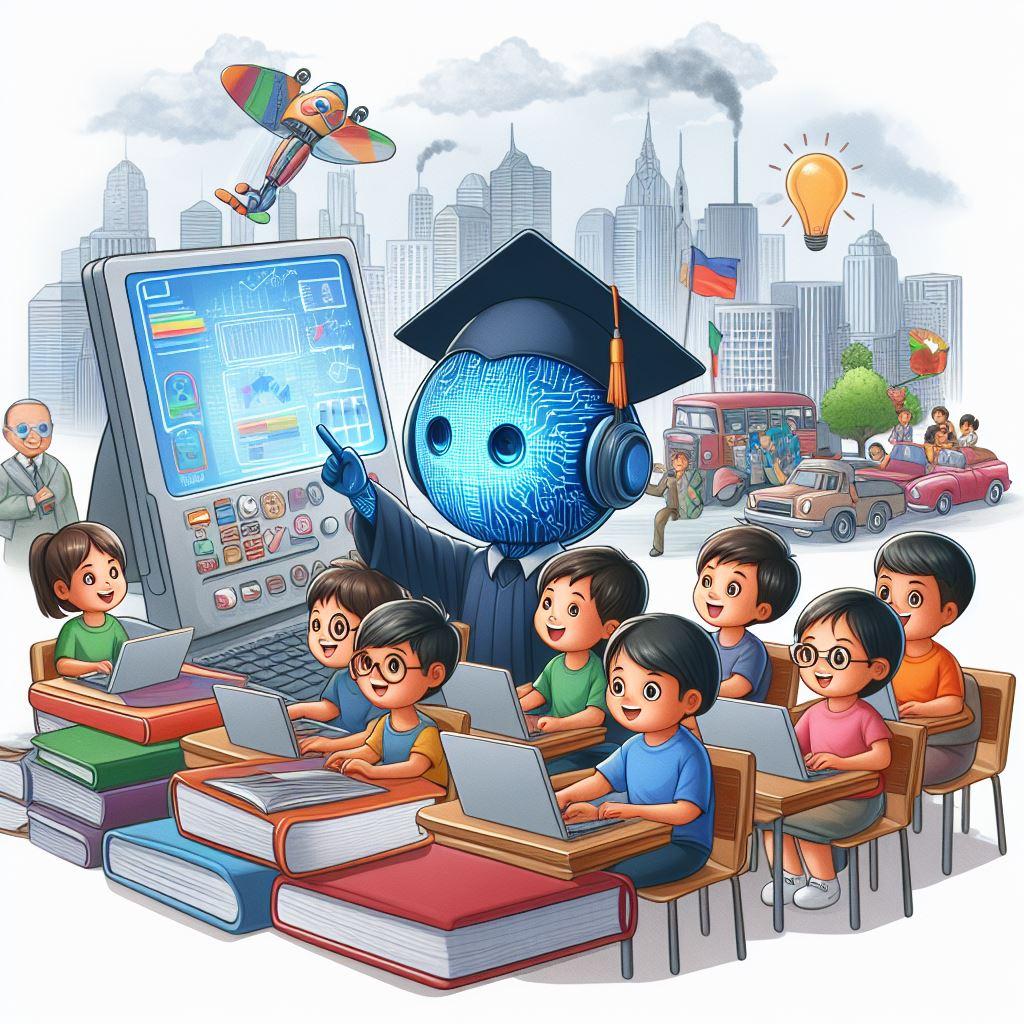
How AI Is Revolutionizing the Future of Higher education Institutions
Artificial Intelligence (AI) is rapidly reshaping the landscape of higher education. From personalized learning experiences to bright campus management, the integration of AI in colleges and universities is unlocking unprecedented opportunities. This article explores the transformative effects of AI, its benefits, real-world applications, and practical tips for institutions seeking to leverage its power. Read on to discover how AI is revolutionizing the future of higher education institutions.
The Impact of AI on Higher Education Institutions
higher education institutions face unique challenges in delivering quality education, managing resources, and meeting the diverse needs of their students. The advent of AI technologies offers innovative solutions to these problems, driving efficiency and improving outcomes.
- Enhanced Learning: AI-powered platforms offer adaptive and personalized learning tailored to students’ needs.
- Operational Efficiency: Automation and data analytics streamline governance, reducing overheads.
- Student Engagement: Intelligent chatbots and virtual assistants enhance dialog and support.
- data-Driven Insights: Analytics tools help universities make informed decisions regarding curriculum, enrollment, and resource allocation.
Key Benefits of artificial Intelligence in Higher Education
Integrating AI into higher education offers a wide range of benefits. Below are some of the most significant advantages:
1. Personalized Learning Experiences
- Adaptive Learning Systems: AI-powered software analyzes students’ progress and modifies curriculum dynamically.
- Intelligent Tutoring: AI provides real-time feedback and personalized recommendations to students.
- Accessibility: Voice recognition and language translation tools empower learners from various backgrounds.
2. Improved Student Support and Engagement
- AI Chatbots: Students receive instant answers regarding schedules,financial aid,and campus resources.
- Virtual Advising: Automated tools help with academic planning and career counseling.
- mental Health Monitoring: AI-driven platforms monitor students’ well-being and provide timely interventions.
3. Streamlined Administrative Processes
- Enrollment Automation: AI simplifies student registration and processes applications faster.
- Resource Allocation: Predictive analytics help allocate classrooms, faculty, and materials.
- Financial Operations: Automated systems manage scholarships, billing, and budget forecasting.
4.Data-Driven Decision Making
- Predictive Analytics: Anticipating student dropouts, academic risks, and optimizing retention strategies.
- Curriculum Enhancement: AI analyzes learning outcomes to refine courses and teaching methods.
- Strategic Planning: administrators harness large datasets for institutional growth and growth.
Real-World Applications and Success stories
Many universities and colleges have begun to embrace AI to transform their campuses. Here are a few notable examples:
Stanford University: AI-Powered Learning Platforms
Stanford implemented adaptive learning systems that customize course material for each student, improving comprehension and retention. their AI-driven platform uses natural language processing to analyze student essays and provide instant feedback, assisting faculty in grading and sparking discussions.
Georgia State University: Predictive Analytics to Reduce Dropout Rates
Georgia State University leverages AI-powered analytics to identify students at risk of dropping out. By tracking academic performance and engagement metrics, the university offers targeted interventions, resulting in a significant increase in its graduation rates.
Arizona State University: Virtual Advising Chatbots
ASU utilizes AI chatbots to respond to thousands of student queries instantly.These virtual assistants provide accurate facts on enrollment, course selection, and campus events, dramatically improving student satisfaction and engagement.
Challenges to AI Adoption in Higher education
While AI holds immense promise, its integration into higher education institutions is not without challenges:
- Data Privacy: Safeguarding student and faculty data against breaches is imperative.
- Bias & Fairness: AI systems can unintentionally perpetuate biases if not carefully designed.
- Cost of Implementation: Upgrading infrastructure and training staff requires significant investment.
- Change Management: Faculty and administrators must adapt to new technologies,which can be a cultural shift.
Practical Tips for Higher Education Institutions Embracing AI
If your institution is considering integrating AI technologies, here are actionable steps for a successful transition:
- Start Small: Implement pilot projects focused on high-impact areas like student support or enrollment management.
- Prioritize Privacy: Ensure compliance with data protection regulations and best practices in cybersecurity.
- Invest in Training: Educate faculty, staff, and students on the benefits and ethical use of AI.
- Foster collaboration: Partner with technology providers and other institutions to share knowledge and resources.
- Monitor and Evaluate: Continuously assess the impact of AI initiatives and refine approaches as needed.
AI and the Future of Higher Education Institutions
The ongoing evolution of artificial intelligence promises a more dynamic, personalized, and efficient higher education ecosystem.As AI becomes increasingly embedded into campus life – from admissions and administrative operations to research and curriculum design – universities and colleges will be better equipped to serve their communities in the digital age.
Looking forward, the future of higher education will be shaped by:
- greater personalization: AI will create customized pathways for student achievement and career development.
- inclusive Learning: Technology will break down barriers and provide equal access to quality education worldwide.
- Innovative Research: Automated analysis and simulation tools will accelerate finding and knowledge creation.
- Agile Institutions: rapid adaptation to societal changes, student needs, and global developments.
Conclusion: The AI Revolution Is Here
Artificial intelligence is no longer a futuristic concept—it’s transforming higher education institutions today. With benefits ranging from personalized learning to operational efficiencies, AI offers exciting possibilities for progress and innovation. As universities and colleges continue to adopt intelligent technologies, students and educators alike will experience richer, more engaging, and accessible educational journeys.
Ready to future-proof your institution? Begin by exploring AI applications tailored to your goals and foster a culture of continuous learning and improvement. The revolution of artificial intelligence in higher education is underway—embrace it and help shape the campus of tomorrow.