
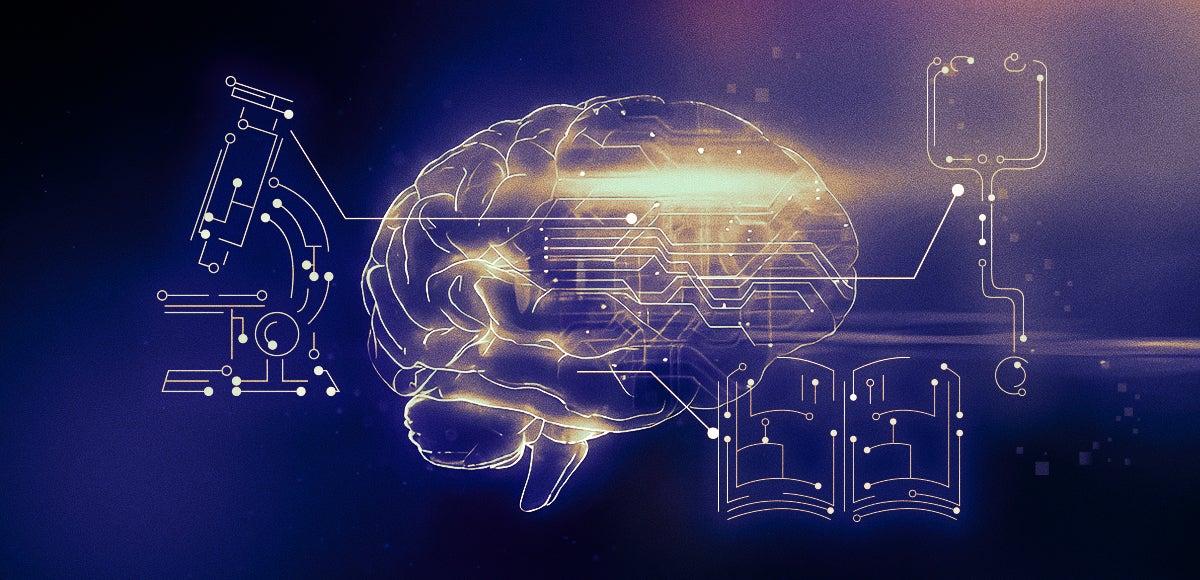
How AI is Shaping the future of Educational Research: Innovations and Trends
Artificial intelligence (AI) is no longer a futuristic concept confined to tech startups and Silicon Valley.It’s now at the heart of educational research, revolutionizing everything from personalized learning to administrative efficiency. As online and blended learning models surge in popularity, the integration of AI in education is reshaping how researchers, educators, and policymakers approach the development and assessment of educational strategies. In this article, we explore how AI is shaping the future of educational research through cutting-edge innovations, emerging trends, and actionable insights for teachers, administrators, and academic researchers.
Understanding the Role of AI in Educational Research
Traditional educational research relied heavily on manual data collection, statistical analysis, and qualitative observation. AI-driven tools are now automating and enhancing these processes, providing richer data and deeper insights. The key areas where AI is making a critically important impact include:
- Data Analysis: Machine learning algorithms process vast amounts of educational data to identify patterns and trends that might be missed by human analysts.
- Personalized Learning: Adaptive AI technologies tailor content and interventions to meet individual student needs, improving outcomes and engagement.
- Predictive Analytics: AI tools can forecast student performance, dropout risks, and resource allocation for more informed decision-making.
- Automation: AI can automate administrative tasks, freeing up researchers to focus on higher-level analysis and innovation.
- Natural Language Processing (NLP): Enables deep analysis of student interactions, feedback, and academic writing, uncovering insights into learning behaviors.
Innovative AI Technologies in Educational Research
The landscape of AI in education is constantly evolving. Here are some of the most promising AI technologies influencing educational research today:
1. Learning Analytics Platforms
learning analytics platforms powered by AI offer real-time tracking of student progress and engagement. these platforms aggregate data from various sources, such as:
- Online learning management systems (LMSs)
- Assessment tools
- Classroom interaction software
By leveraging machine learning, these tools can surface hidden patterns—enabling researchers and instructors to develop targeted interventions.
2. Bright Tutoring Systems
Intelligent tutoring systems use AI to adapt instructional content based on student responses. They support:
- Formative assessment with instant feedback
- individualized lesson paths
- Dynamic question generation modeled on student comprehension
these systems generate valuable data for educational research on learning strategies and efficacy.
3. AI-Driven Surveys and Feedback Analysis
NLP technologies can analyze open-ended survey responses, classroom discussions, and teacher feedback at scale. This helps researchers uncover:
- Recurring themes in student challenges
- Sentiment around specific teaching methods
- Emerging trends in learning preferences
4. AI-Powered Educational Content Creation
Tools like GPT-4 and similar large language models are now generating educational content, assessments, and rubrics. researchers can test and iterate on instructional materials more quickly than ever before.
5. Predictive Analytics for Early intervention
AI models trained on past data can identify students at risk of falling behind, allowing institutions to deploy support services proactively—improving student retention and success rates.
current Trends Shaping the Future of AI in Educational Research
The trends below highlight how AI is transforming educational research practices and future expectations:
- Greater Emphasis on Equity: AI models are being refined to minimize bias, ensuring that research findings and adaptive tools benefit diverse learners.
- Human-AI Collaboration: Researchers are leveraging AI alongside human expertise—balancing quantitative AI-driven patterns with qualitative insights.
- Personalized Professional Development: Educator-focused AI applications provide customized training, based on classroom data and teaching benchmarks.
- real-Time Impact evaluation: AI tools support rapid assessment of educational reforms, making policy evaluation more responsive.
- Open Data and Transparency: There is a growing movement toward open-sourcing AI research tools and data sets, facilitating more collaborative and reproducible research.
Benefits of Leveraging AI in Educational Research
The integration of AI in educational research brings a variety of powerful advantages:
- Speed and Efficiency: AI automates labor-intensive research tasks,accelerating revelation and innovation.
- Deeper Insights: Advanced machine learning models uncover multi-dimensional patterns, leading to richer research outcomes.
- Scalability: AI supports large-scale studies, spanning thousands or millions of learners and contexts.
- Dynamic Interventions: Real-time analytics allow for rapid adjustment of instructional strategies and research designs.
- Data-Driven Personalization: AI helps tailor learning experiences to maximize student engagement and achievement.
Case Studies: AI Innovations in Educational Research
Case Study 1: Early Warning Systems in Higher education
A leading state university deployed an AI-powered early warning system that analyzes student engagement, assignment submission rates, and participation in online forums. The system flagged at-risk students,prompting academic advisors to intervene. Results showed a 10% increase in student retention within the first year.
Case Study 2: Automated Essay Grading at Scale
An international research team used NLP and AI-based scoring models to analyze thousands of student essays across multiple languages.This not only reduced grading time by 50% but also ensured more consistent feedback and reliable research data for longitudinal studies on writing development.
Case Study 3: Personalized learning Pathways in K-12 Schools
Several school districts have integrated adaptive learning platforms, powered by AI, that recommend resources and adjust lesson difficulty in real time. Educational researchers leveraged data from these systems to identify wich interventions led to the highest gains in literacy and math achievement.
Practical Tips: How to Integrate AI in Educational Research
- Start Small: Implement AI tools in pilot studies to assess feasibility and build stakeholder confidence.
- Invest in Data Privacy: Ensure all AI research complies with student data protection regulations.
- Collaborate Across Disciplines: Engage technologists, data scientists, and educators for well-rounded research design.
- Focus on Interpretability: Choose AI models and platforms that offer transparency in decision-making to foster trust and adoption.
- Use Ethical Guidelines: Apply ethical AI frameworks to minimize bias and safeguard against adverse outcomes.
- Stay Current: Regularly review advancements in AI and update research methodologies accordingly.
First-Hand Experiance: Researcher Insights
“Implementing AI-powered learning analytics tools has transformed our research workflow.Instead of spending months aggregating and cleaning data, we can now focus on interpreting results and shaping meaningful interventions. The insights surfaced by AI consistently lead to higher-impact instructional strategies and improved learner outcomes.”
— Dr.Emily P.,Education Data Scientist
Challenges and Considerations
While AI offers immense promise,researchers must address certain challenges:
- Algorithmic Bias: AI models trained on biased data can perpetuate inequities.
- Data Security: Sensitive student information must be protected.
- Skill Gaps: Researchers may require upskilling in data science and machine learning to maximize AI’s potential.
- Integration with Legacy Systems: Incorporating AI into established research workflows may demand upgrades and training.
Tackling these challenges is crucial for the long-term success and ethical deployment of AI in educational research.
Conclusion: The Road Ahead for AI in Educational Research
The integration of AI in educational research is unlocking new possibilities—accelerating discovery, enhancing inclusivity, and transforming methodologies. As AI shapes the future of educational research, stakeholders must embrace innovation while upholding ethical standards and prioritizing equitable outcomes. With continued collaboration, responsible adoption, and ongoing upskilling, the partnership between educators and AI will propel education research into a more agile, insightful, and impactful era.
whether you’re a teacher, administrator, or researcher, now is the perfect time to explore how AI can elevate your educational research strategies and contribute to a better, data-informed future for learners everywhere.