
How AI Is Shaping the Future of Educational research: Trends, Opportunities, and Challenges
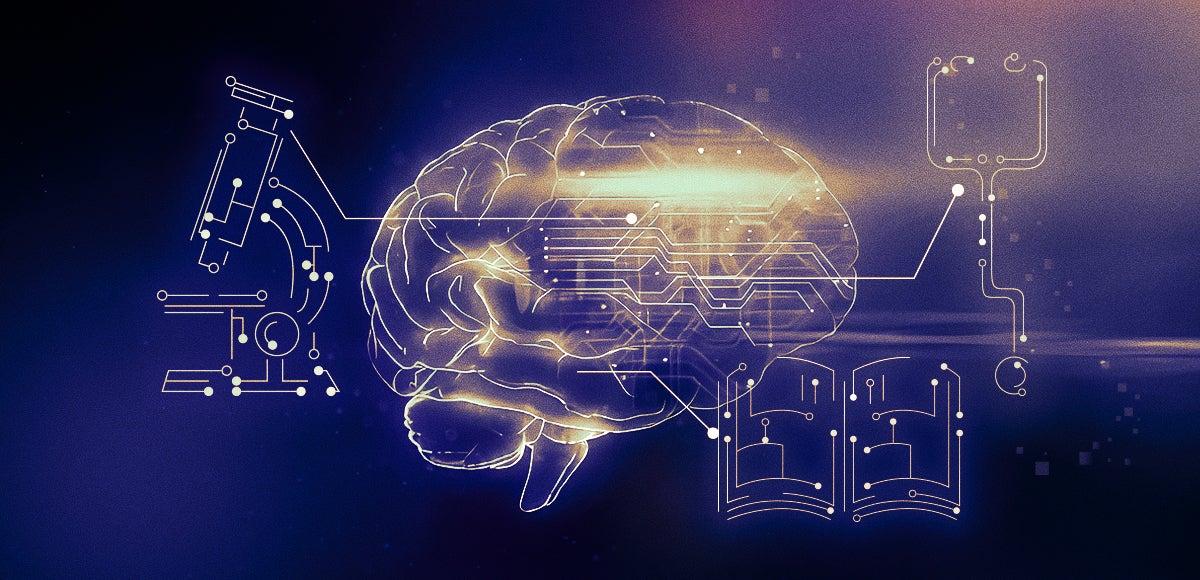
Artificial intelligence (AI) is rapidly revolutionizing the landscape of educational research. By leveraging powerful algorithms, machine learning, and data analytics, AI is driving innovation, enhancing analysis, and offering unprecedented insights into how students learn. Today, educational researchers are integrating AI too explore new frontiers, identify best teaching practices, and personalize learning experiences. In this thorough article, we’ll explore the biggest trends, promising opportunities, and pressing challenges of using AI in educational research. Whether you’re an educator, policy-maker, or an academic, understanding these changes is crucial for staying ahead in the evolving world of education.
AI in educational Research: A Growing Influence
AI technologies are now deeply embedded in educational research processes across the globe. From automating data collection and analysis to predicting student success rates, artificial intelligence provides tools that save time and enhance accuracy.
- Personalized Learning analytics: AI supports tailored educational experiences by analyzing student performance and recommending specific resources or interventions.
- Automated Assessment: machine learning models are now capable of grading essays and assignments, providing immediate feedback, and reducing teacher workload.
- Predictive Modeling: Researchers use AI to anticipate trends in student outcomes, helping institutions proactively address at-risk students.
- Natural Language Processing (NLP): This technology allows for deeper analysis of student writing and interaction patterns, uncovering learning gaps or misconceptions.
emerging Trends in AI-Powered Educational Research
Staying updated on the latest trends is essential for educational professionals. Here are some key trends shaping the future of AI in educational research:
1. Adaptive Learning systems
AI-driven adaptive platforms analyze real-time data from learners, adjusting content and difficulty levels to match individual needs. This helps maximize learning outcomes and student engagement.
2. Clever Tutoring and Virtual Assistants
Advanced AI chatbots and virtual tutors are increasingly used in schools and universities. By offering on-demand support and instant answers, these tools enhance student support and free up educators to focus on strategic tasks.
3. Enhanced educational Data Mining
AI streamlines data mining, revealing hidden patterns and correlations within vast educational datasets. Researchers can uncover insights into effective teaching strategies, curriculum effectiveness, and student behavior analytics.
4. Automation of Literature Review and Meta-Analysis
natural language processing (NLP) algorithms are deployed to scan vast volumes of academic literature, identifying trends, contradictions, and research gaps more quickly than manual reviews.
5. Sentiment and Engagement Analysis
AI-powered sentiment analysis evaluates emotional responses from students in real time, allowing researchers to assess engagement and identify early warning signs of disengagement or burnout.
Opportunities Presented by AI in Educational Research
Integrating AI in educational research opens up several transformative opportunities for both researchers and learners:
- Increased Efficiency: Automating repetitive research tasks (such as coding survey responses or data cleaning) frees up valuable time for researchers to focus on deeper analysis and innovation.
- Scalability: AI tools allow for large-scale studies across institutions, countries, and educational systems, promoting global collaboration and comparative studies.
- deep Personalization: AI enables the extraction of granular insights into individual learning styles, helping educators design more effective teaching interventions.
- Data-Informed Decision-Making: Robust AI analytics help policy-makers and institutions make evidence-based decisions to improve educational outcomes.
- Predictive Insights: Machine learning models can forecast student performance, dropout risks, and response to interventions, empowering early and targeted support.
Practical Tips for Leveraging AI in Educational Research
- choose reputable AI platforms with proven track records in education analytics.
- Ensure ethical use by anonymizing sensitive student data before analysis.
- Engage multidisciplinary teams—including data scientists, educators, and ethicists—to ensure well-rounded research perspectives.
- Continuously update staff on emerging AI tools and best practices.
- Collaborate with other institutions to expand research scope and data diversity.
Challenges and Ethical Considerations in AI-Driven educational Research
While the integration of AI brings excitement and efficiency, it also introduces several notable challenges and ethical considerations:
- Bias and Fairness: AI models may perpetuate or even amplify existing biases within educational datasets, leading to unfair predictions and interventions.
- Data Privacy: The collection and analysis of sensitive educational data raise concerns about student privacy and data protection, especially with varying data governance laws globally.
- Transparency and Explainability: Many AI systems, particularly deep-learning models, function as “black boxes,” making it challenging for researchers to understand and explain their recommendations.
- Technical Barriers: Access to skilled personnel, costly infrastructure, and the technical expertise needed to train and deploy effective AI models can limit adoption across poorly-resourced institutions.
- Resistance to Change: Some educators and administrators remain skeptical about AI or are reluctant to trust automated decisions over human judgment.
Best Practices to Overcome AI Challenges
- Implement strong data governance frameworks and student consent protocols.
- Continuously audit AI models for bias, regularly updating training datasets with diverse, representative samples.
- Promote AI transparency by documenting decision paths and offering simple explanations for automated outcomes.
- Invest in ongoing education and training for staff to build trust and AI fluency.
Case Studies: Real-World Impact of AI in Educational Research
1. Early Warning Systems for Dropout Prevention
Several universities globally are deploying AI-based early warning systems. These platforms analyze attendance, performance, and engagement data in real time to flag at-risk students, enabling timely interventions that have reduced dropout rates by up to 30%.
2. Automated Grading in Massive Open Online Courses (MOOCs)
AI-based auto-grading tools have transformed MOOCs by providing instant, personalized feedback on assignments, significantly increasing course completion rates and student satisfaction.
3. Personalized Tutoring at Scale
AI chatbots, leveraging natural language processing, serve as 24/7 tutors for subjects ranging from math to history, answering student queries and adapting responses to individual learning progress.
The Future Outlook: AI’s Evolving Role in Educational Research
The intersection between AI and educational research is poised for even greater advancements. With rapid progress in machine learning and big data analytics, researchers will gain deeper insights into learning dynamics, educational equity, and curriculum effectiveness. As AI becomes more accessible and transparent, ethical frameworks and collaborative practices will be critical in ensuring its responsible use in education.
Future innovations may include immersive AI-powered virtual classrooms, context-aware learning analytics, and even AI co-researchers that aid in the design and execution of complex education studies.
Conclusion: AI—A Game Changer in Educational Research
AI is no longer a distant concept—it’s fundamentally reshaping how we conduct educational research and understand learning. By harnessing advanced AI tools, researchers, educators, and institutions can unlock new insights, drive innovation, and maximize student success. However,it’s essential to remain vigilant about ethical challenges,data privacy,and inclusivity as the field evolves.
as we move forward, an open, collaborative, and responsible approach will ensure that AI serves as a force for good, helping us build a richer, more equitable, and highly effective educational system for generations to come.