
How AI Is Transforming Education for Students with Disabilities: key Benefits and Innovations
Introduction
The intersection of artificial intelligence (AI) and education for students with disabilities is revolutionizing the way learning is delivered and experienced.AI-powered tools and systems are breaking down long-standing accessibility barriers, offering personalized pathways and fostering greater independence among learners with diverse needs. As technology continues to evolve, it’s pivotal to understand how these innovations are enhancing inclusivity, improving learning outcomes, and reshaping the future of education.
Understanding the Challenges Faced by Students with Disabilities
Students with disabilities frequently enough encounter significant challenges such as inaccessible resources, lack of individualized support, and communication barriers in conventional learning environments. Disabilities can range from physical (mobility impairments) and sensory (visual or hearing impairments) to cognitive (learning disabilities) and neurodevelopmental differences (autism spectrum disorder). Addressing these unique needs requires adaptive and scalable solutions—areas where AI excels.
Key Benefits of AI in Education for Students with Disabilities
AI technology is empowering educators and students with disabilities by providing tools that adapt to individual learning requirements. Here are some of the transformative benefits AI brings to the table:
- Personalized Learning: AI algorithms analyse student data to create customized lesson plans that suit different learning paces and styles,ensuring no student is left behind.
- Real-time Accessibility: Automated captioning, speech-to-text, and text-to-speech technologies make content instantly accessible for students with hearing or visual impairments.
- 24/7 Support: AI-powered chatbots and virtual assistants provide around-the-clock academic support, helping students stay on track outside classroom hours.
- Adaptive Assessment: AI tailors assessments to the learner’s abilities, reducing stress and providing fairer evaluations of knowledge and skills.
- Facilitating Communication: Tools like augmentative and choice communication (AAC) apps enable students with speech impairments to express themselves and engage in classroom activities.
- Monitoring Progress: AI systems track student progress, highlight areas needing attention, and offer actionable insights for teachers and support staff.
Groundbreaking Innovations in AI-Powered Special Education
AI is driving a range of innovations tailored to assistive technology for students with disabilities. These advancements are transforming both online and physical classrooms:
1. Clever Tutoring systems
AI-driven tutoring platforms adapt content difficulty and delivery style based on real-time student interactions. They provide immediate feedback, tailor exercises to address learning gaps, and cater to individual preferences, especially beneficial for students with dyslexia, ADHD, or other learning disabilities.
2. AI-Based Text and Speech Recognition
Voice assistants like Alexa and Siri, combined with advanced speech-to-text solutions from Google and Microsoft, empower students who struggle with manual writing or reading. These tools transcribe spoken words into text, read texts aloud, and translate resources across formats, enabling deeper engagement for students with physical or sensory disabilities.
3. Computer Vision for the Visually Impaired
AI-powered object recognition apps and wearable devices such as orcam MyEye can describe surroundings, read printed text, and identify familiar faces using computer vision. This boosts autonomy and learning in everyday contexts for students who are blind or have low vision.
4. Predictive Analytics for Early Intervention
Schools are leveraging AI analytics to detect patterns indicative of academic or behavioral struggles among students with disabilities. Early intervention programs can then be designed, reducing dropout rates and enhancing overall well-being.
Case Studies: Real-Life Impact of AI in Inclusive Education
The transformative effect of AI in accessible education is best illustrated through real-world examples:
- Microsoft’s Immersive Reader: Widely adopted in classrooms, this tool uses AI to break down complex text, read it aloud, and provide translation and grammar assistance—hugely beneficial for students with dyslexia and English language learners with additional needs.
- Seeing AI by Microsoft: An AI-powered app that describes images, reads documents, recognizes currency, and even identifies facial expressions, offering an indispensable resource for visually impaired students navigating both school and daily life.
- Voiceitt: Utilizing AI to recognize and transcribe non-standard speech, this app enables individuals with speech disabilities to communicate more easily with teachers and peers.
- Knewton Adaptive Learning: AI delivers personalized exercises based on real-time student performance,supporting learners with ADHD and dyscalculia by adapting curricula to focus on problem areas.
Firsthand Experience: Educator and Student Voices
Teachers and students are witnessing tangible improvements thanks to AI-powered tools:
“Using AI-based reading apps, my students with dyslexia now have the confidence to tackle grade-level texts without fear. The technology adapts to their preferred fonts and reads passages aloud at a pace they’re pleasant with.”
— Sarah, Special Education Teacher
“Autocaptioning in online classes ensured I never missed a crucial piece of information. I could finally participate in group projects without limitations.”
— Maria, College Student with Hearing Impairment
Practical Tips for Schools Adopting AI for Inclusive Education
To maximize the benefits of AI for students with disabilities, schools and educators can follow these practical steps:
- Invest in Training: Ensure teachers and staff understand how to utilize and integrate AI-powered accessibility tools into daily instruction.
- Involve Stakeholders: Work collaboratively with students, families, and disability advocates when selecting assistive technologies to meet real needs.
- Prioritize Data Privacy: Comply with regulations like FERPA and GDPR to safeguard sensitive student data used by AI systems.
- Regularly Review Solutions: Continuously assess the effectiveness of AI tools,soliciting feedback from users to foster ongoing improvement.
- Promote Equity: Ensure all students, irrespective of socioeconomic status, have access to devices and internet required to use AI learning tools.
Future Outlook: the Evolving Role of AI for Students with Disabilities
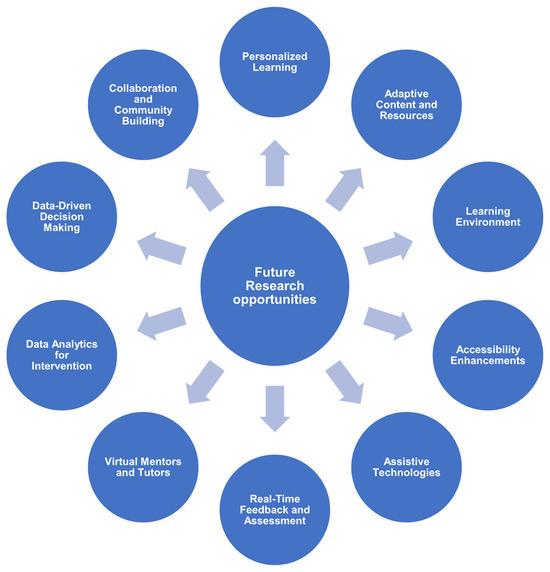
The future of AI in accessible education is incredibly promising. Advances in natural language processing, machine learning, and wearable technology are set to further remove barriers and promote inclusive learning. However, it is crucial to address potential challenges, such as the digital divide and algorithmic bias, by fostering clear and ethical AI development.
As more schools and edtech companies embrace AI,collaborative efforts between technologists,educators,and the disability community will ensure innovations remain relevant,equitable,and empowering for every learner.
Conclusion
AI is redefining what’s possible in education for students with disabilities, leveling the playing field and opening up a world of opportunities. From personalized learning and instant accessibility to predictive analytics and communication aids, the impact is profound and increasingly accessible.By adopting these innovations thoughtfully and inclusively,educators and schools can ensure that every student—regardless of ability—has the resources and support needed to reach their full potential.
Embracing AI in education is not just about leveraging technology; it’s about building a more equitable, inclusive future for all students.