
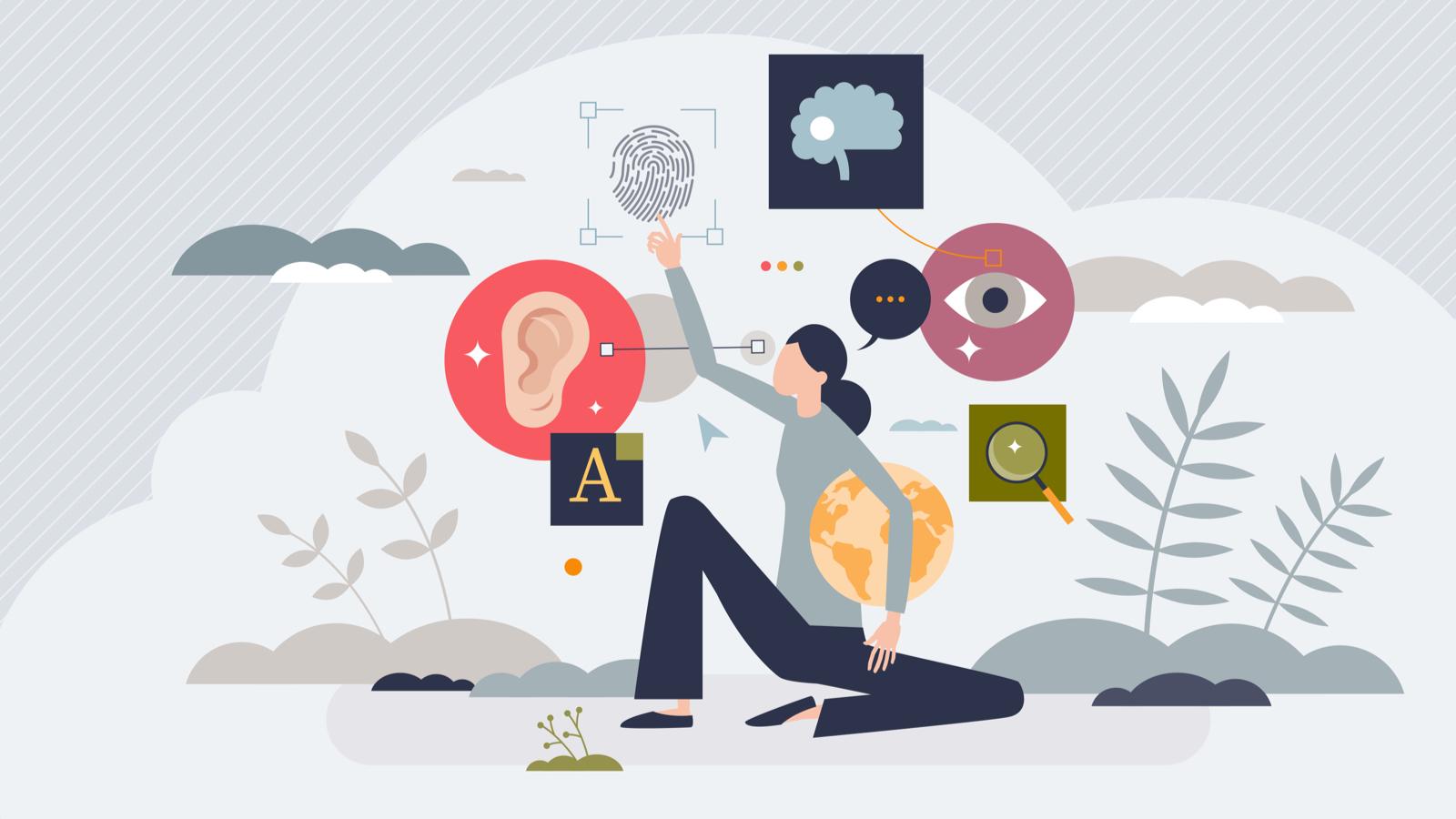
how AI Is Transforming Education for Students with Disabilities
Artificial Intelligence (AI) is revolutionizing every sphere of human life, and education is no exception. For students with disabilities, AI-powered technologies are opening new doors, breaking barriers, and creating inclusive learning environments that cater perfectly to their unique needs. From personalized learning platforms to clever assistive devices, discover how AI is facilitating accessible education for all.
Understanding the Role of AI in Accessible Education
AI in education refers to the integration of intelligent algorithms that can analyze, adapt, and respond to individual learner needs. For students with disabilities—ranging from visual or hearing impairments, ADHD, dyslexia, autism spectrum disorders, and physical disabilities—traditional teaching methods are often inadequate. AI addresses these gaps by:
- Customizing learning material to suit individual strengths and weaknesses.
- Delivering real-time feedback to educators and students.
- Automating routine tasks and enabling autonomous learning.
- Facilitating communication through speech-to-text, text-to-speech, and translation tools.
Key Benefits of AI for Students with Disabilities
Let’s take a closer look at the specific advantages AI brings to accessible education:
- Personalized Learning: AI-driven platforms like DreamBox or Khan Academy adapt materials to match students’ learning pace and style,ensuring no one is left behind.
- assistive Technologies: Tools such as Microsoft’s Immersive Reader and Voice Dream Reader make reading accessible for visually impaired and dyslexic students by converting text to speech and adjusting font sizes.
- Inclusive Communication: AI-powered apps like Proloquo2Go support non-verbal students by generating speech from symbols and text inputs.
- Automated Assessment: Intelligent assessment tools can monitor students’ progress, identify areas of need, and suggest targeted interventions much faster than traditional methods.
- Breaking Language Barriers: AI translation tools such as Google Translate assist students who are deaf, hard of hearing, or use sign language, making classroom communication seamless.
- Emotional and Behavioral Monitoring: Some AI applications can analyze facial expressions and interactions to support students with autism or emotional challenges, enabling educators to tailor support strategies.
Practical AI Tools and Their Impact on Students with Disabilities
Here are some standout AI-powered educational tools and their real-world benefits:
1. AI-Powered Speech Recognition
- Speech-to-Text: Platforms like Otter.ai and Google Docs Voice Typing allow students with motor disabilities or dyslexia to participate in written assignments using spoken words.
- Dictation Tools: Students with visual impairments can leverage dictation apps to compose essays and emails.
2. Smart Content Delivery Systems
- Adaptive Learning: Systems like SmartDreams.ai analyze a student’s responses and modify content dynamically to match cognitive abilities.
- Multimodal Content: AI transcribes audio lessons into text or signs, ensuring content is accessible for all students.
3. Intelligent Tutoring Systems
- Customized Support: Tutors like Socratic by Google provide step-by-step explanations and visual aids, benefiting students with learning disabilities.
- Real-time Q&A: Platforms respond instantly to student questions, reducing wait times and frustration.
4. Virtual and Augmented Reality (VR & AR)
- Immersive Experiences: AI-enhanced VR platforms allow mobility-impaired students to experience field trips and lab experiments virtually.
- Interactive Simulations: AR apps can simulate social scenarios for students with autism, helping them develop skills and confidence.
Case Studies: AI-Powered Success Stories
Real-world examples illustrate how AI is changing lives:
Case Study 1: AI-Enabled Accessibility at Gallaudet University
Gallaudet University, a leading institution for deaf and hard-of-hearing students, employed AI-driven captioning technologies to provide real-time transcripts for lectures. This dramatically improved engagement and academic success.
Case Study 2: Helping Dyslexic Learners with AI
A UK primary school adopted Microsoft Immersive Reader, which helped dyslexic students better understand complex texts. With features like adjustable fonts and line focus,reading comprehension rates soared by 40% in one year.
Case Study 3: AI and Autism Spectrum Disorder Support
The University of Hertfordshire’s ASC-Inclusion Project used AI to analyze facial expressions and voice tones, teaching autistic students to recognize emotions—a skill often hard to master. As a result, students’ social interactions improved significantly, boosting their confidence.
First-Hand Experiences: Parents, Teachers, and Students Speak
Sharing direct voices enhances understanding of AI’s impact:
Teacher Testimonial:
“With AI tools in the classroom, my students with learning disabilities finally feel seen. AI helps me track their progress and tailor lessons, making teaching personal again.” – julia, Elementary School Teacher
Parent Outlook:
“AI has been a game-changer for my son, who is on the autism spectrum. He’s more engaged, and the VR simulations at his school have helped him navigate social situations better.” – Mark, Parent
Practical Tips for implementing AI in Inclusive Education
want to make the most of AI for students with disabilities? Here are some tips:
- Start Small: try one tool at a time and gradually introduce more advanced solutions.
- Prioritize Accessibility: choose platforms that meet WCAG standards for accessibility.
- Provide Training: Equip teachers and students with proper training to maximize AI benefits.
- Monitor and Review: Regularly evaluate AI tools’ effectiveness and solicit feedback from students and parents.
- Partner with Experts: Collaborate with AI developers who specialize in assistive technology.
- Stay Informed: Subscribe to educational tech newsletters to keep up with new AI advancements.
Challenges and Future Directions
while the impact of AI in inclusive education is overwhelmingly positive, there are obstacles to consider:
- Data Privacy: Protecting sensitive student data is crucial as AI adoption grows.
- Equity of Access: Not all schools have the funding or infrastructure to support advanced technologies.
- training Gaps: teachers and parents must be equipped to incorporate AI tools effectively.
- bias in AI: AI algorithms must be designed to avoid reinforcing disabilities-based stigmas or inaccuracies.
Looking ahead,continued collaboration between educators,AI experts,and policy makers will drive further innovations. As AI evolves,expect even more personalized,effective,and empathetic solutions.
Conclusion: AI as an Equalizer in Education
the future of education for students with disabilities is undeniably brighter thanks to artificial intelligence. From adaptive learning platforms to real-time communication aids, AI transforms classrooms into spaces where every learner thrives. Teachers gain powerful new tools,students enjoy personalized pathways,and parents witness their children’s potential unfold.
embracing AI’s potential can break down barriers, magnify strengths, and provide every student with the resources they need to succeed. As we continue exploring innovative ways to integrate AI into education, we move collectively towards a fairer, more inclusive world—where no student is left behind.