
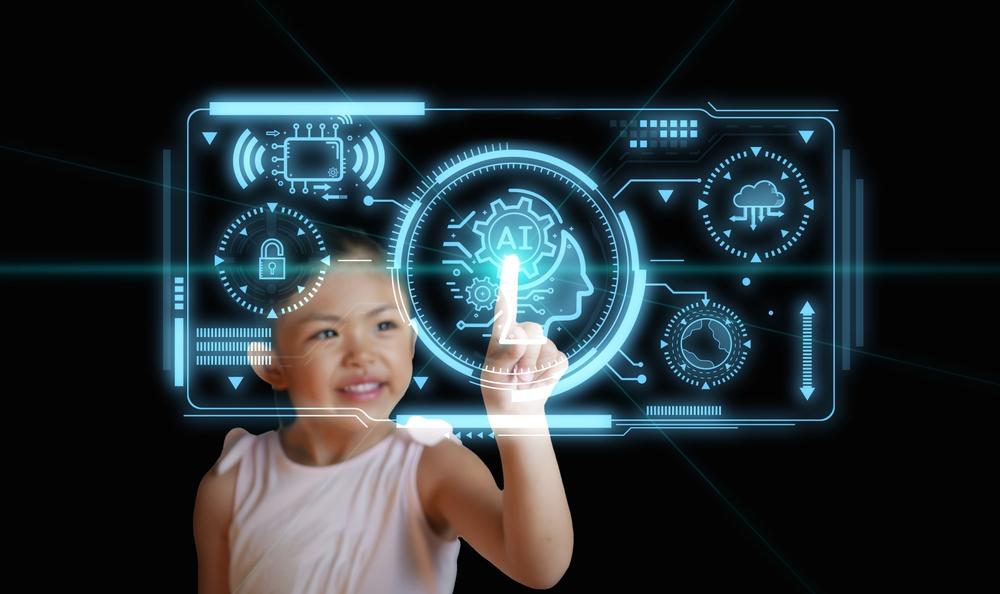
How AI is Transforming Education: Global Advances in Personalized Learning
In the digital age, the intersection between artificial intelligence (AI) and education is leading a global revolution in how students learn and teachers teach. AI-powered personalized learning is no longer just a futuristic vision — it is indeed a present-day reality that impacts classrooms across continents. From adaptive learning platforms to intelligent tutoring systems, the integration of AI in education is unlocking customized paths for student success, breaking down conventional barriers to learning, and preparing a new generation for the evolving demands of the world.
Why AI in Education Matters
With the diversity of student backgrounds, learning styles, and abilities, a one-size-fits-all educational approach often falls short. Artificial intelligence enables educational systems to move towards individualized learning experiences. Here’s why AI is a game-changer for the education sector:
- Adaptive Content Delivery: AI algorithms assess students’ progress and adapt lessons in real time, optimizing how concepts are introduced and reinforced.
- 24/7 Learning Support: Intelligent chatbots and virtual tutors provide immediate feedback and assistance—no matter the time zone.
- Data-Driven Insights: AI analyzes vast amounts of learning data to guide educators in personalizing teaching strategies and interventions.
- Scalable Solutions: AI enhances access to quality education, especially in regions with limited educational resources or teacher shortages.
Key Global Advances in AI-Powered Personalized Learning
Recent years have witnessed a surge in AI adoption within education worldwide. Here are the most notable advances transforming the learning landscape:
1. Adaptive Learning Platforms
companies like DreamBox Learning (US), squirrel AI (China), and Century Tech (UK) offer AI platforms that adjust the level, format, and timing of instructional content based on continual assessment. These tools address individual student strengths and weaknesses, enhancing engagement and retention.
2.Intelligent Tutoring Systems
AI-driven tutoring systems such as Carnegie Learning’s MATHia or Duolingo’s language programs go beyond simple quizzing by offering step-by-step feedback and scaffolding. These systems mimic the guidance of a human tutor, providing a truly personalized learning experience.
3. Automated Assessment and Feedback
AI solutions streamline grading of both objective and subjective assignments, offering immediate, unbiased feedback. Tools like Gradescope (now part of Turnitin) utilize AI to grade written responses and essays,freeing up teachers’ time for more meaningful interactions.
4. Personalized Recommendations and Study Plans
Global EdTech leaders such as Coursera, Khan Academy, and BYJU’S leverage AI to recommend tailored learning modules, practise exercises, and resources, ensuring learners progress at their own pace.
5. Enhancing Accessibility and Inclusion
AI-powered speech recognition, text-to-speech, and language translation tools are breaking down barriers for students with disabilities and non-native speakers, making learning more inclusive worldwide.
Benefits of AI in Personalized Learning
The advantages of leveraging artificial intelligence in education are extensive. Here are some of the key benefits:
- Individualized Learning: AI helps tailor lessons to each student’s needs, helping every learner reach their potential.
- Faster Identification of Struggles: Data-driven analytics rapidly flag when a student is falling behind, allowing timely intervention.
- Improved Teacher Productivity: Automation of administrative and grading tasks frees educators to focus more on student mentorship and creative teaching.
- Higher Student Engagement: Engaging, adaptive content increases motivation, particularly for tech-savvy digital natives.
- Bridge Educational Gaps: AI-powered platforms extend quality instruction to remote, underserved, or marginalized communities.
- Continuous Improvement: AI systems learn and grow with user data, constantly refining instruction and support.
Case Studies: AI Transforming Education around the World
China: Squirrel AI’s Impact
Squirrel AI, operating over 2,000 learning centers, uses sophisticated AI modeling to assess students’ knowledge at a granular level, delivering micro-personalized lesson paths. Studies show significant improvement in math and science test scores after engagement with the platform.
United States: IBM Watson & Pearson Collaborative Learning
IBM watson’s cognitive capabilities have partnered with Pearson to develop AI-forward education resources, supporting teachers in curriculum planning and providing students with adaptive exercises and intelligent tutoring.
India: BYJU’S and Democratizing Access
BYJU’S, one of the largest global EdTech companies, leverages AI to personalize instructional videos and quizzes for millions of users, especially in rural regions. This localized, data-driven personalization has consistently enhanced learning outcomes.
Practical Tips: Maximizing the Benefits of AI in Education
Whether you’re an educator, school administrator, or parent, effectively integrating AI-powered personalized learning can be straightforward with thoughtful strategies:
- Invest in Professional Advancement: Educators should receive ongoing training in AI tools and platforms, ensuring optimal and ethical use.
- Blend, Don’t Replace: Use AI to enhance—not substitute—human-led instruction and mentorship for balanced learning experiences.
- Prioritize Data Privacy: Choose platforms that commit to robust data security and comply with international privacy standards.
- Monitor and Evaluate: Regularly assess the impact of AI solutions on student engagement and achievement, making adjustments as needed.
- Foster Digital Literacy: Encourage students to become savvy,responsible users of AI tools,preparing them for an AI-driven future.
overcoming challenges in AI-Driven Personalized Learning
While the promise of artificial intelligence in education is vast, it comes with challenges that educators, policymakers, and developers need to address:
- Equity of Access: Bridging the digital divide is crucial so that all students, regardless of socioeconomic status, benefit from AI advancements.
- Bias and Fairness: Ensuring AI algorithms are free from bias and do not disadvantage minority learners is essential for fair education.
- teacher adaptation: Supporting teachers through the transition with adequate resources and training ensures successful adoption.
- Transparency: Students and teachers should understand how AI systems make decisions regarding learning recommendations and assessments.
The Future of Education: AI as a Global equalizer
As AI in personalized learning continues to mature, its influence on global education systems will only deepen. Hybrid models,combining the strengths of AI with human educators’ empathy and experience,are poised to create richer,more equitable learning environments. With thoughtful integration, AI has the power to close learning gaps, foster lifelong learning, and prepare today’s students for tomorrow’s challenges.
Conclusion: Embracing the AI Education Revolution
Artificial intelligence is rapidly transforming education—making personalized learning more accessible, engaging, and effective than ever before. From groundbreaking case studies to practical daily applications,the potential of AI to revolutionize learning knows no bounds. As schools and educators worldwide embrace this AI-driven future, students stand to gain unprecedented support and possibility, paving the way for a smarter, more connected global society.The AI education revolution is here—are you ready to be a part of it?