
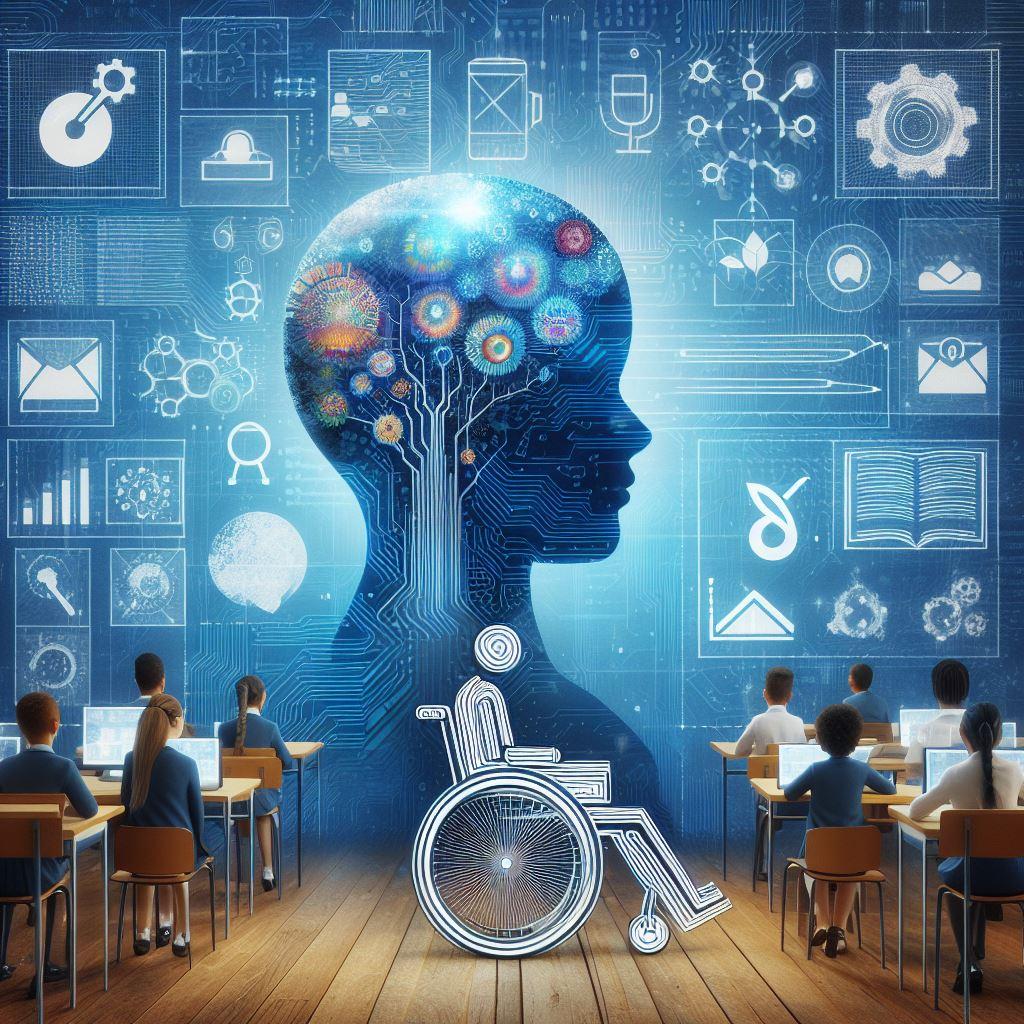
How AI Is Transforming Special Education: Bridging the Gap for Diverse Learners
The world of education is experiencing a transformative shift thanks to artificial intelligence (AI). Among the most important changes is the way AI is revolutionizing special education, providing new opportunities for students with diverse learning needs. From personalized teaching methods to data-driven insights and accessibility tools, AI is bridging the gap for learners who previously faced significant educational barriers. In this comprehensive guide, we delve into how AI is changing the face of special education, its benefits, practical applications, real-world examples, and tips for educators and institutions.
Understanding Special Education & the Challenges Faced
Special education encompasses instructional practices and resources tailored to meet the unique needs of learners with disabilities. Thes might include physical, cognitive, emotional, or sensory impairments. Traditionally, educators face multiple challenges:
- Limited access to specialized resources and expert teachers
- Difficulty accommodating diverse learning profiles within a single classroom
- Time constraints for personalized instruction
- Barriers to communication and social integration
As classrooms become more inclusive, the demand for effective, individualized support grows.This is where AI steps in, offering solutions that can radically improve outcomes for special education students.
How AI Is Transforming Special Education for Diverse Learners
AI in special education isn’t just a futuristic concept—it’s a working reality in many schools. Let’s uncover the core ways AI is bridging the learning gap for students with disabilities:
1. Personalized Learning Pathways
AI-driven platforms can analyze students’ unique strengths, weaknesses, and preferred learning styles to generate individualized lesson plans. For example:
- Bright tutoring Systems adapt to student responses, customizing the pace and difficulty of lessons.
- Adaptive Assessments identify gaps in knowledge, allowing teachers to target instruction.
- Gamified Learning Tools engage students with autism or ADD thru interactive and rewarding challenges.
This personalization helps students feel more confident, engaged, and capable.
2. Enhanced Accessibility and Communication
AI-powered solutions make learning resources more accessible than ever:
- Speech Recognition Software transcribes spoken words, benefiting students with hearing disabilities.
- Text-to-Speech and Voice Assistance support learners with reading difficulties, dyslexia, and visual impairments.
- Real-Time Translation tools break language barriers for students with Limited English Proficiency.
These tools foster inclusion and allow all students to participate meaningfully in classroom discussions.
3. Behavioral and Emotional Support
AI can monitor student behaviors, detect signs of anxiety, and recommend appropriate interventions. As an example:
- Emotion Recognition Software identifies distress or discomfort, especially for nonverbal learners.
- Virtual Counseling and Chatbots offer round-the-clock emotional support and guidance.
Early intervention reduces behavioral issues and nurtures emotional well-being.
4. Real-Time Analytics for Educators and Parents
AI arms teachers and parents with actionable insights:
- Progress Tracking Tools visualize academic growth and highlight areas needing attention.
- Automated Reporting frees educators from paperwork, letting them focus on direct teaching.
- Parental Dashboards keep families engaged in thier child’s educational journey.
Collaboration between parents, teachers, and specialists becomes seamless, leading to supportive learning ecosystems.
Key Benefits of AI in Special Education
- Inclusivity: AI makes customized support possible for a wide spectrum of learners, regardless of ability.
- Efficiency: Automates administrative tasks, saving educators valuable time.
- engagement: Interactive AI tools maintain student interest and motivation.
- Scalability: Solutions can be rolled out across schools, reaching more students.
- Data-Driven Decisions: Educators use AI insights to refine teaching methods and interventions.
Real-World Case studies: AI Making an Impact
Case Study 1: AI-Powered Reading Assistant in the US
A public school in New York implemented an AI-based reading assistant for students with dyslexia and reading delays. The system used speech recognition to provide instant feedback, helping students sound out words, improve pronunciation, and build confidence. Reading scores improved dramatically, and absenteeism due to frustration dropped by 30%.
Case Study 2: AI Chatbots for Emotional Support in Australia
An inclusive high school deployed AI chatbots trained in mental health support. Students with autism, ADHD, and anxiety disorders could chat anonymously with the bot, receiving coping strategies and emotional guidance. Teachers reported fewer behavioral outbursts and greater student engagement.
Case Study 3: Personalized Math Learning in India
A private learning center integrated an AI-powered math platform for students with learning disabilities. The system adapted to each student’s strengths,assigning interactive practice tasks and monitoring progress in real time. Over one semester, 87% of participating students exceeded their expected grade-level outcomes.
Firsthand Experiences: Voices from Educators, Parents, and Students
educator Insight
“AI tools help me differentiate instruction for my class of 30, which includes students with autism, dyslexia, and physical disabilities. I spend less time on paperwork and more energy coaching my students.the adaptive technologies ensure that nobody is left behind.” — Sarah L., Special Education Teacher
Parent Viewpoint
“My daughter has severe dyslexia. The AI reading platform at her school breaks down passages into manageable chunks and uses voice feedback. She’s no longer afraid to pick up a book, and her confidence has soared.” — Michael B., Parent
Student Experience
“The chatbot at school helped me talk about my anxiety. I feel heard without feeling embarrassed. It’s easier to ask for help when a computer listens without judging.” — Jasmine T., grade 9 Student
Practical Tips for Implementing AI in Special Education
Interested in integrating AI into your special education curriculum? Here are some actionable steps:
- Start with Pilot Programs: Test AI tools with a small group before school-wide deployment.
- Train Educators: Provide professional advancement to build confidence in using AI-powered platforms.
- Prioritize Data Privacy: Verify that solutions comply with student privacy regulations (like FERPA or GDPR).
- engage Families: Offer tutorials and information sessions for parents to understand the benefits and usage.
- Personalize Implementation: Choose AI tools tailored to school needs; avoid one-size-fits-all solutions.
- Monitor & Evaluate: Continuously assess the impact, seeking feedback from educators and learners.
Addressing Concerns & Ethical Considerations
While AI presents unprecedented opportunities,concerns about equity,data security,and human connection remain. Best practices include:
- Ensuring technologies do not replace but supplement human interaction
- Using obvious algorithms to avoid bias against students with disabilities
- Following strict data protection protocols to keep student information safe
Ongoing collaboration between tech developers, educators, and families ensures that AI serves all learners, ethically and effectively.
Conclusion: AI as a Catalyst for Inclusive Education
Artificial intelligence is reshaping special education by providing tailored support, accessible tools, and data-driven techniques.For diverse learners—whether facing reading challenges, behavioral issues, or physical disabilities—AI offers hope and practical solutions. by embracing technology, schools can create inclusive classrooms where every student thrives. The journey is ongoing, but with thoughtful implementation, regular evaluation, and strong partnerships, the future of special education has never looked brighter.
Are you ready to empower your students with the latest in AI-assisted education? Start small, invest in training, and watch as technology bridges the gap for your diverse learners.