
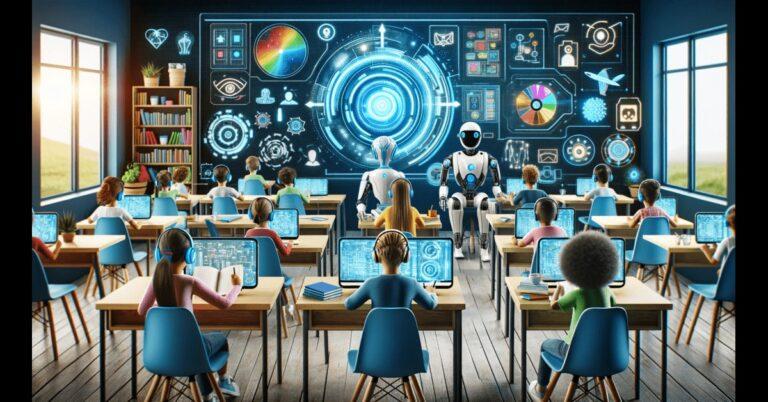
How AI Is Transforming Special Education: Bridging the Gap for Students with SEN
Artificial Intelligence (AI) is rapidly revolutionizing various industries,and education is no exception. For students with Special Educational Needs (SEN), traditional teaching methods often fall short in addressing diverse learning requirements. AI-driven tools and innovations now empower educators and learners alike, making special education more inclusive, personalized, and effective. In this comprehensive guide, we’ll explore how AI is transforming special education, bridging the gap for students with SEN, and reshaping the future of learning.
Understanding Special Education and SEN
Special Education refers to the customized instructional practices crafted to support learners with disabilities or learning challenges. Students with SEN may include those with autism spectrum disorders, ADHD, dyslexia, hearing or visual impairments, and other cognitive or physical disorders.
- Individualized Education Plans (IEPs): Tailored learning goals designed for each student.
- Accessible Technologies: Devices and apps that aid communication,reading,and writing.
- Specialist Support: Educators and therapists collaborating to provide holistic learning experiences.
Despite notable advancements,challenges persist in providing fully inclusive and effective education for students with SEN. This is where AI in special education is making an extraordinary impact.
how AI Is Reshaping Special education for SEN Learners
The integration of artificial intelligence in special education is opening up new possibilities for teaching and learning. here’s how AI is actively transforming the special education landscape:
1. Personalized Learning experiences
AI-powered platforms can analyze individual learning data, enabling tailored lesson plans, adaptive quizzes, and customized feedback. Whether it’s a student with dyslexia needing extra reading support or a learner with autism requiring sensory-pleasant materials, AI offers individualized solutions for diverse needs.
- Dynamic Lesson Adjustments: Real-time modifications based on student performance and engagement levels.
- Assistive Content Creation: Generating materials suitable for different cognitive abilities and sensory preferences.
- Continuous assessment: AI algorithms identify gaps, strengths, and progress to inform better IEPs.
2. Enhancing Communication and Accessibility
For students with speech or language difficulties, AI-driven speech recognition and communication aids can be game-changers.
- Speech-to-Text and Text-to-Speech: Facilitating easier interaction and comprehension.
- Augmentative and Option Communication (AAC): AI-powered devices help non-verbal students express themselves.
- Multilingual Support: AI enables translation of educational content, removing language barriers.
3. Behavioral and Emotional Support
AI systems can detect behavioral patterns and emotional states through facial recognition, voice tone analysis, and interaction monitoring.This data helps educators proactively address behavioral challenges and provide timely interventions.
- Real-Time Alerts: Prompting teachers when a student may need assistance.
- Automated data Tracking: Recording patterns to inform future support strategies.
- Social Skills Training: AI simulations offer safe spaces to practice communication and social interaction.
4. Accessibility in Digital Learning environments
AI enhances accessibility by providing text adjustments, visual aids, and interactive elements that comply with worldwide design for learning (UDL) principles.
- customizable User Interfaces: Adjusting font sizes, colors, and layouts for vision-impaired students.
- Audio Descriptions and Captions: Making multimedia content accessible for all.
- Smart Navigation: AI helps guide learners through complex digital resources effortlessly.
Benefits of AI in Special Education for SEN Students
- Individualization: AI customizes learning to each student’s unique pace and ability.
- Efficiency: Automates administrative tasks, freeing up time for focused teaching.
- Data-Driven Decision Making: Insights from AI analytics inform better teaching strategies.
- Greater Inclusion: Reduces barriers for students with disabilities, fostering a more equitable classroom.
- Enhanced Teacher Support: Offers resources, real-time feedback, and lesson planning assistance.
- Scalability: AI solutions can benefit large groups of students across different needs and geographies.
Case Studies: AI Success Stories in SEN Education
1. Cognii Virtual Learning Assistant
Cognii’s AI-powered tutor adapts to each student’s learning style, offering open-response tutoring—especially impactful for learners with reading and writing disabilities.Schools reported improved comprehension scores and more confident participation among SEN students.
2. SpeakSee for the Hearing Impaired
SpeakSee is an AI-powered device that transcribes speech in real time, enabling hearing-impaired students to follow classroom conversations seamlessly. The technology boosted classroom engagement and empowerment in inclusive environments.
3.AI in Autism Support: The QTrobot
QTrobot utilizes AI facial recognition and body language analysis to help children with autism learn social cues. Educators shared notable improvements in emotion recognition and social interaction skills.
Practical Tips: Integrating AI in Special Education Classrooms
- Start Small: Begin with one or two AI tools that align with specific student needs.
- Involve Families: Communicate benefits and usage of AI technologies with parents and guardians for continuity between home and school.
- Train Educators: Regular professional development ensures teachers can leverage AI effectively.
- Monitor Impact: Use AI’s analytics to track student progress and adjust strategies accordingly.
- Prioritize Accessibility: Choose tools compliant with WCAG and UDL standards.
- Foster Ethical Use: Safeguard student data privacy with transparent policies.
Firsthand Experience: Voices from the Classroom
“when we introduced AI-based reading apps, our dyslexic students made remarkable strides. The personalization allowed teachers to focus time where it was needed most. I’ve seen frustrated students transform into confident learners with the help of technology.”
— Sarah Jacobs, SEN Coordinator, london
“as a parent of a non-verbal child, AI-powered speech devices gave my daughter a new way to communicate. The difference in her emotional wellbeing and social life has been night and day.”
— Emma li, parent Advocate, Manchester
Challenges and considerations for AI in SEN Education
While AI’s benefits are compelling, careful consideration is essential:
- Data Privacy: Ensure robust data protection, especially for vulnerable groups.
- Technology Access: Address the digital divide to guarantee equal opportunities.
- Bias in Algorithms: Ongoing evaluation is needed to avoid reinforcing biases.
- Human Oversight: AI should support, not replace, the essential role of educators and therapists.
Educators should view AI as a collaborative tool rather than a standalone solution.
Future Outlook: The Continued Evolution of AI in special Education
The potential for AI in SEN education is enormous. Emerging technologies will continue to offer more intuitive and responsive solutions. Expect virtual reality for immersive skill building, advanced predictive analytics to anticipate learning barriers, and even more robust accessibility features in everyday classroom tools.
- Collaborative Learning: AI-powered platforms to strengthen peer interaction for SEN students.
- Holistic Progress Monitoring: Integrating academic, behavioral, and emotional data for personalized support.
- Global Inclusion: AI making high-quality special education available worldwide, irrespective of resources.
Conclusion: AI Is Bridging the Gap for SEN Learners
Artificial intelligence is a catalyst for change in special education, delivering real benefits for both students and educators.From personalized learning to accessible communication, AI is bridging gaps that once seemed insurmountable. By embracing innovation and maintaining careful oversight, we can ensure that students with special educational needs receive the inclusive, effective education they deserve.
as schools, families, and technology partners work together, the future of AI in SEN classrooms promises greater understanding, opportunity, and confidence for every learner.