
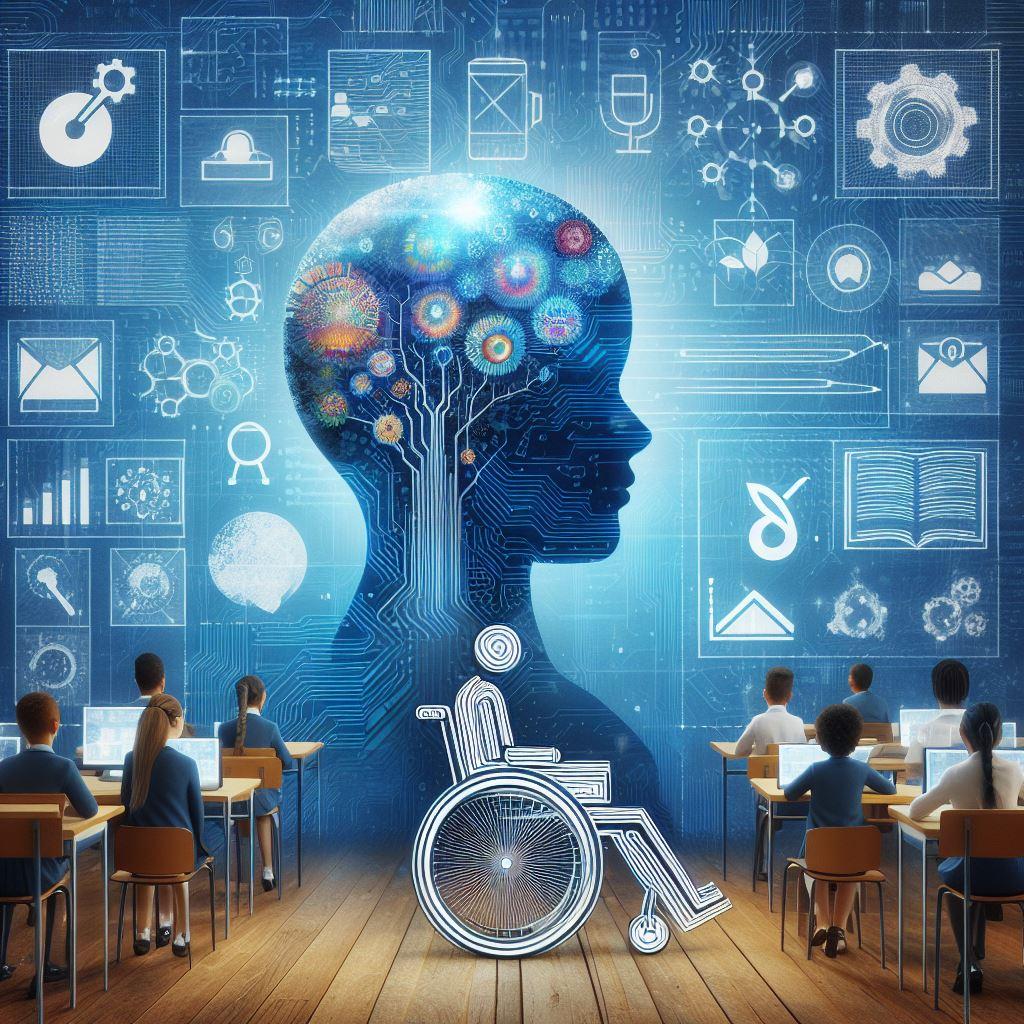
How AI is Transforming Special Education: Bridging the Gap for Students with Special Needs
In recent years, Artificial Intelligence (AI) has been revolutionizing various aspects of our lives, and education is no exception. One of the most profound impacts of AI is seen in special education, where it is indeed helping to bridge gaps and create opportunities for students with special needs. By offering personalized learning experiences, accessible materials, and new avenues for engagement, AI is transforming special education and making inclusive learning a reality.
The Current landscape of Special Education
Special education encompasses a wide range of services aimed at supporting students with diverse learning abilities, including those with physical, cognitive, sensory, and emotional challenges. Traditionally, special education teachers have faced significant obstacles in delivering individualized instruction, adapting materials, and tracking student progress. Limited resources and time constraints frequently enough result in a one-size-fits-all approach, which may not adequately address the unique needs of every student.
How AI is Shaping the Future of Special Education
The integration of AI in special education is creating new pathways for personalized, engaging, and accessible learning. Here’s how AI is making a difference:
- Personalized Learning: AI-powered platforms can assess individual student strengths and weaknesses, adapting lessons and materials in real-time to suit their needs.
- Assistive Technology: AI-driven tools like speech-to-text, text-to-speech, predictive text, and real-time language translation make learning accessible for students with physical or sensory impairments.
- Behavioral and Emotional Support: AI systems can monitor student engagement and mood, offering insights and interventions when students encounter difficulties or emotional distress.
- Automated Assessment and Feedback: AI can analyze student responses and provide instant, actionable feedback, enabling timely support and increased independence.
- Enhanced Interaction: For non-verbal students or those with communication disorders, AI-enabled communication devices allow for greater expression and participation.
key benefits of AI in Special Education
The use of AI technology in special education brings myriad benefits to students,educators,and parents alike. Some of the most significant advantages include:
1. Personalized Instruction at Scale
AI enables teachers to deliver tailored instruction based on each student’s learning profile. For exmaple,an AI-driven platform might suggest visual learning materials for a student with dyslexia,or offer auditory prompts for a child with visual impairments.
2. Real-Time Progress Monitoring
Teachers can track student progress instantly, adjusting teaching strategies and interventions as needed. This proactive approach leads to better academic outcomes and reduces frustration for both students and educators.
3. Greater Independence
Many AI tools are designed to foster autonomy. For instance,students with mobility impairments can use voice-activated assistants to navigate lessons or complete assignments independently.
4. Improved Collaboration and Communication
AI devices can break down communication barriers, allowing students to interact with their peers and instructors more effectively.
real-World Examples and case Studies
Success Story: AI-Assisted Communication Devices
Consider the case of Sarah, a non-verbal student with autism.With the help of an AI-powered Augmentative and Choice Communication (AAC) device, Sarah can select images on a screen, which the device then vocalizes for her. This technology has given her a voice, improved her engagement, and fostered greater independence in academic and social settings.
AI in Action: Learning Platforms
Platforms like Microsoft’s Immersive Reader and Google’s Read&Write use AI to assist students with dyslexia,ADHD,and other learning disabilities. By offering features like text-to-speech, grammar insights, and visual simplification, these tools ensure details is accessible to everyone.
Data-Driven Instruction at XYZ School (Case Study)
At XYZ School, educators incorporated AI-based analytics to monitor students’ reading progress. The AI system identified patterns and provided actionable insights, enabling teachers to tailor mini-lessons and interventions more effectively, which led to substantial improvements in literacy rates among students with learning disabilities.
Challenges and Considerations
Despite its transformative potential, implementing AI in special education presents several challenges:
- Data Privacy: protecting sensitive student information is vital. Schools must ensure that AI systems comply with regulations like FERPA and GDPR.
- Equity of Access: Not all schools or families have equal access to AI tools and high-speed internet, leading to potential disparities.
- Teacher Training: Educators need ongoing professional development to effectively integrate AI tools in their classrooms.
- Bias in AI Algorithms: Careful monitoring is needed to ensure that AI does not reinforce existing prejudices or overlook unique student needs.
Practical Tips for Leveraging AI in Special Education
- Start Small: Begin by integrating one or two AI tools, such as text-to-speech extensions or communication apps, into your classroom routine.
- Seek Professional Development: Attend webinars, workshops, or online courses focused on AI in education and special needs.
- Engage Families: Educate families about how AI can support learning at home and encourage usage outside of school hours.
- Monitor Effectiveness: Regularly assess the impact of AI tools and solicit student feedback to make improvements.
- Work with Experts: Collaborate with special education specialists and technologists to identify the most effective solutions tailored to specific student needs.
The Future of AI and Special Education
As AI technologies continue to evolve,the opportunities for special education are boundless. Emerging applications such as emotion recognition, adaptive gamification, and virtual reality will further enrich the learning experience for students with special needs. The future promises smarter, more intuitive AI systems that can anticipate and respond to each learner’s unique educational journey.
Conclusion
Artificial Intelligence is opening doors for students with special needs, empowering them to learn, communicate, and succeed in ways never before possible. by embracing AI-powered solutions, educators and families can create more inclusive, engaging, and effective educational experiences. The journey has just begun, and with careful implementation, ethical considerations, and a focus on individual needs, AI will continue to shape a brighter future for special education.
Interested in learning more about the latest in AI and special education? Subscribe to our newsletter or explore our resources to stay up to date with technology trends supporting learners with special needs.