
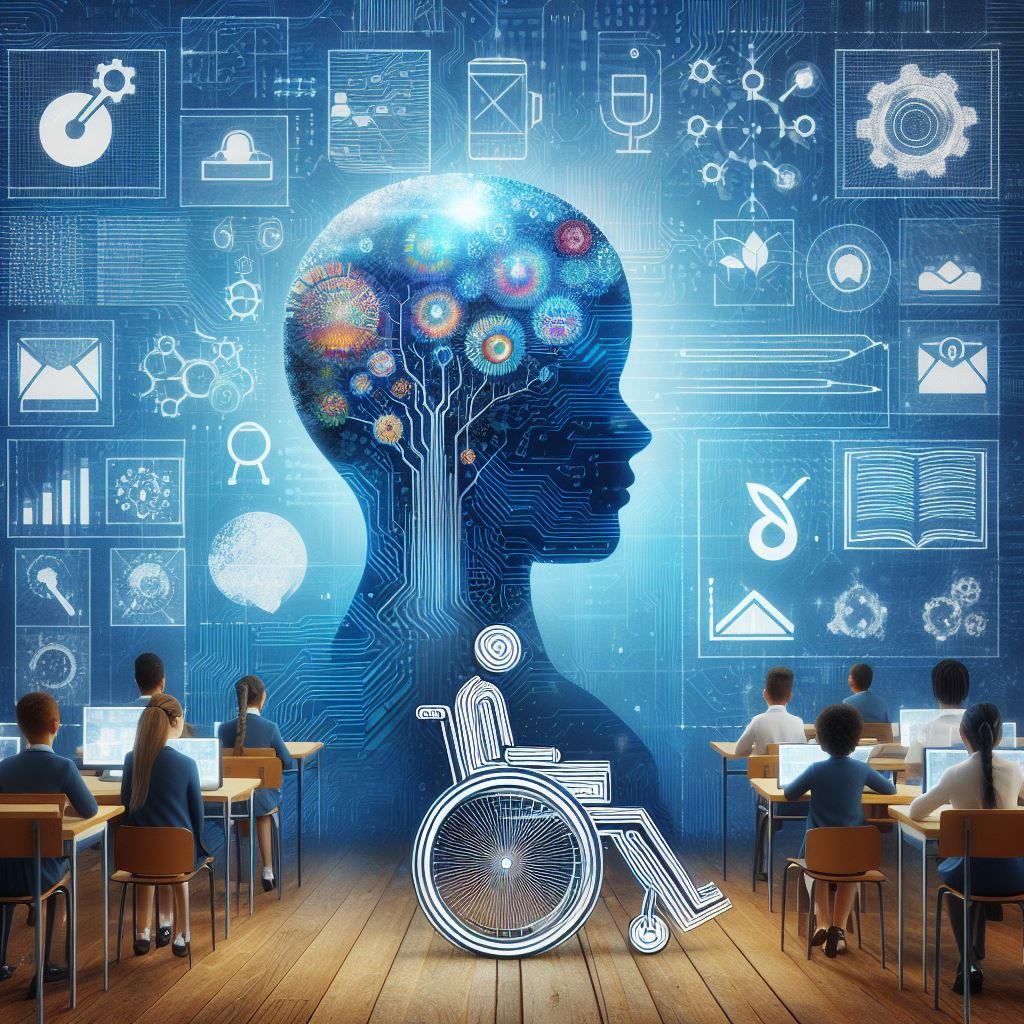
How AI Is Transforming Support for Special Education Needs: Bridging the Gap for Inclusive Learning
Keywords: AI in special education, inclusive learning, assistive technology, personalized learning, special education needs, EdTech, AI-powered tools, bridging the education gap
Introduction: Embracing the Power of AI for Inclusive Education
The landscape of education is evolving rapidly, driven by technological advances that promise to level the playing field for all learners.Among these innovations, Artificial Intelligence (AI) stands out as a game-changer for supporting special education needs. By harnessing AI-powered tools, schools and educators are bridging the gap for inclusive learning, creating environments were every student—irrespective of their abilities—can thrive. In this complete guide, we’ll explore how AI is revolutionizing special education, its benefits, practical applications, real-world case studies, and tips for educators, parents, and policymakers.
Understanding Special education Needs and inclusion
Special education encompasses a diverse set of learning differences, including developmental, physical, emotional, and intellectual disabilities. inclusive learning aims to ensure that students with special education needs (SEN) learn alongside their peers, benefitting from a supportive, adaptive, and equitable learning habitat. Yet, achieving truly inclusive education has historically faced challenges—limited resources, insufficient individualized support, and gaps in teacher training. AI-driven technologies are now offering new solutions that overcome these obstacles.
Key Ways AI Is Shaping the Future of Special Education
- Personalized Learning Plans: AI analyzes student data to create customized lesson plans that cater to individual learning needs and preferences.
- Assistive Technology Enhancements: AI empowers interaction devices, text-to-speech software, and screen readers to better support students with physical and learning disabilities.
- Real-Time adaptation: AI-powered systems respond instantly to student interactions, adjusting difficulty levels and providing timely feedback.
- Automated Assessments: AI tools streamline progress tracking, enabling educators to monitor student growth and adjust strategies accordingly.
- Teacher support: By reducing administrative burdens, AI frees up educators to focus on teaching, collaboration, and relationship building with students.
Benefits of AI in Supporting Special Education Needs
1. Individualized Approach for Diverse Learners
AI enables personalized learning experiences by identifying each student’s strengths, weaknesses, and preferred learning styles.
- Students receive targeted interventions.
- Pacing and curriculum can be dynamically adjusted in real-time.
- greater engagement and retention for students with SEN.
2. Enhanced Accessibility and Communication
Assistive technologies powered by AI break down barriers for students with physical and communication challenges:
- Advanced speech recognition for children with speech impediments.
- Image-to-text and real-time translator tools for visually or hearing-impaired learners.
- interactive voice response (IVR) for easier navigation of digital resources.
3. Data-Driven Decision Making
AI collects and interprets learning data, giving educators actionable insights:
- Progress monitoring is automated and precise.
- early identification of learning difficulties enables timely intervention.
- Data dashboards help parents, teachers, and support staff collaborate effectively.
4. Empowering Teachers and Support Staff
AI tools automate routine tasks such as grading, scheduling, and resource allocation, allowing teachers more time for planning and engagement:
- Reduced paperwork and administrative load.
- Professional development through AI-powered platforms.
- Insights and recommendations to personalize instruction for diverse classrooms.
Case studies: AI in Action for Inclusive Learning
case Study 1: AI-powered Speech Therapy
Several schools have implemented AI-driven speech therapy applications, enabling students with speech and language challenges to practice their skills independently. These platforms use machine learning algorithms to recognize pronunciation errors, offer corrective feedback, and gamify the learning process—motivation skyrockets and progress becomes measurable.
Case Study 2: Text-to-Speech for Dyslexia Support
A primary school in Los Angeles adopted an AI-based reading tool for students with dyslexia. The tool automatically converts classroom materials into spoken audio, adjusting speed and tone for each user. Teachers report noticeable improvements in reading comprehension and confidence for these students.
Case Study 3: Customized Learning Pathways in Inclusive Classrooms
A UK secondary school leverages AI to generate individualized learning pathways for students with varying cognitive abilities. the system assesses past performance,learning preferences,and emotional states—then crafts assignments and resources suited to each learner’s unique needs. This dynamic adaptation ensures that no student is left behind,creating a truly inclusive classroom environment.
Practical Tips to Maximize AI Support in Special Education
- Embrace Collaboration: Involve IT specialists, special educators, parents, and students when selecting AI solutions to ensure relevance and accessibility.
- Prioritize Privacy & Security: Assess data privacy compliance of AI-powered platforms in line with laws like FERPA and GDPR.
- Select Scalable Tools: Choose flexible AI tools that can adapt as student needs evolve and technology improves.
- Invest in Professional Development: Train teachers and support staff in using AI tools effectively for diverse classroom needs.
- Encourage Student Agency: Introduce AI-driven assistive technologies gradually, empowering students to take an active role in their learning.
Frist-Hand Experiences: Educators and Students Speak Out
Ms. Sarah Johnston, Special Education Teacher:
“Our AI-assisted reading app has given my dyslexic students new confidence. Rather than feeling isolated, they’re participating more in class discussions.”
Tom, Parent of a Student with Autism:
“The personalized learning dashboard helps us track Tom’s progress and communicate better with his teachers. It feels like we finally have a roadmap tailored just for him.”
Maria, Middle School Student:
“The AI tutor doesn’t mind when I take longer to answer. It makes learning feel safe and fun.”
Challenges and Future Opportunities
while AI in special education brings tremendous advantages, several challenges remain:
- Equitable Access: Not all schools have the funding or infrastructure to implement AI solutions.
- Ethical Concerns: Ensuring unbiased algorithms and safeguarding sensitive student data is paramount.
- Teacher Training: Professional development and ongoing support remain critical to the successful adoption of AI tools in inclusive learning.
On the horizon, continued advancements in machine learning, natural language processing, and adaptive technologies promise greater personalization and accessibility for all learners.
Conclusion: AI as a Catalyst for Inclusive Education
As we look to the future, AI-powered support for special education needs is a cornerstone for building truly inclusive learning environments.By understanding diverse learner profiles, adapting resources in real-time, and empowering teachers and students alike, AI is bridging the gap between challenge and prospect.Whether you’re an educator, school leader, parent, or policymaker, embracing AI’s potential can definitely help ensure that every child receives the support and enrichment they deserve. The journey towards inclusive learning starts now—and with AI, every student can cross that bridge to success.
Further Reading & Resources
- How Schools Are Using AI to Support students with Disabilities – Education Week
- AI and Special Education: What Educators Need to Know
- Inclusive Education Resources
Are you interested in implementing AI-powered solutions in your classroom or school? Share your experiences and ideas in the comments below!